

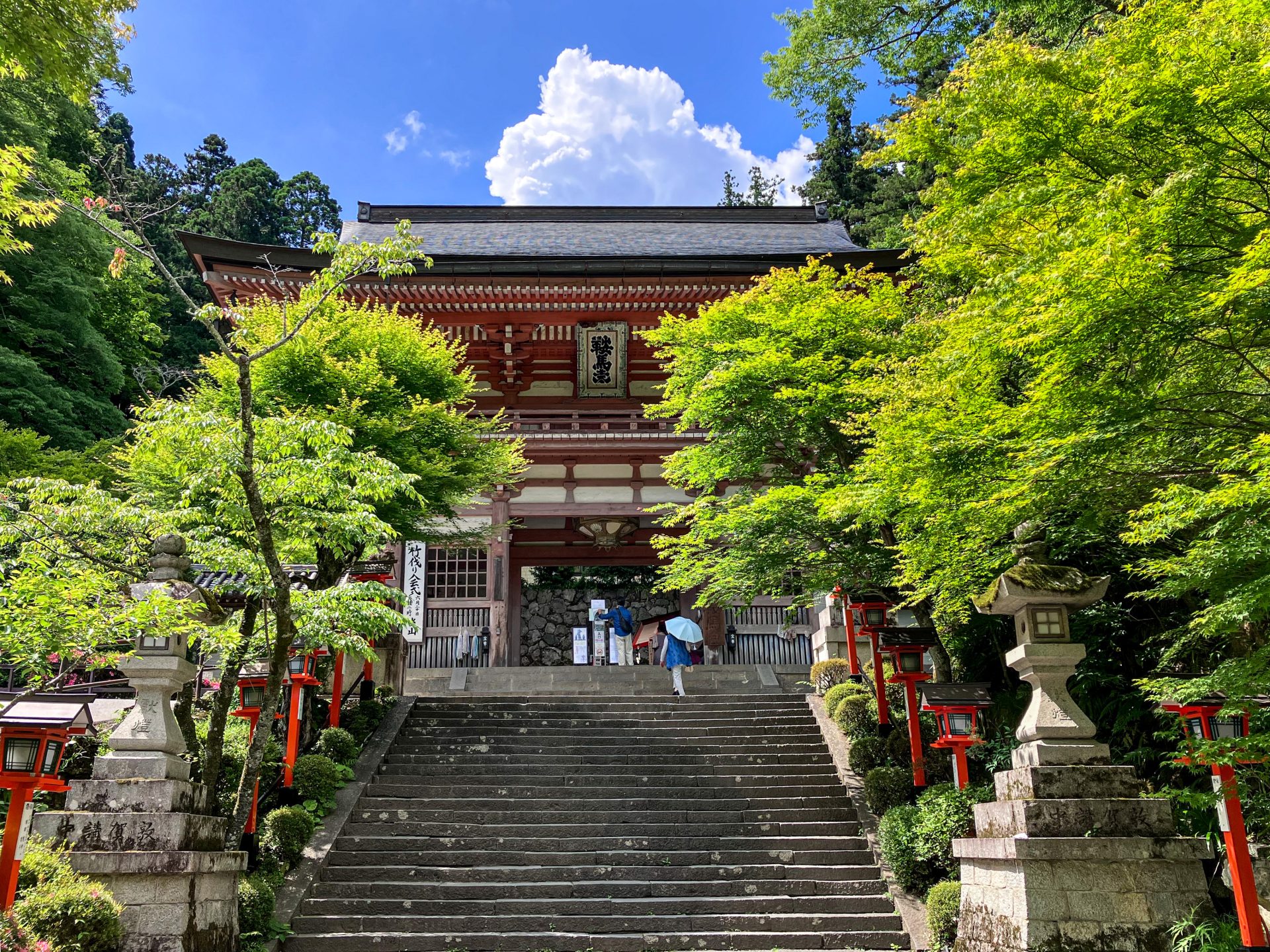
Kuramadera Temple, where Ushiwakamaru is said to have practiced asceticism.
There are numerous sights and legends, and it is one of the most popular power spots in Kyoto.
Therefore, we would like to introduce the history, highlights, and tengu legends of Kuramadera Temple in Kyoto.
Table of Contents
■What is Kurama in the first place?
What is Kuramadera Temple?
■The legend of Kuramadera's Tengu?
■ Kuramadera Temple Highlights!
■ Summary
■What is Kurama in the first place?
Kurama is located in the northern part of Kyoto City, Kyoto Prefecture.
The air will change drastically if you transfer from Demachiyanagi Station on the Keihan Main Line to the Eizan Railway and arrive at Kurama Station.
The town of Kuramadera, with its 1,200 year-old history, forms the center of the town, and is very popular as a power spot in Kyoto.
Visitors can enjoy cherry blossoms in the spring and autumn leaves in the fall, and many people come from far away to seek the healing and mystical power of nature.
What is Kuramadera Temple?
Kuramadera is the head temple of Kurama Kokyo.
The temple was founded in 770, the first year of the Hogei Era, when Ganjin Wajo's disciple, Ganjeishonin enshrined Bishamonten (Bishamonten).
In 796, the temple was built and became a dojo for the protection of the Great Castle.
It is also famous as a power spot with cosmic powers, as legend has it that a god descended from Venus 6.5 million years ago.
Many tourists visit the shrine every year because of the relics of Akiko Yosano, the setting of the Wakamurasaki volume of The Tale of Genji, and the legend that Ushiwakamaru trained with a tengu.
■The legend of Kuramadera's Tengu?
Kuramadera Temple is known for its tengu legend!
It is said that "Ushiwakamaru," later known as Minamoto no Yoshitsune, met a Yamabushi at Kuramadera Temple and trained in martial arts and other arts.
Legend has it that this Yamabushi was the Great Tengu, and in honor of this legend, you can draw a "Tengu Omikuji" at the Yuki Shrine.
■ Kuramadera Temple Highlights!
So what are some of the highlights of Kuramadera?
Let's look at them one at a time.
Fat main hall, gold hall
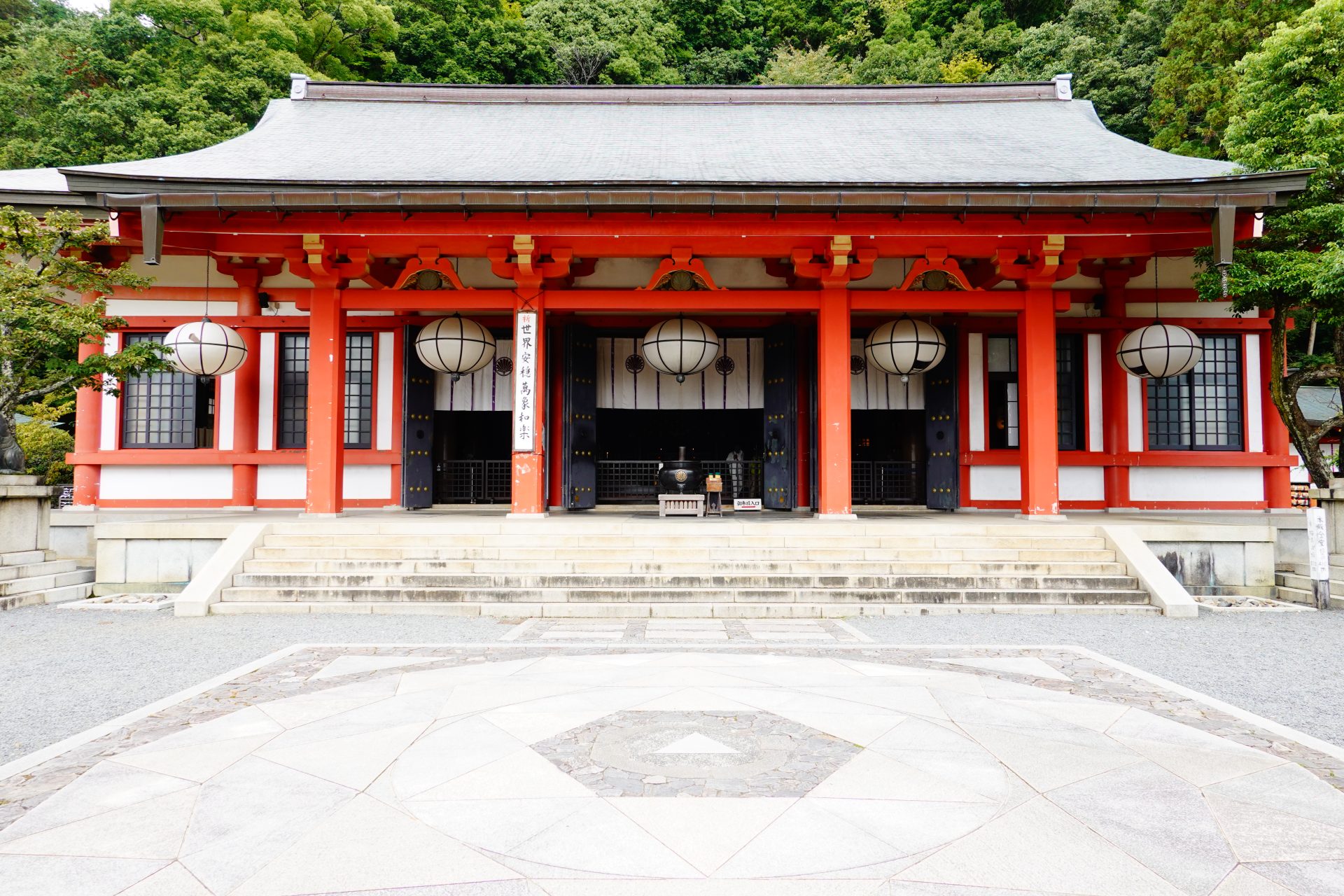
Within the main Kondo hall of Kuramadera Temple, there are statues of Senju Kannon Bosatsu, Bishamonten (Bishamonten), and Wabo Maouzonzon (Wabo Maouzon).
This trinity of the main deity of Kuramadera Temple has become the talk of the town for its ability to receive the energy of the universe.
Since the principal image is a hidden Buddha, it is opened once every 60 years in the year of C. Tora.
If you stand in the center of the Vajrayana floor with your hands outstretched and pray while looking up to the sky, you may feel the energy as one with the universe.
Also, in front of the main shrine, there is a "A-Un Tiger" instead of a guardian dog.
It is said to be a divine beast, a messenger of Bishamonten, and has cosmic power because its syllables end in "a" to "n".
We would like to see this as well.
Fat Yugi Shrine
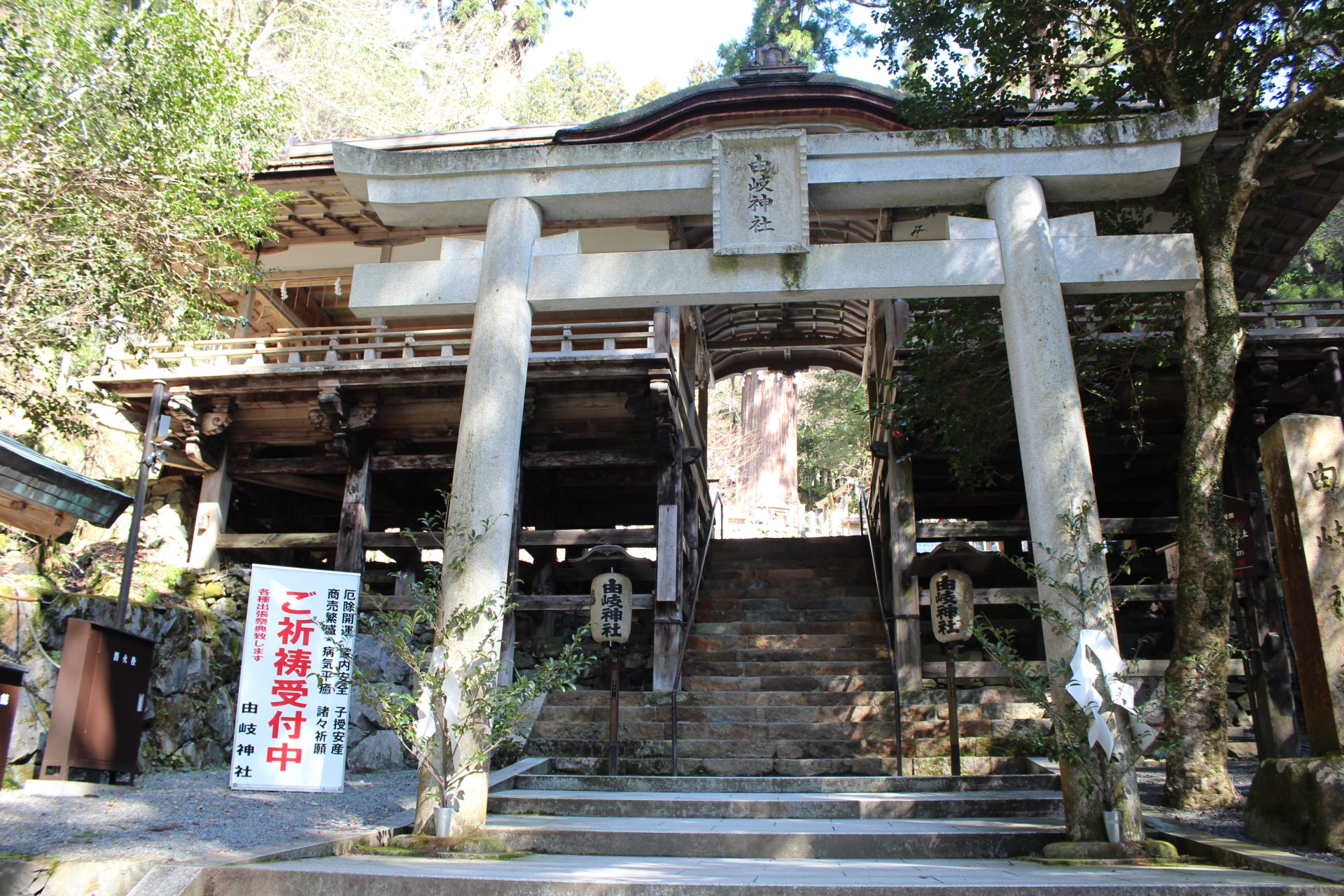
If you walk along the 99-fold approach without using the cable from Kurama Station, you will find Yuki-jinja Shrine about a 10-minute walk away.
Originally enshrined in the Kyoto Imperial Palace, the shrine was moved to Kurama due to warfare and earthquakes.
The "Kurama Fire Festival" is held every October and is famous as one of the three most bizarre festivals in Kyoto.
It is said to be named after an ancient event in which villagers built a bonfire to welcome Yukimyojin when he was invited to the shrine.
Yuki-jinja Shrine is famous for its blessings for prosperous business and for matchmaking.
Passing through the torii gate is an 800-year-old giant cedar, 53 meters high.
It is designated as a natural monument by Kyoto City and is popularly known as Mr. Osugi.
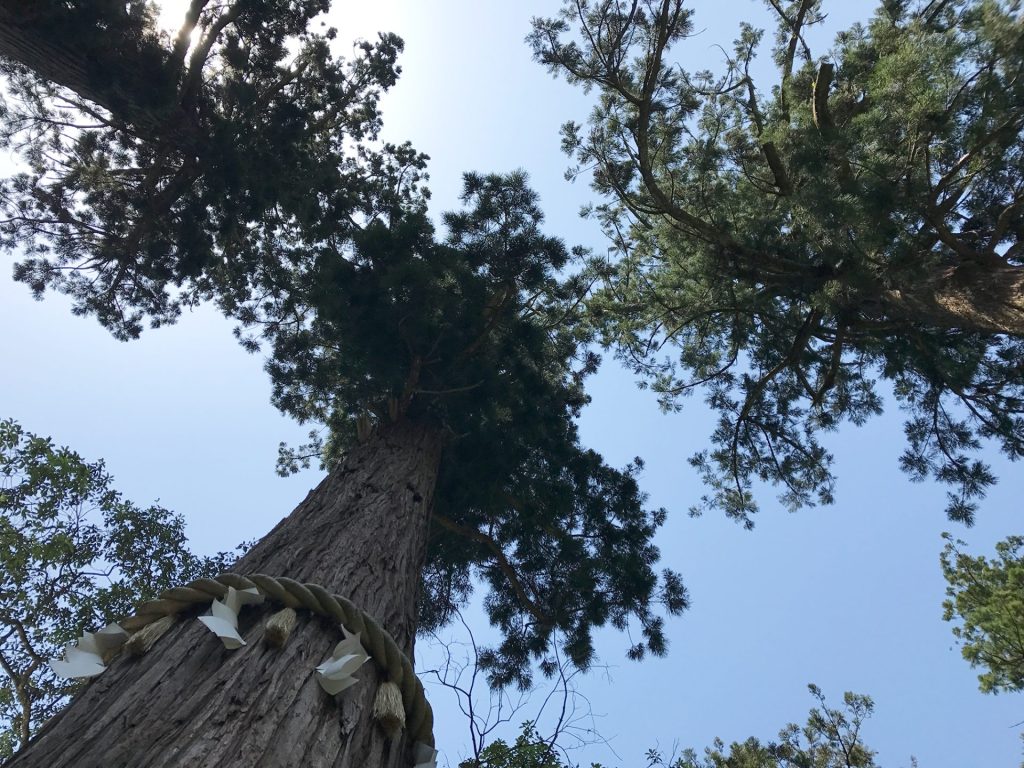
It is also a popular power spot where you can make a wish and have it come true.
Fat inner San'in road, Demon King's Hall
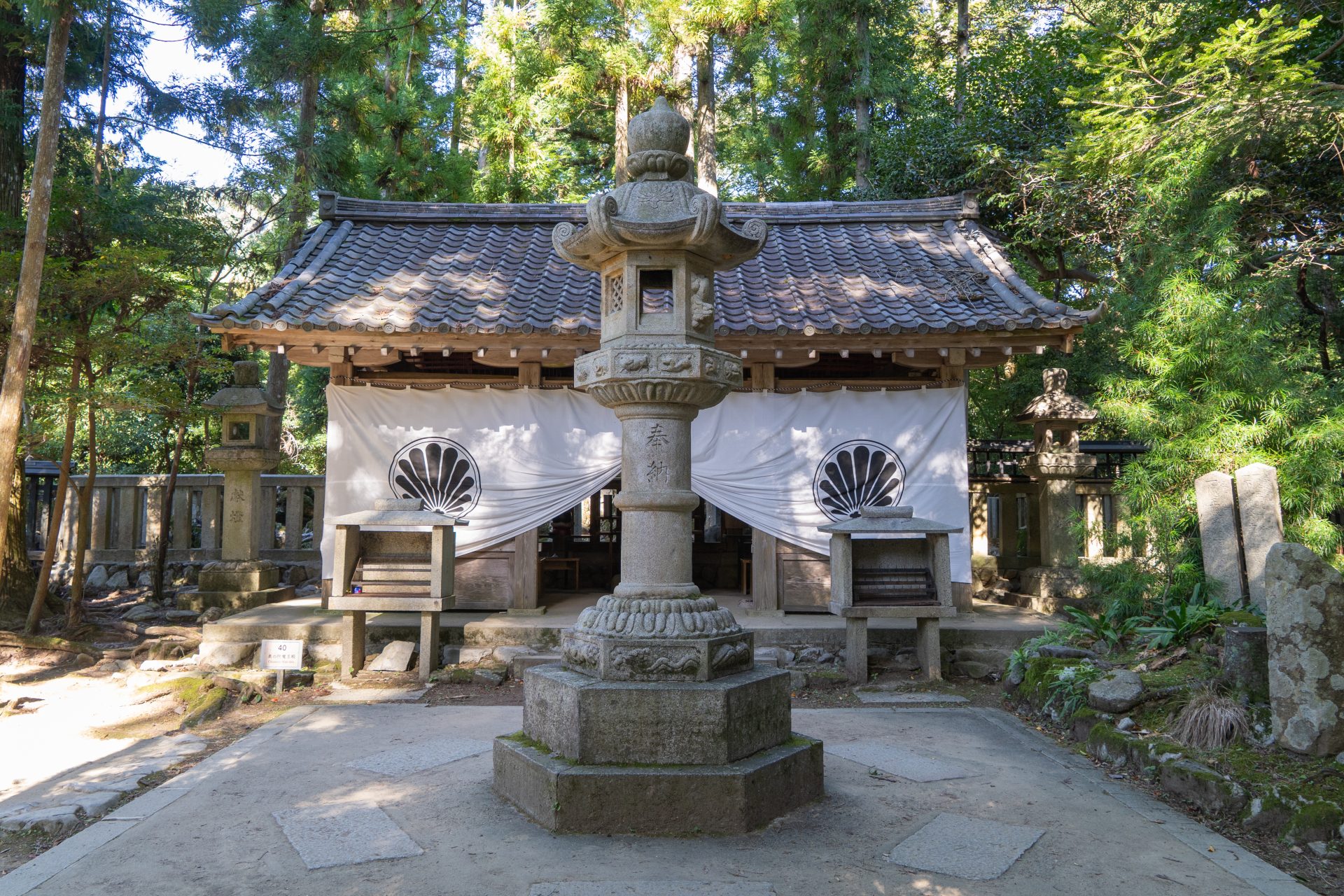
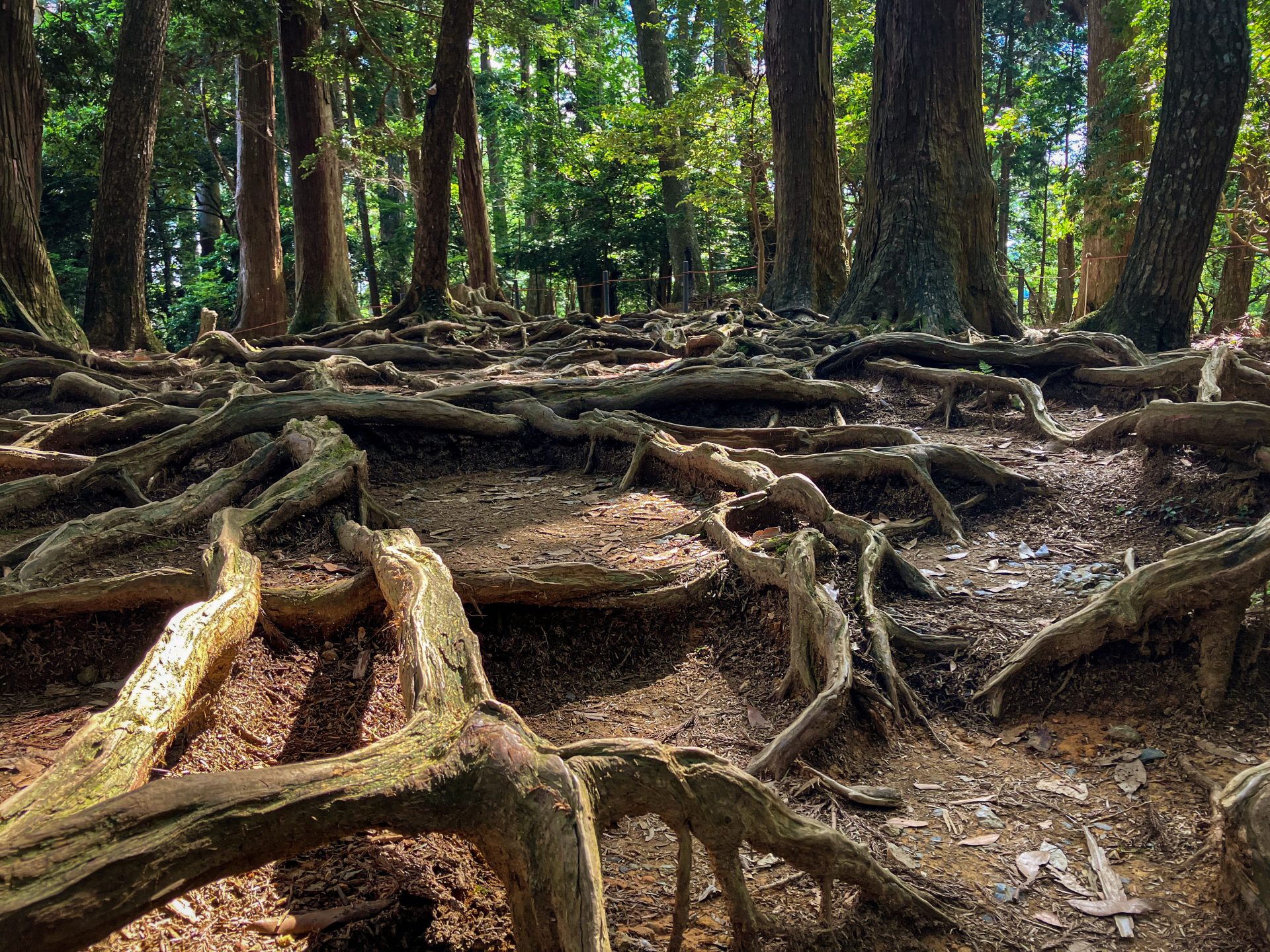
The "Oku no San'in-do" where Ushiwakamaru is said to have learned swordsmanship from a Yamabushi.
This is the mountain path leading up to the Maou-den, and its highlights include the "back comparison stone" where Ushiwakamaru is said to have compared his backs, and the "tree root path" where many roots are exposed on the surface of the ground and where he is said to have practiced his military training.
In front of the Maou-den Hall, there is also the Gikeido Hall, where the soul of Yoshitsune, who died an ignominious death, is enshrined.
■ Summary
How was it?
In this issue, we have introduced the history and highlights of Kuramadera Temple in Kyoto.
Please be sure to visit the San'in Road in the back, where Ushiwakamaru is said to have trained, and other places with comfortable walking shoes.
Facility Name:Mt. Kurama Kurama Temple
HP:https://www.kuramadera.or.jp/
Address: 1074 Kurama Honmachi, Sakyo-ku, Kyoto-shi, Kyoto
Access: Kyoto Bus bound for Kurama Onsen from Kokusai-Kaikan Station on the Subway Karasuma Line.


