

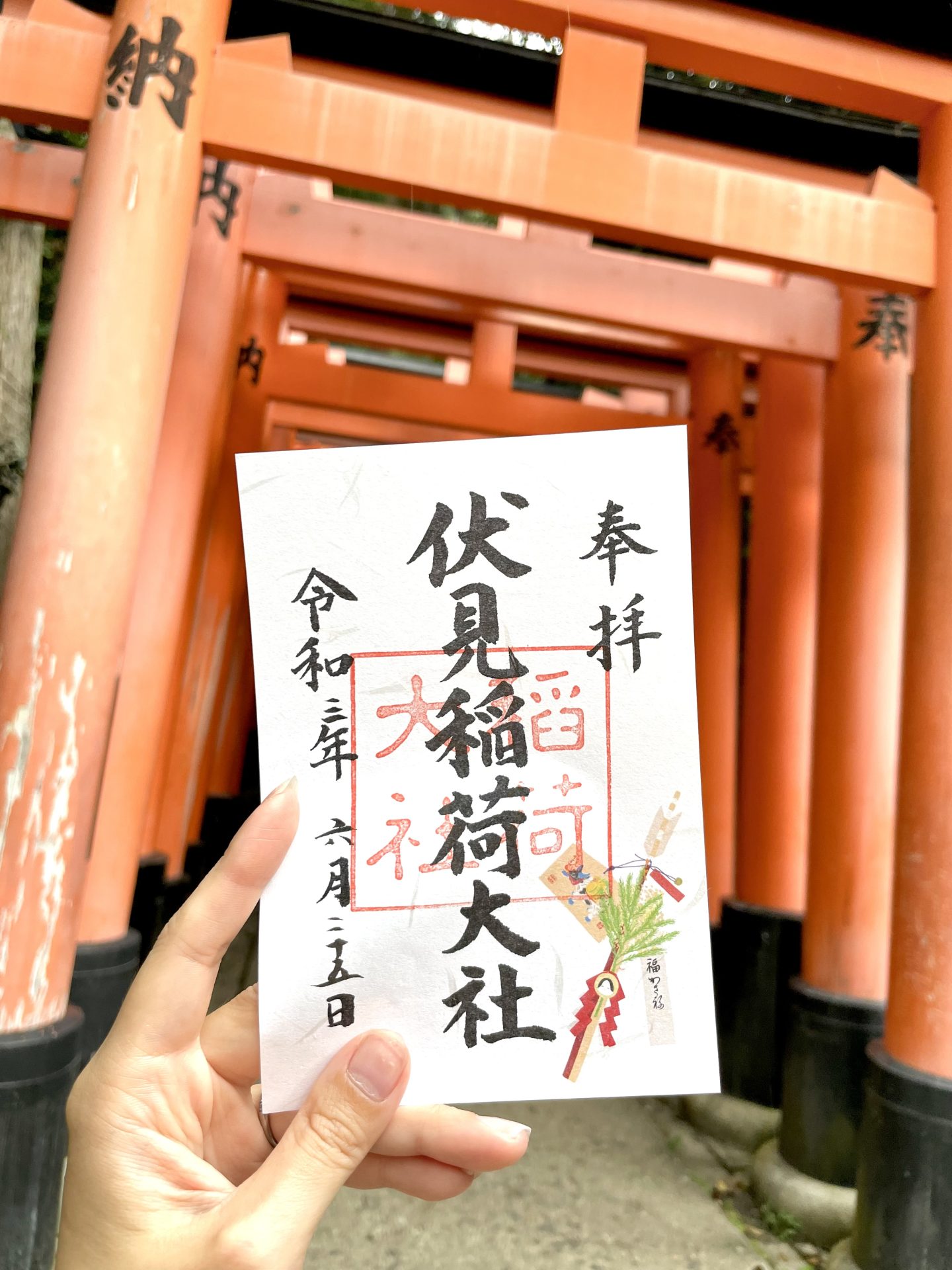
A "red seal" is a symbol that you have visited a shrine in Kyoto.
I am sure that many people visit shrines for these red seals and original red seal books.
So, when making a red seal tour in Kyoto
What are manners?
What is the market price?
There are some things you may not understand if it is your first time, such as
Therefore, we would like to introduce the manners and market prices when making a red seal tour in Kyoto.
■What is a red seal anyway?

What is a red seal?
Originally, a red seal was a seal that could be obtained at temples and shrines. It is a symbol of your visit to a temple or shrine, and is meant to be a record of your relationship with the gods and Buddha. Goshuin includes the following
Seals and impressions
Names of shrines and temples
Date of visit
and others are written in black ink.
Generally, a red seal book is required to receive a red seal. Some shrines and temples have their own original red seal book, which you must purchase before receiving a red seal.
Manners for receiving red seals in Kyoto
Here is a summary of the etiquette for receiving red seals that you should know before visiting the temple.
Flow and timing of receiving a red seal after visiting a shrine
Since red seals are given as proof of visit to a shrine, it is good manners to pay a visit to the shrine first and then receive a red seal. Once you have paid your respects, ask at the red seal office to have a red seal conferred upon you during a set time period. Of course, it is bad manners to make unreasonable requests after hours, so please be careful. Do not take pictures while the red seal is being written, and wait quietly with your red seal fee ready.
○How to ask the amount of red seal
Red seal fees vary from shrine to shrine and temple to temple, so it is basic that you check the website or other information before visiting a shrine or temple. However, there may be cases where you are not sure of the red seal fee, or it may have been changed. In such cases, please contact
How much should I pay for the red seal?
How much do you charge?
Ask such questions as.
○Pay the red seal fee with as little change as possible.
To avoid unnecessary hassle, please make sure you have enough change to pay for the red seal. Some small shrines and temples may not have change for change, so it is ideal to break the change into 100-yen coins in advance by using bills at convenience stores or on the subway.
○ Handle the red seal book with care.
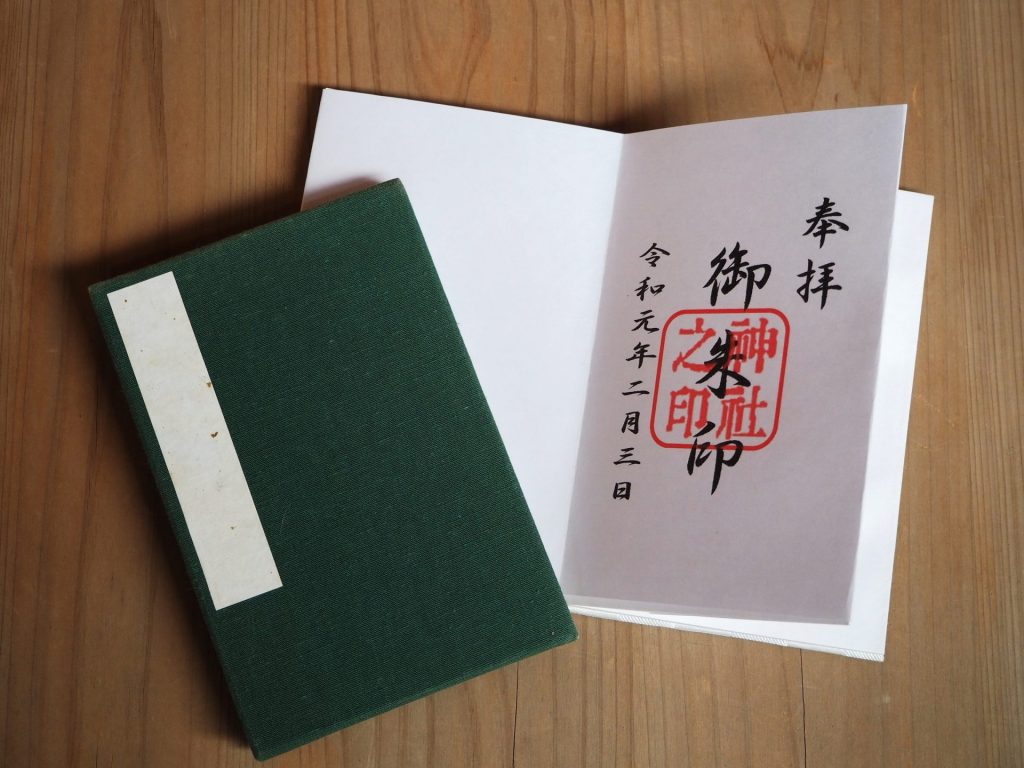
A red seal is a record of your relationship with the gods and Buddha. Please do not treat it simply as a stamp that you receive when you visit a shrine, but treat it with care, as it is a record of your relationship with the Goddess of Mercy.
■Quotes for visiting red seals in Kyoto
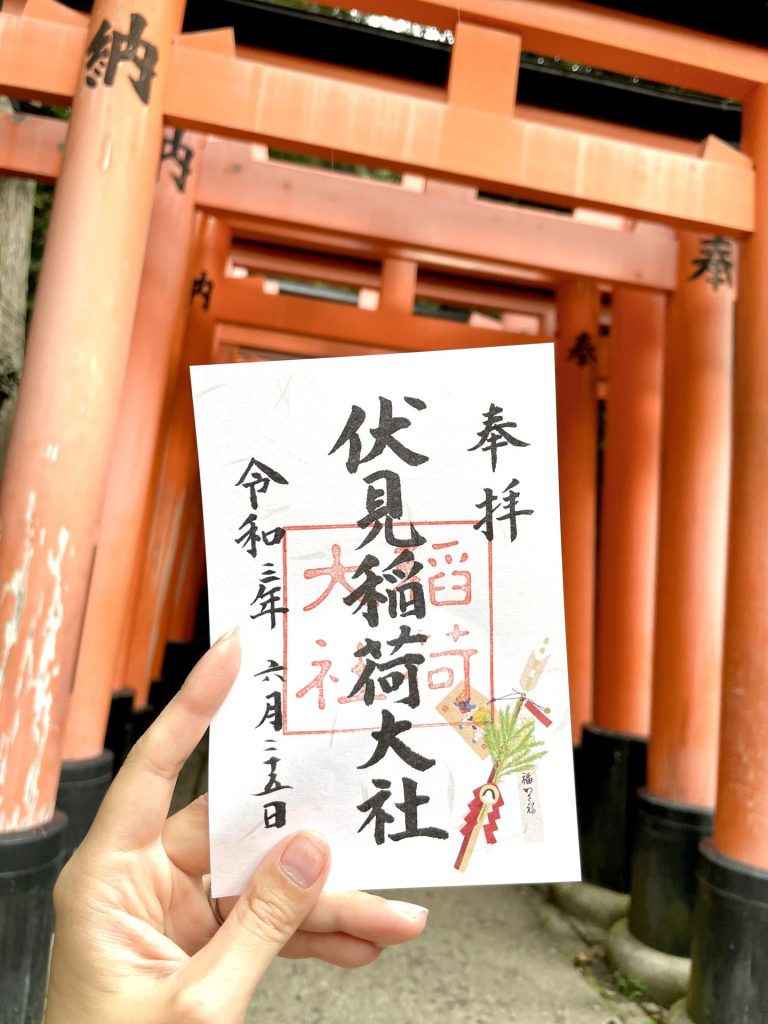
Here are the prices for red seals, red seal books, and red seal bags.
○ Red seal market price
A red seal is generally about 300-500 yen. However, depending on the design and other factors, the price may range from 500 to 1,000 yen. Some shrines and temples also indicate "omochi" (a feeling of gratitude), but in this case, any amount is acceptable. If you are not sure how much to pay, you should consider the market price of 300 to 500 yen.
○Know the fee for the visit.
Some temples in Kyoto require an entrance fee. The fee is required to enter the temple grounds before going to the red seal station, so be prepared to pay it separately from the red seal fee. Some temples are free of charge, but some temples charge a fee only during the fall foliage season or during special periods when the temple is illuminated, so be sure to check in advance.
○ Red seal book market price
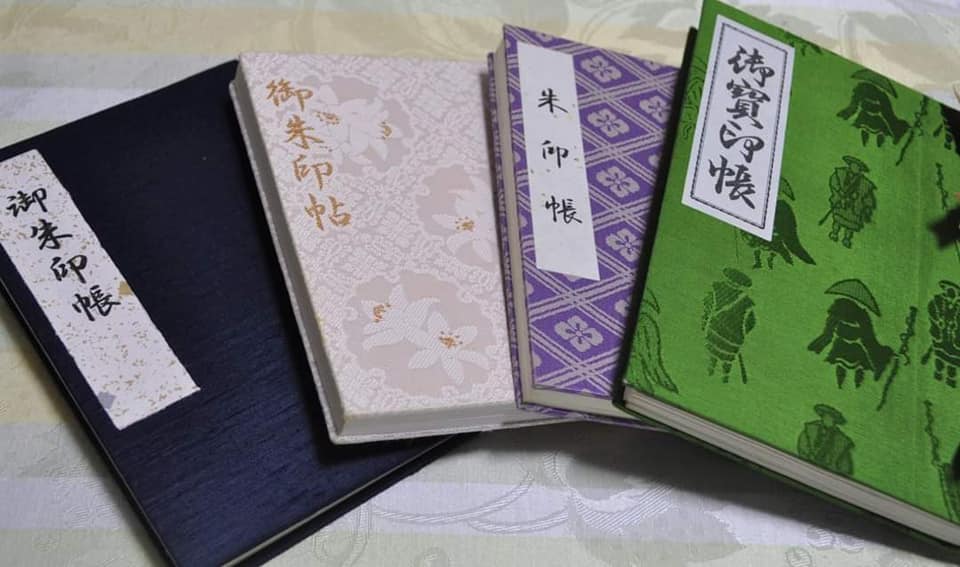
Red seal impression books are usually priced between 1,000 and 2,000 yen, although some shrines and temples have their own original red seal impression books. Red seal books can be purchased at bookstores or by mail order for about the same price.
○Value of red seal bags
If you carry your red seal book as it is, it will be damaged, but to prevent this from happening, a red seal bag is utilized. The market price for a red seal bag is about 1,000 to 2,000 yen.
■ Summary
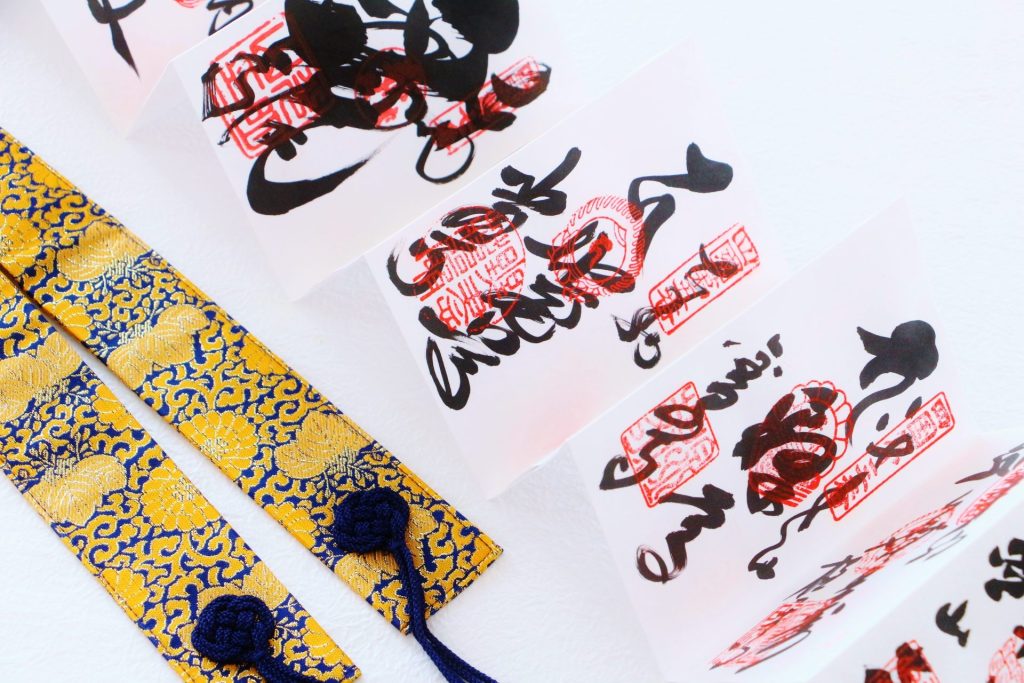
In this issue, we have introduced the market prices and manners of red seals, which you should know before going on a red seal tour in Kyoto.
The red seal fee is called "hatsuho ryori" at shrines as an offering to the gods, and "oshi" or "shinokin" at temples as a token of gratitude.
If you have any concerns or questions, it would be a good idea to check the website or social networking service of the temple or shrine where you will receive the red seal in advance.


