

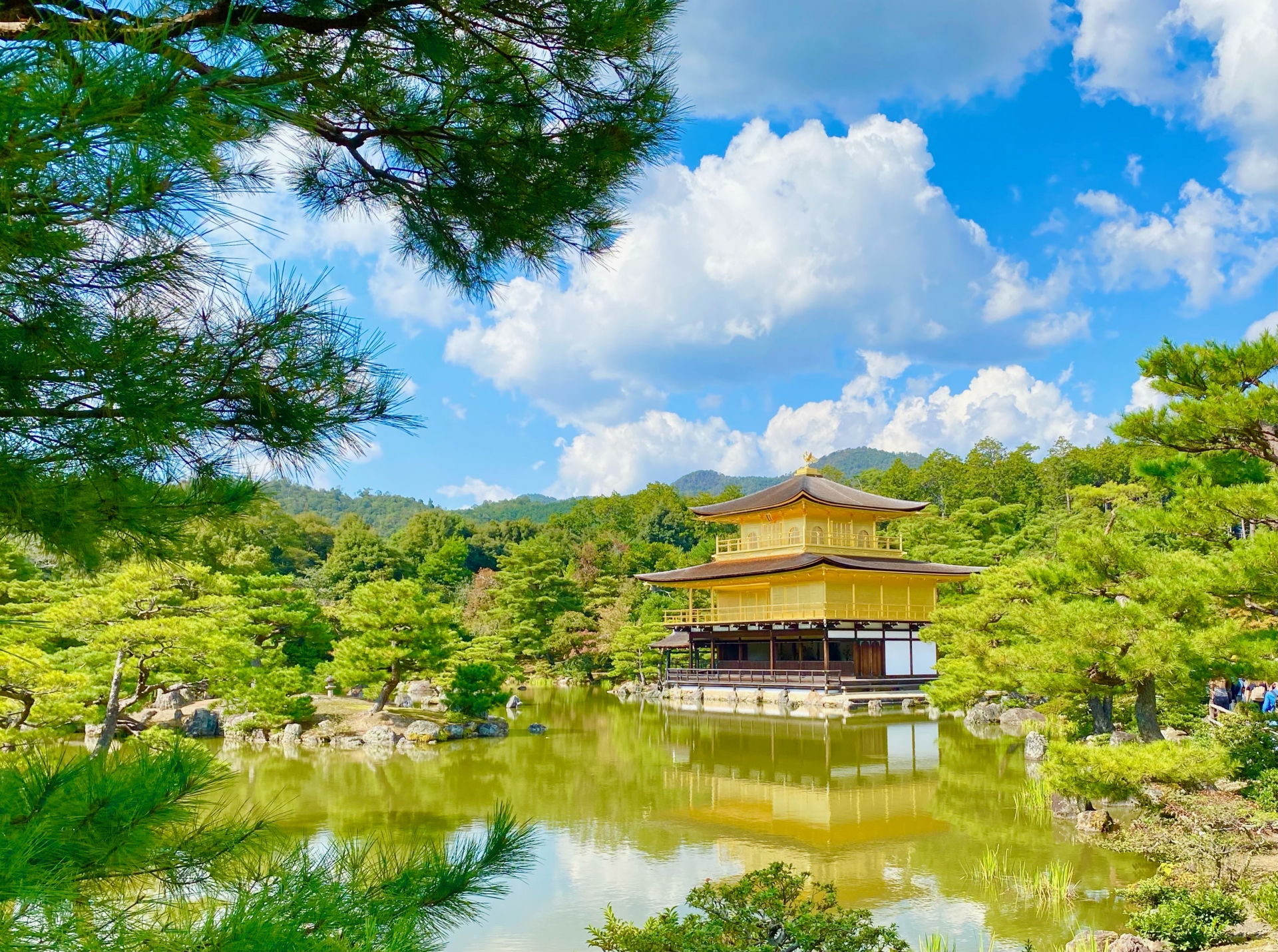
If asked to name famous temples in Kyoto, many people would probably answer “Kinkaku-ji” and “Ginkaku-ji.” Did you know that there is actually a temple in Kyoto called “Dōkaku-ji,” named after Kinkaku-ji and Ginkaku-ji?
In this article, we’ll introduce the World Heritage sites “Kinkaku-ji” and “Ginkaku-ji”—which are must-see destinations when visiting Kyoto—as well as “Dōkaku-ji (Daun-in),” a temple that’s normally closed to the public but opens for special viewings during limited periods. We’ll also provide practical information such as admission fees and visiting hours. We’ll also share a suggested itinerary for efficiently visiting all three temples, so be sure to read on to the end.
Table of Contents
Kinkakuji Temple
Ginkakuji Temple
■ Dōkaku-ji (Daun-in)
■A Model Itinerary for Efficiently Visiting Three Temples
■ Summary
Kinkakuji Temple
What Is Kinkaku-ji?
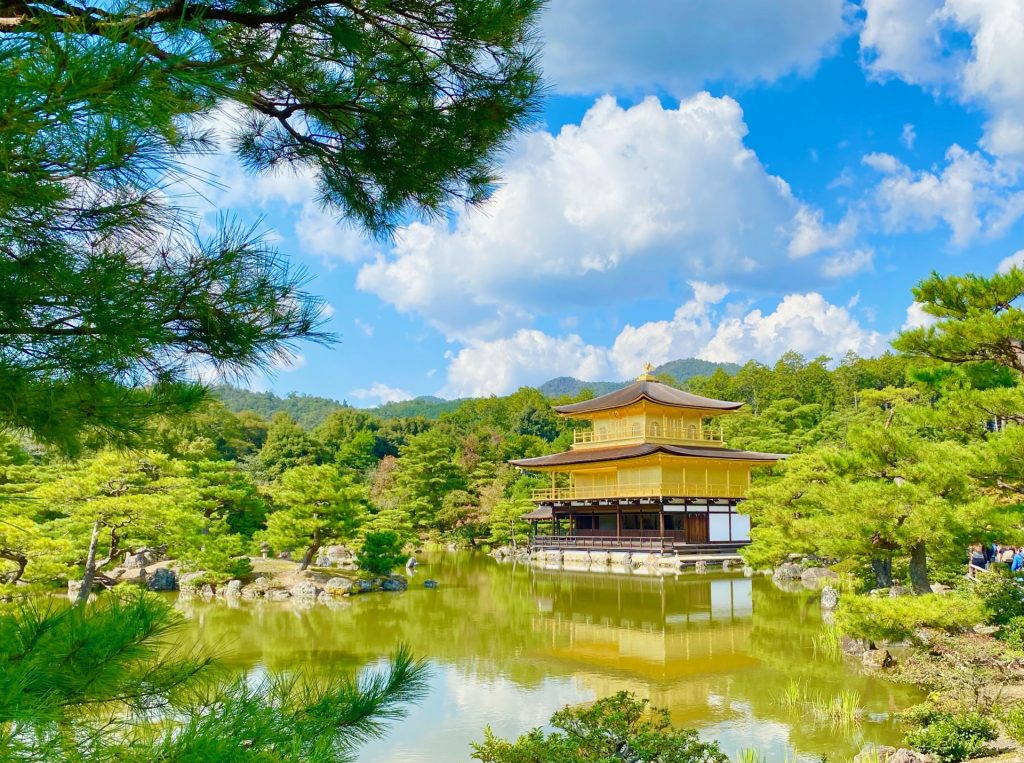
Kinkaku-ji Temple was registered in 1994 as part of the UNESCO World Heritage Site “Historic Monuments of Ancient Kyoto.” It is an architectural masterpiece representative of the Kitayama culture of the Muromachi period. Its official name is “Rokuon-ji,” and it is one of the sub-temples of Shōkoku-ji, the head temple of the Shōkoku-ji branch of the Rinzai school of Zen Buddhism. It is widely known as “Kinkaku-ji” due to the splendor of its stupa hall, the “Golden Pavilion” (Kinkaku).
The History of Kinkaku-ji Temple
Kinkaku-ji is said to have originated in 1397, when Ashikaga Yoshimitsu, the third shogun of the Muromachi shogunate, constructed the Kitayama-den and began building the Shari-den (a hall housing the relics of Shakyamuni Buddha). It is also the place where Yoshimitsu spent his final years, and it is said that, in accordance with his last will, the temple was named “Rokuon-ji,” derived from his posthumous Buddhist name, “Rokuon-in.”
Throughout its history spanning more than 600 years, Kinkaku-ji has faced various crises. Even when the Ōnin War broke out in 1467, the Relic Hall fortunately escaped destruction. However, in 1950, the Relic Hall was completely destroyed by a fire set by an apprentice monk. This fire resulted in the loss of many cultural treasures, including the statue of Ashikaga Yoshimitsu—a National Treasure—and Buddhist picture scrolls. Subsequently, reconstruction began in 1952 with donations from across the country, and restoration was completed in 1955. After a major renovation in 1987, the temple took on its current form and was registered as a World Heritage Site in 1994.
It is said that the temple is commonly referred to as “Kinkaku-ji” rather than by its official name, “Rokuon-ji,” because of the golden exterior of the Shari-den Hall.
Highlights of Kinkaku-ji Temple
reliquary hall
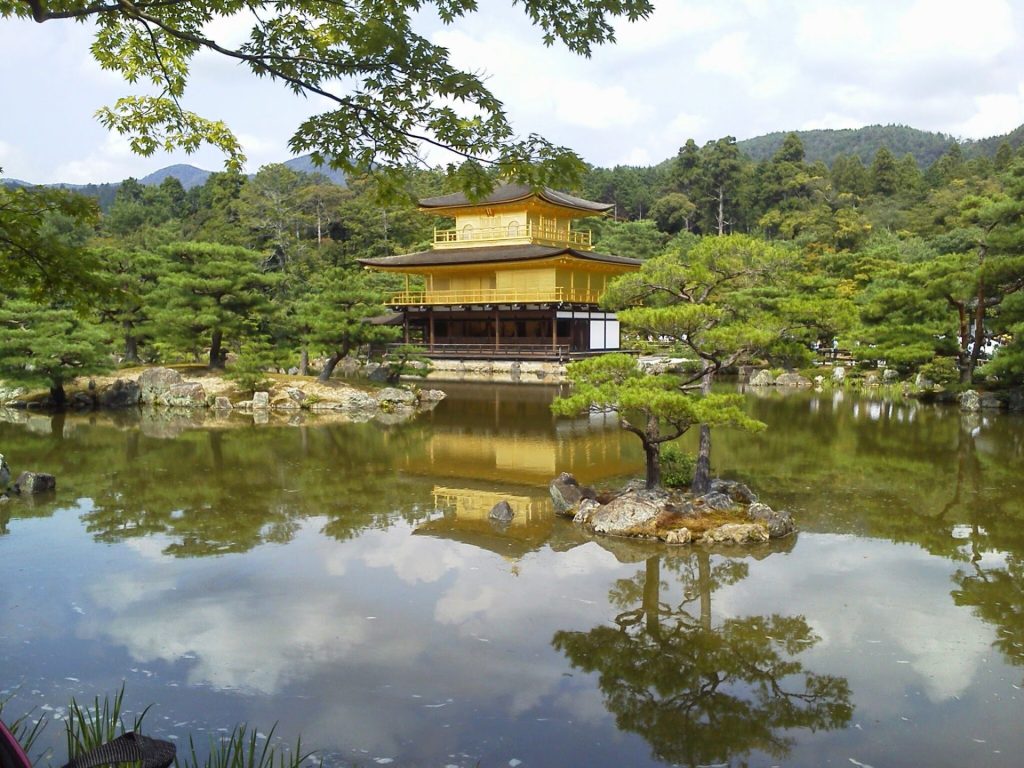
A three-story pagoda that glows golden. The contrast between the fresh greenery of summer and the snowy landscapes of winter is beautiful, and you can enjoy its different appearances throughout the four seasons.
XX Kagamiko Pond
This is the Rokuon-ji Garden, where the pond surrounding the Shari-den Hall—along with approximately 92,400 square meters of land, including the pond—has been designated a “Special Historic Site and Special Place of Scenic Beauty.”
On windless days, the Relic Hall is reflected on the water’s surface like a mirror.
Chinese phoenix
A statue of a phoenix placed atop the Sariden.
There are various theories, such as that it was a guardian deity meant to protect against misfortune and bring eternal prosperity, or that it served as a symbol for Yoshimitsu to assert his rule.
Sekka Tei
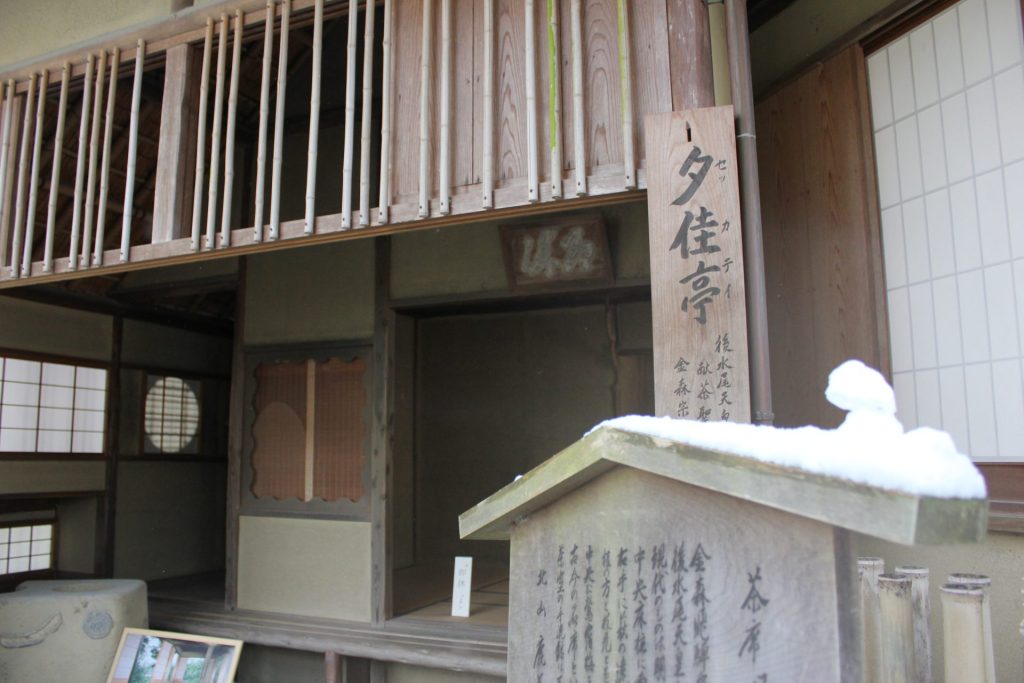
A tea room designed by tea master Muneyoshi Kanamori. The name derives from the fact that “the Golden Pavilion looks especially beautiful when illuminated by the setting sun,” and from here, you can look down upon Kinkaku-ji Temple.
○ Ginga-izumi (GingaSen) · Anminzawa
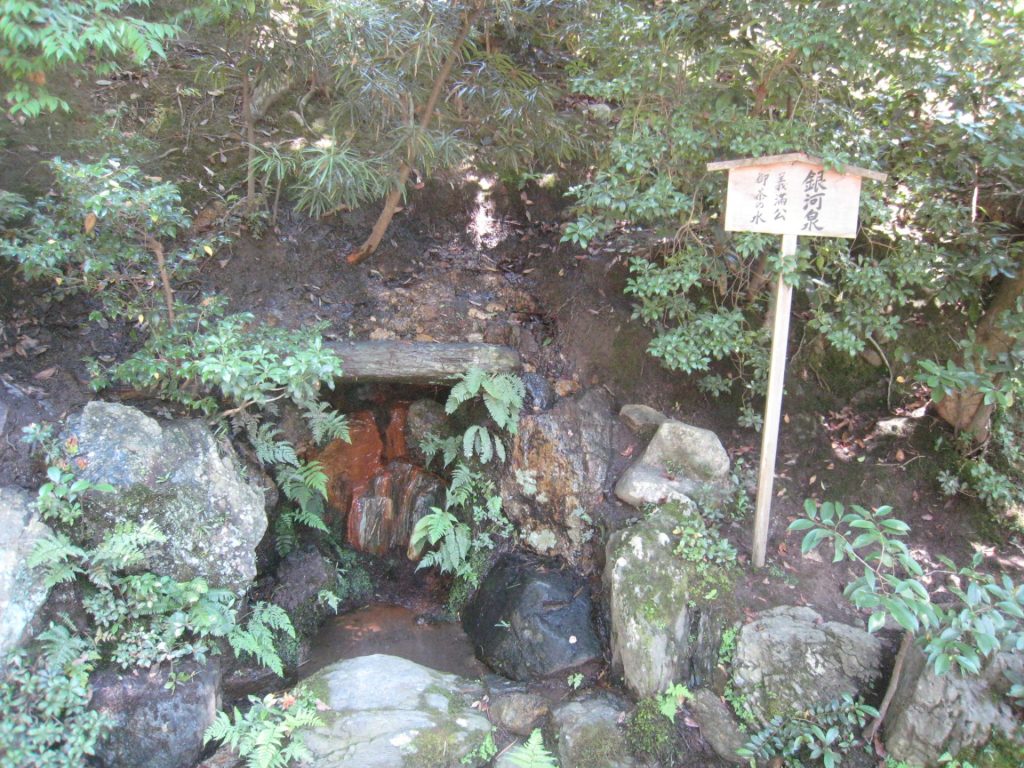
A spring located behind the Golden Pavilion and a pond that was once used for rain-making rituals. In Anmin-sawa, there is a stone pagoda believed to be the guardian shrine of the Saionji family.
■Kinkaku-ji (Rokuon-ji)
Address: 1 Kinkakuji-cho, Kita-ku, Kyoto-shi, Kyoto
Visiting Hours: 9:00 a.m. to 5:00 p.m. (Open year-round)
Admission: Adults (high school students and older) 500 yen; elementary and middle school students 300 yen *Prices may vary during special viewing periods.
Directions: Get off at the "Kinkakuji-michi" stop on the Kyoto City Bus, then walk about 3 minutes.
HP:https://www.shokoku-ji.jp/kinkakuji/
Ginkakuji Temple
What Is Ginkaku-ji?
Ginkaku-ji is a temple located in Sakyo Ward, Kyoto City; its official name is “Higashiyama Jishō-ji.”
Like Kinkaku-ji, it is a sub-temple of the Shōkoku-ji branch of the Rinzai school of Zen Buddhism and stands as a symbol of the Higashiyama culture—which flourished in the late Muromachi period and is associated with the Ashikaga shogunate. Ginkaku-ji, Kinkaku-ji, and Hiyun-kaku (Nishi Hongan-ji) are collectively known as the “Three Pavilions of Kyoto.”
The History of Ginkaku-ji Temple
Ginkaku-ji traces its origins to 1482, when Ashikaga Yoshimasa, the eighth shogun of the Muromachi shogunate, constructed the Higashiyama-dono. Built on land that had been devastated by the Ōnin War (beginning in 1467), Yoshimasa moved to this site in 1485 and spent the rest of his life there. In 1486, the National Treasure “Tōgudō” was completed. Subsequently, a major renovation was carried out in 1615, giving the temple its appearance as it is today, and it was designated a World Heritage Site in 1994.
Although “Ginkaku-ji” (Silver Pavilion Temple) is often paired with “Kinkaku-ji” (Golden Pavilion Temple), the temple is not actually covered in silver leaf. The prevailing theory is that, due to financial difficulties, it was originally coated in black lacquer. While there are several popular legends—such as “it was supposed to be covered in silver leaf” or “it was once covered but the leaf peeled off”—none of these can be considered established fact. Another theory suggests that the name derives from the way moonlight reflects off the “Ginshadan” (Silver Sand Beach) and “Kogetsudai” (Moon-Viewing Platform) within the temple grounds, causing them to appear to shimmer silvery.
Highlights of Ginkaku-ji Temple
○KannonThe Pavilion (Silver Pavilion)
This Buddhist hall consists of the “Shinkuden” on the first floor and the “Shionkaku” on the second floor. It was deliberately built so that it does not face the western part of Kyoto City—the center of political power—which offers insight into the state of mind of Yoshimasa after he retired from public life.
Xiangyue platform and the Yinsha Sea
The Mukatsuki-dai, a cone-shaped mound of sand (approximately 1.8 meters high), and “Gin-satan,” a sand formation depicting waves. Believed to have been created during the Edo period, they are said to have been built for viewing the moon rising over the Higashiyama Mountains.
Pond garden
This garden, centered around the Nishiki-kyo Pond, was designated a Special Historic Site and Special Place of Scenic Beauty in 1952. Highlights include the stone bridge and Swan Island.
○Togudo
Designated a National Treasure. Built in 1486 as Ashikaga Yoshimasa’s private Buddhist shrine, it houses “Dōnin-sai,” considered Japan’s oldest tea room.
○ Ginkaku-ji (Jishō-ji)
Address: 2 Ginkakuji-cho, Sakyo Ward, Kyoto City, Kyoto Prefecture
Visiting Hours: Summer (March 1–November 30) 8:30 a.m.–5:00 p.m.; Winter (December 1–end of February) 9:00 a.m.–4:30 p.m.
Admission: Adults (high school students and older) 1,000 yen; elementary and middle school students 500 yen
(Revised April 1, 2026. Free for children under elementary school age; discounts available for people with disabilities, etc.)
Directions: Take the Kyoto City Bus and get off at “Ginkakuji-michi” or “Ginkakuji-mae.”
HP:https://www.shokoku-ji.jp/ginkakuji/
*Please note that the admission fee for Ginkaku-ji was revised in April 2026, changing from the previous rate of 500 yen (300 yen for elementary and junior high school students) to the current amount. Although Kinkaku-ji belongs to the same Shokoku-ji sect, its admission fee remains at 500 yen; please be aware that the admission fees for these two temples differ.
■Dokakuji Temple (Daewoin Temple)
What Is Dōkaku-ji Temple?
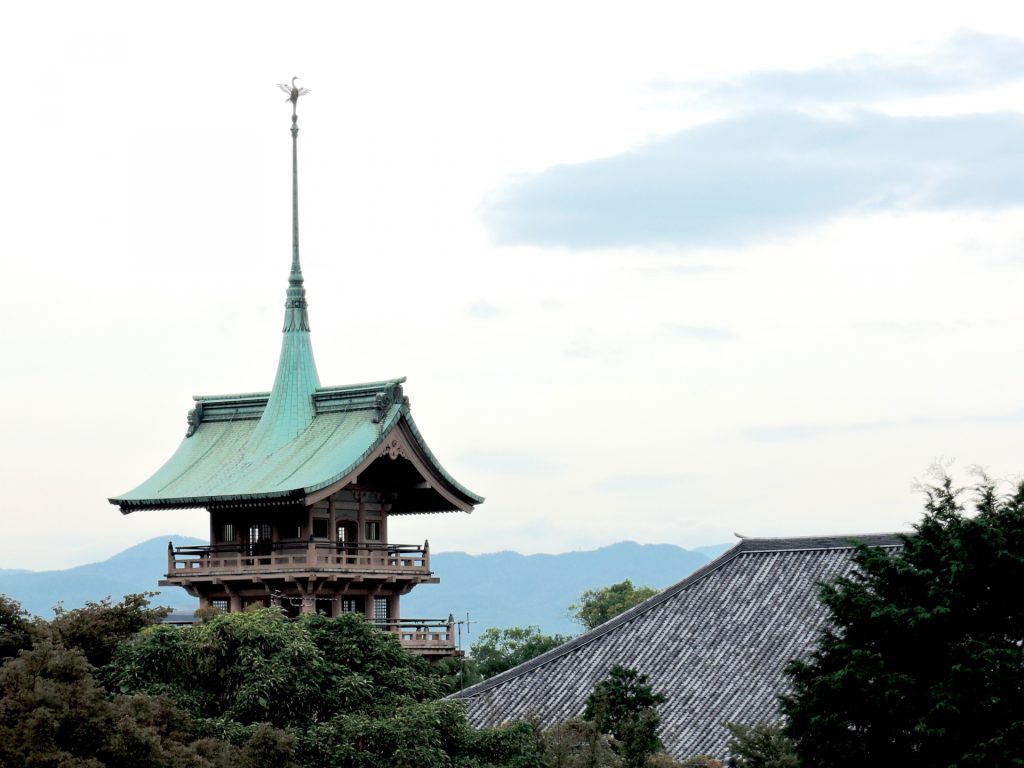
The temple commonly known as "Dōkaku-ji" is "Daun-in," located in Gion-chō, Higashiyama Ward.
The “Gionkaku,” which towers over the shrine grounds, is characterized by its unique exterior—inspired by the yama-hoko floats of the Gion Festival—and its copper-clad roof. It has come to be affectionately known as the “Copper Pavilion,” in analogy to the Golden Pavilion and the Silver Pavilion.
The History of Dōkaku-ji Temple
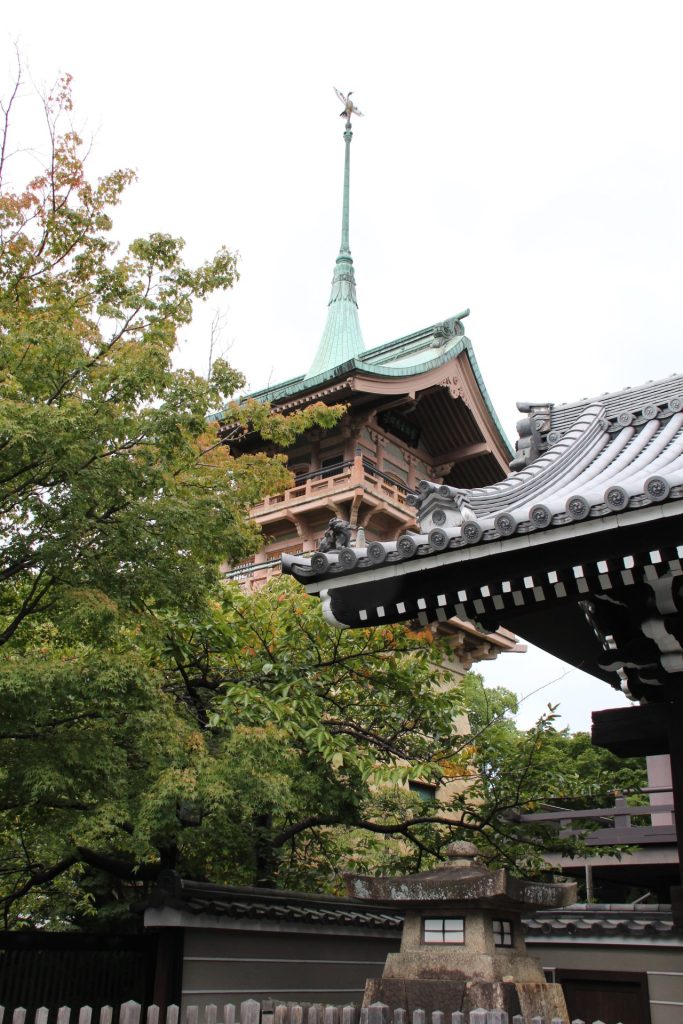
Daun-in Temple was founded in Tenshō 15 (1587) by Imperial Decree of Emperor Ōgimachi, with the Venerable Teian serving as its founding abbot, to honor the souls of Oda Nobunaga and his son Nobutada, who committed seppuku during the Honno-ji Incident. The name “Daun-in” derives from the posthumous Buddhist name given to Nobutada. Originally built in the Karasuma-Nijo district, it was relocated to its current location in the Higashiyama-Gion area during the Showa period.
The land where Daun-in now stands was originally the site of “Makuzu-so,” the villa of Kihachiro Okura, a businessman also known as the founder of the Imperial Hotel and the Imperial Theater. Gionkaku was built in 1927 (Shōwa 2) to commemorate Kihachirō’s 90th birthday, based on a design by architect Chūta Itō. It is designated as a National Registered Tangible Cultural Property and stands approximately 36 meters tall. In Showa 63 (1988), to commemorate the 400th anniversary of the founding of Daun-in Temple, reproductions of murals from Dunhuang—a key hub along the Silk Road—were installed inside Gionkaku.
How to Visit Dōkaku-ji Temple
Daun-in Temple is normally closed to the public, but several times a year—in spring, summer, and fall—it holds limited-time special viewings as part of events such as the “Special Viewing of Kyoto’s Closed Cultural Properties” and “Kyoto Summer Journey.” During these special viewings, visitors can pay their respects not only at the Main Hall and Gionkaku but also at the tombstones of Oda Nobunaga and Nobutada—which have long been off-limits to the public—as well as the tombstone of Ishikawa Goemon. From the top floor of Gionkaku, visitors can also enjoy a 360-degree panoramic view of the Higashiyama Mountains and the cityscape of Kyoto.
Since the dates of special viewings and admission fees vary from year to year, if you plan to visit, we recommend checking the latest event information on Kyoto City’s official tourism website, “Kyoto Tourism Navi,” the “Let’s Go to Kyoto” website, or Daun-in Temple’s official website.
■ Dōkaku-ji (Daun-in)
Address: 594-1, South side of Gion-cho, Higashiyama-ku, Kyoto-shi, Kyoto
Visits: Normally closed to the public. Visits are permitted only during special open periods in spring, summer, and fall (dates and admission fees vary by year).
Directions: Get off at the “Higashiyama Yasui” stop on the Kyoto City Bus, then walk about 5 minutes.
HP:https://www.daiunin.or.jp/
Special Event Information: Kyoto Tourism Navi (https://ja.kyoto.travel/) and other sources—be sure to check
■A Model Itinerary for Efficiently Visiting Three Temples
Starting from Kyoto Station, we recommend this easy-to-follow bus route: ① Dōkaku-ji (Daun-in) → ② Ginkaku-ji → ③ Kinkaku-ji (Dōkaku-ji is only open to the public during special viewing periods).
- Take City Bus Route 206 from Kyoto Station and get off at “Higashiyama Yasui.” It’s about a 5- to 7-minute walk to Dōkaku-ji Temple (Daun-in).
- Walk to the “Gion” bus stop and take City Bus Route 203. Get off at “Nishiki-rin Shako-mae,” and walk toward Ginkaku-ji for about 15 minutes, passing along the Philosopher’s Path and other sights.
- Take City Bus Route 204 (toward Kitaoji) from the “Ginkakuji-dori” bus stop and get off at “Kinkakuji-dori.” Kinkakuji Temple is about a 3-minute walk from there.
Since these are all bus routes with relatively frequent service, they should be easy to incorporate into itineraries that combine them with other tourist attractions. However, buses tend to get crowded during the tourist season, so we recommend allowing plenty of time for your travels.
■ Summary
In this article, we’ve introduced the history, the origins of their names, and visitor information for Kyoto’s Kinkaku-ji, Ginkaku-ji, and Dōkaku-ji (Daun-in). While Kinkaku-ji and Ginkaku-ji are World Heritage Sites open to the public year-round, Dōkaku-ji is a bit of a special case, as it’s only open to the public during special viewing periods.
Since admission fees are subject to change—especially at temples like Ginkaku-ji, where prices have been adjusted in recent years—it’s a good idea to check the official website for the latest information before your visit. If you’re planning your Kyoto itinerary, be sure to include a tour of these three temples—the “Gold, Silver, and Bronze” temples—in your schedule.


Related PostRelated Articles
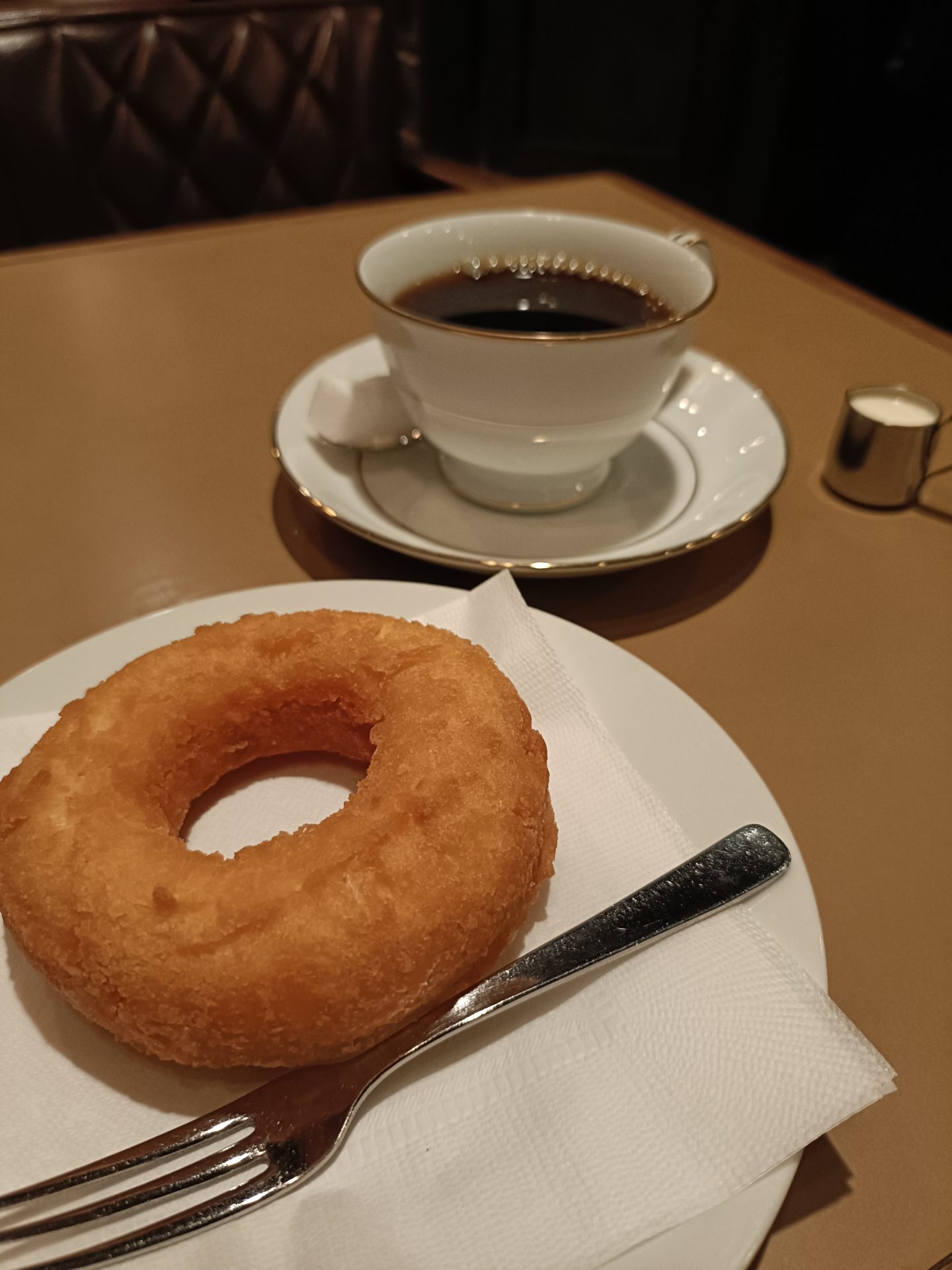
If you're going all the way, visit a place that will leave you with lasting memories! 7 Retro Cafés in Kyoto
Recently, retro-style coffee shops that make you feel as if you’ve slipped back in time to the Showa era have been attracting a lot of attention. With their vibrant colors […]

Enjoy a cup of coffee in the retro atmosphere of “Kaze to Coffee” in Kyoto’s Kamigyo Ward… Are the accompanying sweets tempting?
There are many tourist spots in Kyoto, but perhaps some of you would like to take a break from the bustling atmosphere from time to time […]
The signature dish at Muge Sanbo in Kyoto—the ”Ultra-Rich Matcha Parfait”—is absolutely delicious! If you want to experience the true essence of Kyoto, this is the place to go!
Have you heard of a shop called “Muge Sanbo,” whose signature dish is a parfait made with matcha that’s quintessentially Kyoto […]
"Rurouni Kenshin" Kyoto Pilgrimage to Famous Locations! List [Summary]
Have you heard of *Rurouni Kenshin*? Not only is there an anime series, but it’s also been adapted into a live-action movie starring Takeru Satoh, so you should definitely check it out […]
"K-ON!" Kyoto Pilgrimage to the Series' Locations! List [Summary]
Have you heard of the anime “K-ON!”? “K-ON!” is a four-panel manga series by manga artist Kaki Furai […]