

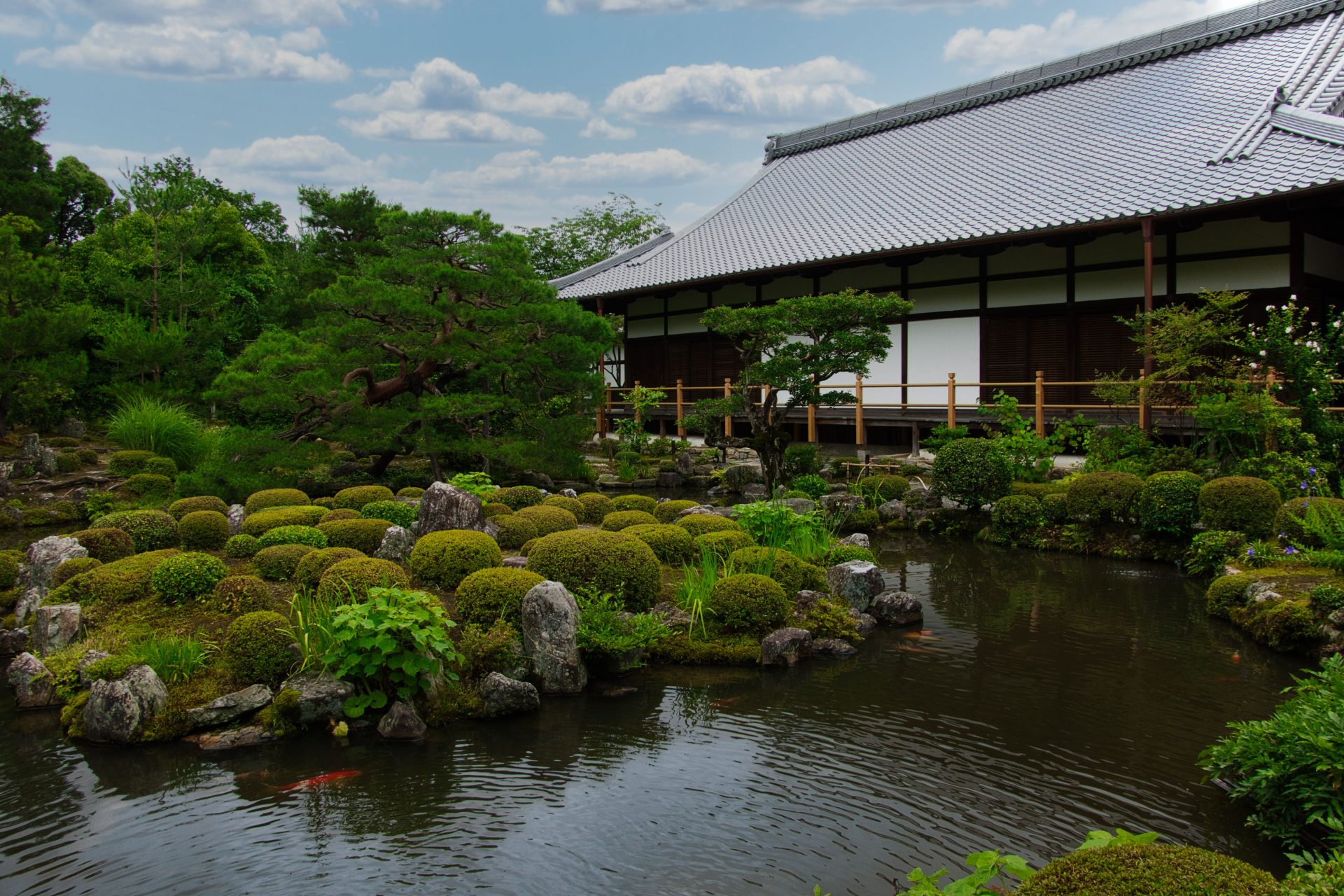
Visiting shrines and temples is an essential part of sightseeing in Kyoto, but popular spots like Kiyomizu-dera Temple and Fushimi Inari Taisha are bustling with visitors year-round. Many people who have visited Kyoto multiple times have probably felt that “the famous shrines and temples are so crowded that it’s hard to take your time and pay your respects.”
So, in this article, a Kyoto-based writer has personally visited and carefully selected four “hidden gem” shrines and temples where you can take your time exploring without worrying about crowds—yet they’re by no means too obscure.
All of these are historic sites associated with figures featured in history textbooks. We’ve also compiled practical information such as visiting hours, admission fees, and how to get there, so please use this as a reference for your next trip to Kyoto.
Table of Contents
■Shōnen-ji Temple (Fushimi Ward)
■Tōji-in (Kita Ward)
■Shin-Kumano Shrine (Higashiyama Ward)
■Gokō-gū Shrine (Fushimi Ward)
■ Summary
■Shōnen-ji Temple (Fushimi Ward)
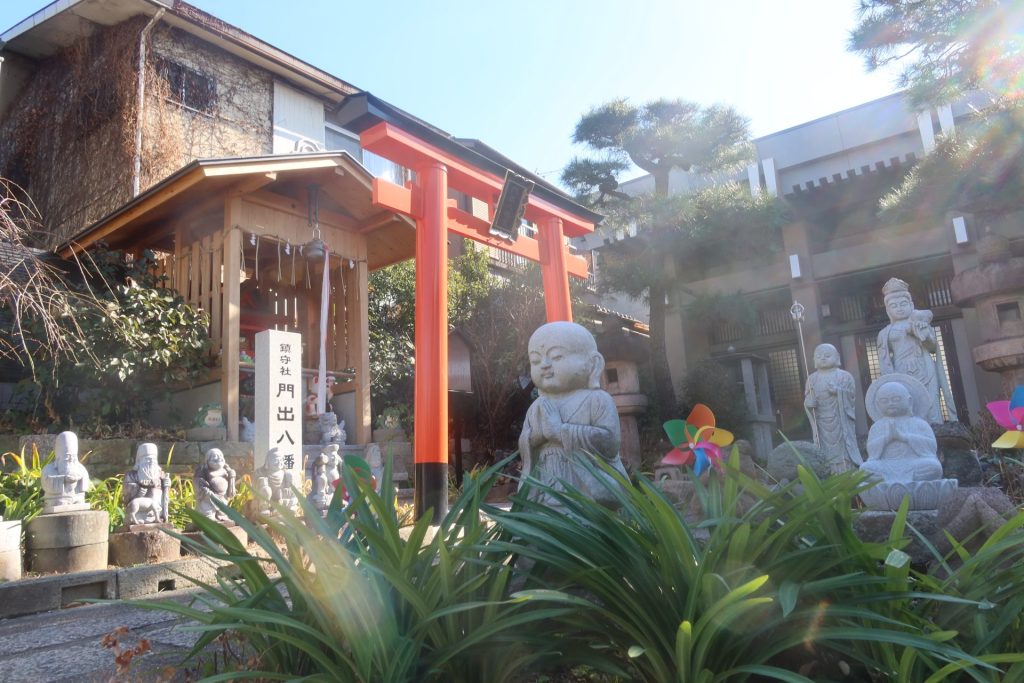
First, I’d like to introduce “Shōnen-ji,” located in Fushimi Ward, Kyoto City.
Affectionately known locally as “Kamashiki-san,” this temple is a hidden gem where visitors can pay their respects in peace, as monks are not always on the premises, which helps keep crowds at bay.
○ What Is Shōnen-ji? Its History
Located about a 3- to 5-minute walk from Tanbabashi Station on the Keihan Main Line, Shōnen-ji is a Jōdo-shū temple founded in Tenshō 15 (1587) by the Venerable Seiyō Teian, to whom Oda Nobunaga was deeply devoted.
Following the Incident at Honnō-ji, Oda Nobunaga committed seppuku at Honnō-ji, while his eldest son, Nobutada, did so at the Nijō Imperial Palace. Acting on an imperial decree from Emperor Ōgimachi, Priest Teian founded Daun-in on the site of the former Nijō Imperial Palace to honor the souls of Nobunaga and Nobutada. Separately, Shōnen-shō founded Shōnen-ji to enshrine a Jizō statue said to have been bestowed upon him by Nobunaga in Azuchi. Although the main hall and the priests’ quarters were destroyed in a fire in the 7th year of the An’ei era (1778), the Jizō Hall survived the blaze, and the Buddhist statue associated with Nobunaga has been carefully preserved to this day.
Highlights of Shōnen-ji Temple
The temple grounds and the Jizō Hall, where the Jizō statue enshrined at the Shindai-kama site is housed, are generally open to visitors at any time during the day. However, please note that the temple’s treasures—such as the sacred statue of King Yama, carved by the king himself—are not usually on public display and are only shown to the public during limited periods in the spring and fall.
Little Jizo Statues
Just inside the temple gate, a row of small Jizō statues stands. Their charming figures, partially hidden by seasonal flowers, bring a sense of peace to the heart.
Kamashiki-san (Mishiro-kama-shiki Jizō)
The symbol of Shōnen-ji Temple is the Migawari Kamashiki Jizōson, commonly known as “Kamashiki-san.” Legend has it that this Jizō statue was bestowed upon Priest Teian by Oda Nobunaga. It is a “substitute” Jizō—one who is said to enter a boiling cauldron in place of the deceased suffering the torment of being boiled alive in hell, thereby taking on their suffering. It has been the object of deep devotion since the Edo period. The Jizō Hall is located immediately to the right upon entering the temple grounds.
Hagi Flowers
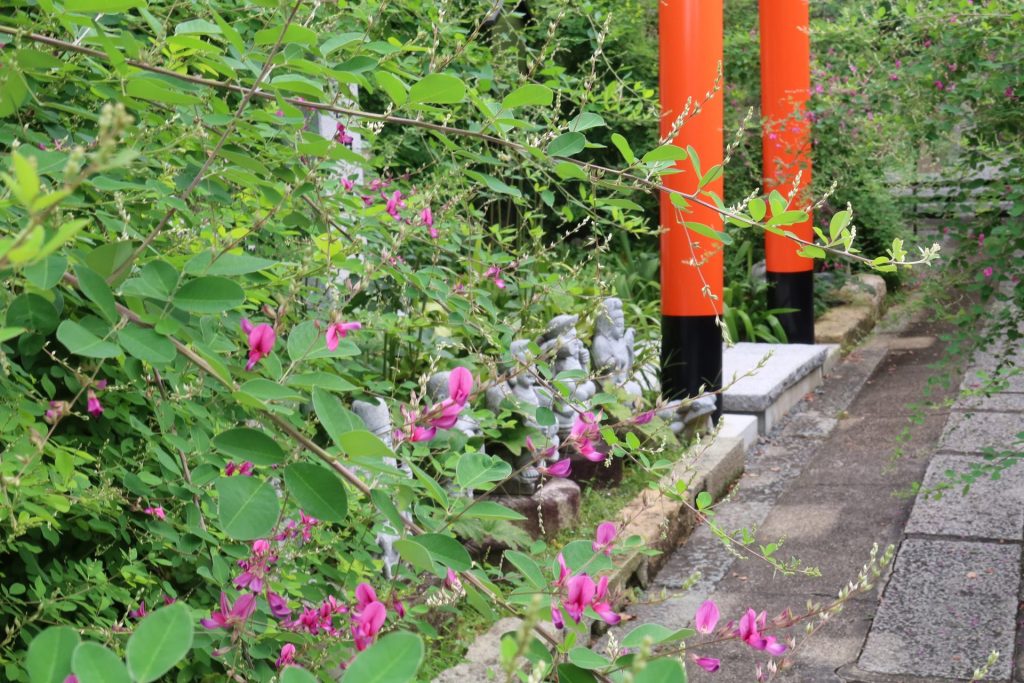
Shōnen-ji Temple is also known as the “Hagi Temple,” and more than 20 varieties of hagi, totaling about 100 plants, are planted on its grounds.
From late summer through fall, the entire temple grounds are adorned with hagi flowers, and around September each year, the “Hagi Festival” is held, during which the temple gate is opened to the public (since the dates vary by year, we recommend checking the official website or social media before your visit). In addition to hagi, you can also enjoy other seasonal flowers such as red spider lilies, hibiscus, and pampas grass.
Self-Carved Sacred Statues of Tara Kannon and King Yama
This Tara Kannon (Tara Bodhisattva), also said to have been bestowed by Oda Nobunaga, is a female deity originating from Tibetan Buddhism who is believed to have been born from Kannon’s tears. In addition, the small statue of Yama, the King of Hell—measuring just 5.5 centimeters in height—is said to have been bestowed by Yama upon Jishinbō Son’ne during the era of Taira no Kiyomori, a military commander of the late Heian period. It is characterized by its serene and compassionate expression. These temple treasures can only be viewed during special public viewings in the spring and fall.
Shonenji Temple
Address: 521 Ishiya-cho, Fushimi-ku, Kyoto-shi, Kyoto
Phone: 075-611-1606
Visiting Hours: 8:00 a.m. to approximately 4:00 p.m. (The temple grounds and Jizō Hall are open to the public at any time; the temple treasures are on display only during special exhibitions in spring and fall.)
Admission: Free
Directions: Get off at "Tanbabashi Station" on the Keihan Main Line; it's about a 3- to 5-minute walk from there.
HP:https://kamasikisan.wixsite.com/syonenji
■Toji-in(Kita Ward)
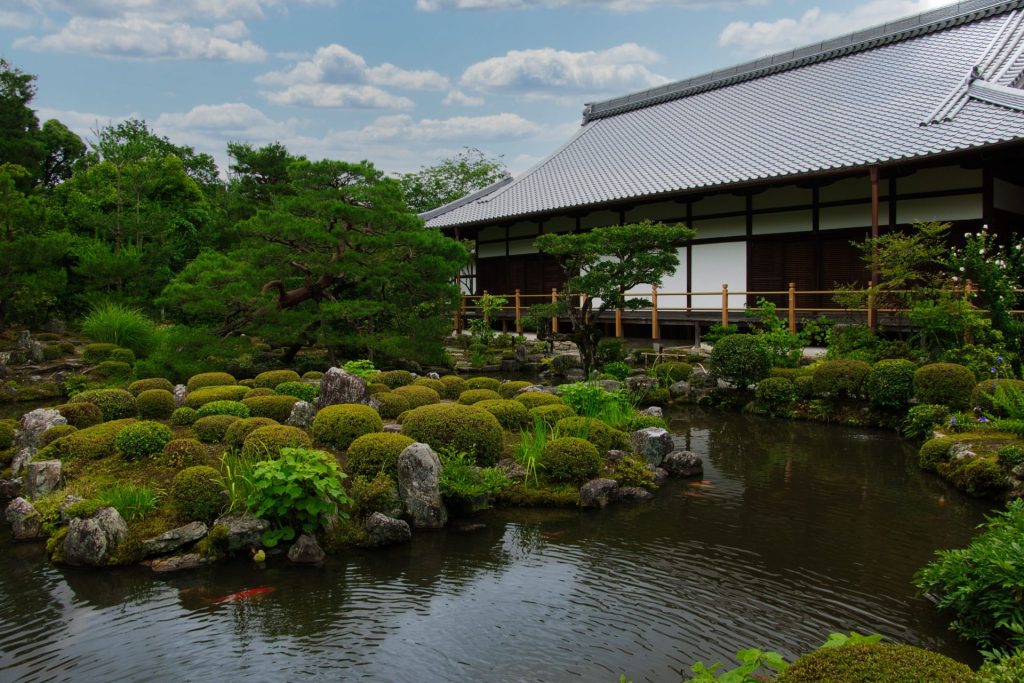
Next up is “Tōji-in,” located in Kyoto’s Kita Ward.
Although it is located in an area not far from Kinkaku-ji, it attracts relatively few tourists, allowing visitors to enjoy a peaceful stroll through the garden. It is a temple of the Rinzai Zen Tenryū-ji school and is also known as the burial site of Ashikaga Takauji, the first shogun of the Muromachi shogunate.
What Is Tōji-in? The Origin of Its Name and History
Tōji-in was founded in the 4th year of the Ryakuō era (1341) by Ashikaga Takauji, who invited National Preceptor Musō of Tenryū-ji (Musō Soseki) to serve as its founding abbot. Originally built as a branch temple of “Tōji-ji”—which Takauji had constructed on the site of his residence when he established the Muromachi shogunate—it was divided into “Kita-dera (Tōji-in)” and “Minami-dera (Tōji-ji).” However, after Takauji’s death in 1358, it came to be known as “Tōji-in” in honor of his posthumous Buddhist name.
Although it suffered extensive damage during the Ōnin War (1467–), it was rebuilt after merging with its parent temple, Tōji-ji. Despite being struck by fires and the ravages of war in subsequent years, it has been preserved to the present day, thanks in part to restorations carried out by Toyotomi Hideyori. It is also known for being the location where Shōzō Makino—considered Japan’s first film director—shot numerous films during the Taishō era; a bronze statue of him stands within the temple grounds.
Highlights of Tōjō-in Temple
Abbot's Quarters
This building was relocated from Kaifuku-in, a sub-temple of Myōshin-ji, where it had been constructed by Masanori Fukushima in Genna 2 (1616). The garden spreading out before you reveals different charms with the changing seasons. The paintings on the sliding doors are said to be the work of Kano Kōi, a painter of the Azuchi-Momoyama period; however, since photography is generally prohibited inside the hall, be sure to commit the view to memory.
Daruma Painting
On the temple grounds, there is a large painting of Daruma by Seki Bokuō, a monk of the Rinzai school. It depicts Bodhidharma, the founder of Chinese Zen Buddhism, and his imposing presence is truly striking.
Garden
This is a stroll-style garden with a pond, said to have been designed by National Master Musō, and it has been designated as a Place of Scenic Beauty by the City of Kyoto.
The “Shinji Pond” on the east side is shaped like the character “心” (heart) written in cursive script, while the tea house “Seirentei” stands on the banks of the “Fuyō Pond” on the west side. The garden also features a Hōkyō-in-tō stupa, said to be the tomb of Ashikaga Takauji. Visitors can enjoy the garden’s ever-changing beauty throughout the year, from cherry blossoms in spring, to Satsuki azaleas and Satsuki rhododendrons in early summer, to hibiscus in early fall, and finally, the autumn foliage from mid-November through early December. If you wish to avoid the crowds, we recommend visiting early in the morning.
Reikoden Hall
This hall houses a row of wooden statues of the successive Ashikaga shoguns. In the center is enshrined the “Rion Jizōson,” a personal Buddha statue that Ashikaga Takauji revered during his lifetime, creating a solemn and dignified atmosphere. Following restoration work in 2020, the hall is now more comfortable for visitors to explore.
Toji-in (temple in Kyoto)
Address: 63 Tojiin Kitamachi, Kita-ku, Kyoto-shi, Kyoto
Phone: 075-461-5786
Visiting Hours: 9:00 a.m. to 4:30 p.m. (Last admission at 4:00 p.m.)
Admission: Adults 600 yen, Children 300 yen
Directions: About a 5- to 10-minute walk from the "Tōji-in/Ritsumeikan University Kinugasa Campus" Station on the Keifuku Electric Railway Kitano Line
HP:https://toujiin.jp/
■Shinkumano Shrine(Imakuma Shrine)(Higashiyama Ward)
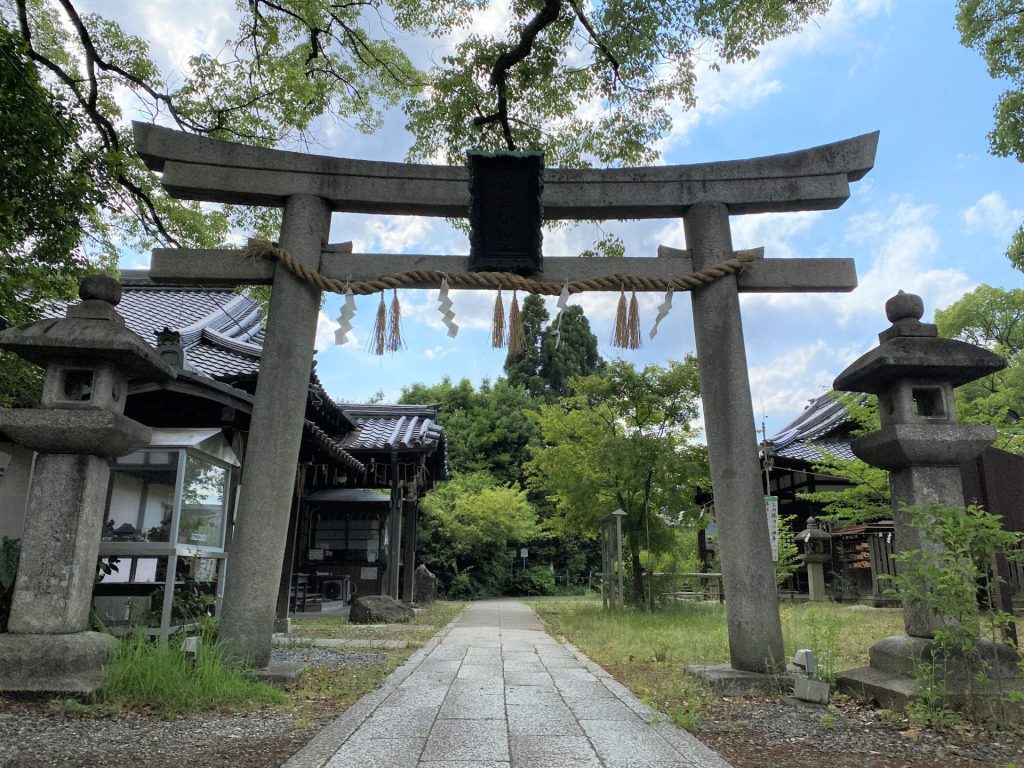
The third place I’d like to introduce is “Imakumano Shrine,” located in Higashiyama Ward, Kyoto City.
Although it’s conveniently located near the Sanjūsangen-dō and Tōfuku-ji temples, it rarely gets crowded with tourists, so you can pay your respects in peace.
○ What Is Shin-Kumano Shrine? The Origin of the Name “Shin-Kumano”
Toward the end of the Heian period, Emperor Go-Shirakawa (the retired emperor) was such a devout follower of the Kumano faith that he is said to have made the “Kumano pilgrimage” to Kumano in Kishu as many as 34 times during his lifetime. To enable pilgrimages to Kumano—which took over a month round-trip—to be undertaken even from the capital, in the first year of the Eiryaku era (1160), he ordered Taira no Kiyomori to transport earth, sand, and lumber from Kishu. With these materials, he founded Shin-Kumano Shrine as the guardian shrine of his own Sento Imperial Palace (Hōjū-ji-den). Around the same time, the Sanjūsangen-dō (Rengeō-in) was also built as the shrine’s guardian temple, forming a major religious complex associated with Emperor Go-Shirakawa and Taira no Kiyomori.
The name “Shin-Kumano,” written as “新熊野” but pronounced “Imakumano,” derives from the distinction made between the Kumano of Kishu—referred to as “old” (furu)—and the Kumano enshrined in Kyoto—referred to as “new” (ima). Together with Kyoto Kumano Shrine and Kumano Wakaōji Shrine, it is also known as the “Three Kumano Shrines of Kyoto.”
○ The Blessings of Shin-Kumano Shrine
Shinkumano Shrine is believed to grant blessings for “good health and longevity,” “protection from illness,” and “improvement in artistic skills,” and has been revered as a deity of safe childbirth since the Heian period. It is said that if you stroke the large camphor tree on the shrine grounds while making a wish, your various wishes will come true.
○ Highlights of Shin-Kumano Shrine
A giant camphor tree estimated to be about 900 years old
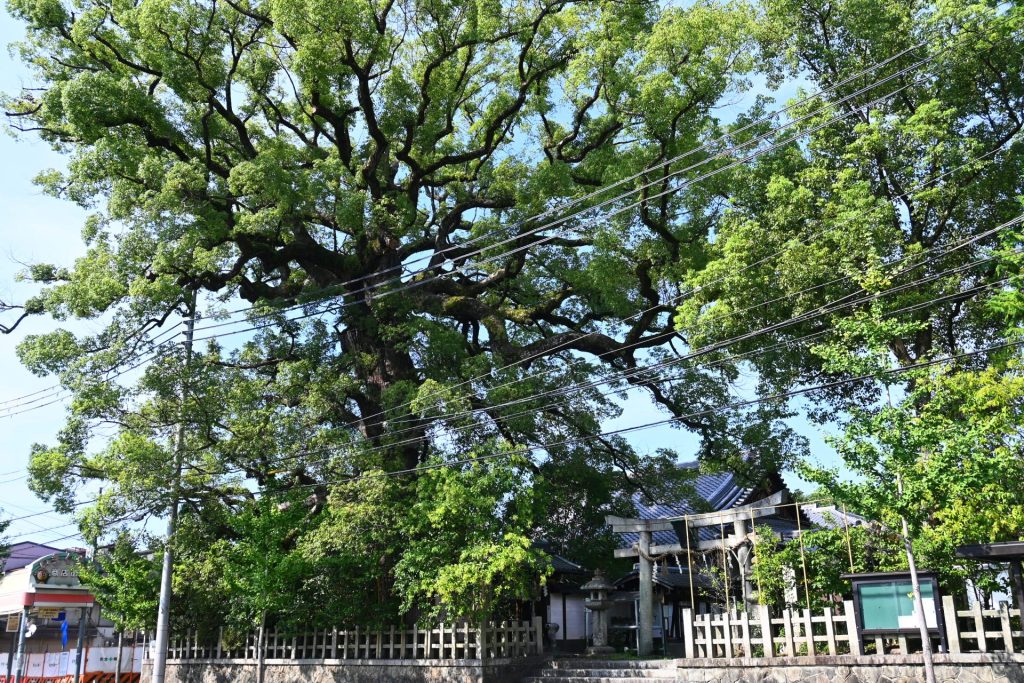
The giant camphor tree towering in the eastern part of the shrine grounds is a sacred tree said to have been brought from Kumano in Kishu at the time of the shrine’s founding and planted by Emperor Go-Shirakawa himself. It can be seen from Higashioji Street, and its majestic presence evokes the long history of this tree, estimated to be about 900 years old.
Scenes of the Four Seasons
You can enjoy beautiful scenery that changes with the seasons, from cherry blossoms in spring to autumn foliage. We also recommend taking a stroll through the surrounding Higashiyama area.
The Birthplace of Noh Theater
It is said that in the 7th year of the Ōan era (1374), Kan’ami and Zeami—father and son, regarded as the founders of Noh theater—performed a Sarugaku play here before Ashikaga Yoshimitsu, the third shogun of the Muromachi shogunate. To commemorate this event, a monument inscribed with the character “Noh” has been erected on the temple grounds.
The Sacred Naghi Tree
On either side of the main hall stand nagi trees, which are considered sacred. The nagi tree is believed to “ward off misfortune,” and because its leaves are extremely difficult to tear off, it is also known for its ability to bring good fortune in matters of romance.
The Sacred Bird: Yatagarasu
The Yatagarasu, a bird that appears in Japanese mythology and is said to lead people to victory, is also known as the symbol of the Japan Football Association, and many visitors come to pray for victory in soccer matches.
New Kumano Shrine
Address: 42, Imakumano-Naginomori-cho, Higashiyama-ku, Kyoto-shi, Kyoto
Phone: 075-561-4892
Visiting Hours: 9:00 a.m. to 5:00 p.m.
Admission Fee: Free on the temple grounds
Directions: Take City Bus Route 208 and get off at "Imakumano"; it's about a 3-minute walk from there.
HP:http://imakumanojinja.or.jp/
■Mikamiya Shrine(Gokō-no-miya Shrine) (Fushimi Ward)
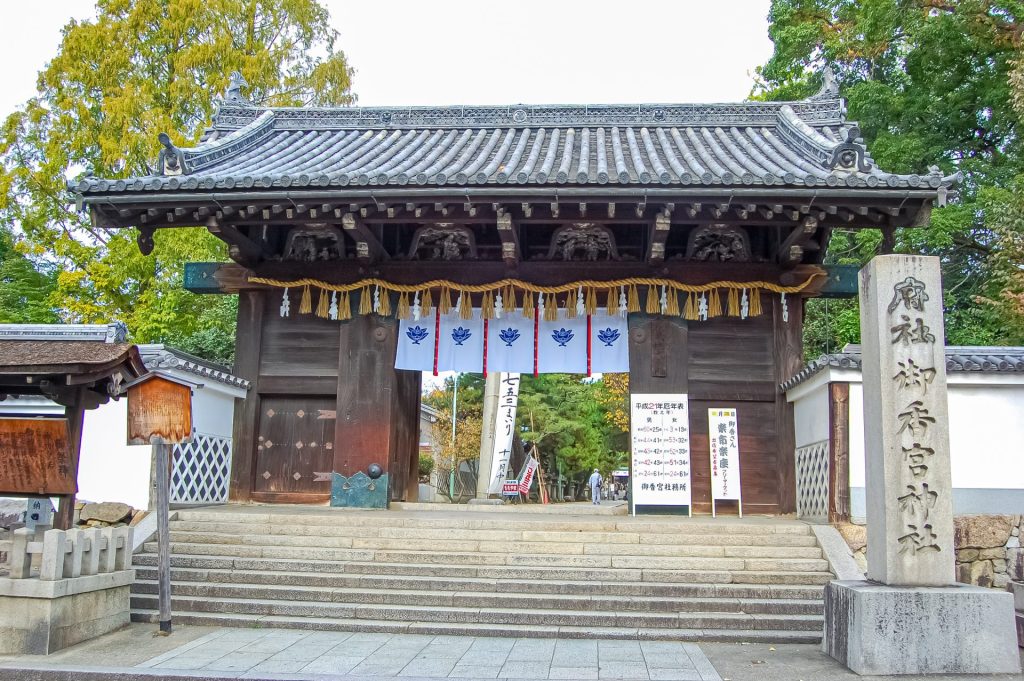
Last but not least, we’d like to introduce “Gokō-no-miya Shrine,” which is beloved as the guardian shrine of Fushimi.
Known locally by the affectionate nickname “Gokon-san,” the shrine enshrines Empress Jingū, Emperor Chūai, and Emperor Ōjin, among others, and is also known as a shrine for praying for a safe childbirth.
○ The History of Gokō-gū Shrine
Although the exact date of its founding is unknown, it is said that in the 4th year of the Jōgan era (862), fragrant water began to spring from the temple grounds, and as it gained a reputation for curing illnesses when drunk, Emperor Seiwa bestowed upon it the name “Gokō-gū.” This spring water is now known as “Gokōsui” and has been selected as one of the Ministry of the Environment’s “100 Best Springs.”
During the Tenshō era, when Toyotomi Hideyoshi was building Fushimi Castle, the shrine was temporarily relocated inside the castle grounds to ward off evil spirits from the “demon gate” direction; however, in Keichō 10 (1605), Tokugawa Ieyasu had it returned to its original location, where it was then rebuilt into its present form.
During the Battle of Toba-Fushimi in Keiō 4 (1868), the Fushimi area was engulfed in fierce fighting; however, since Gokō-gū Shrine was located on higher ground than the Fushimi Magistrate’s Office, it escaped major damage. A water basin said to have been scorched and discolored during that time still remains on the shrine grounds today.
〇Highlights of Gokō-gū Shrine
Great Torii Gate
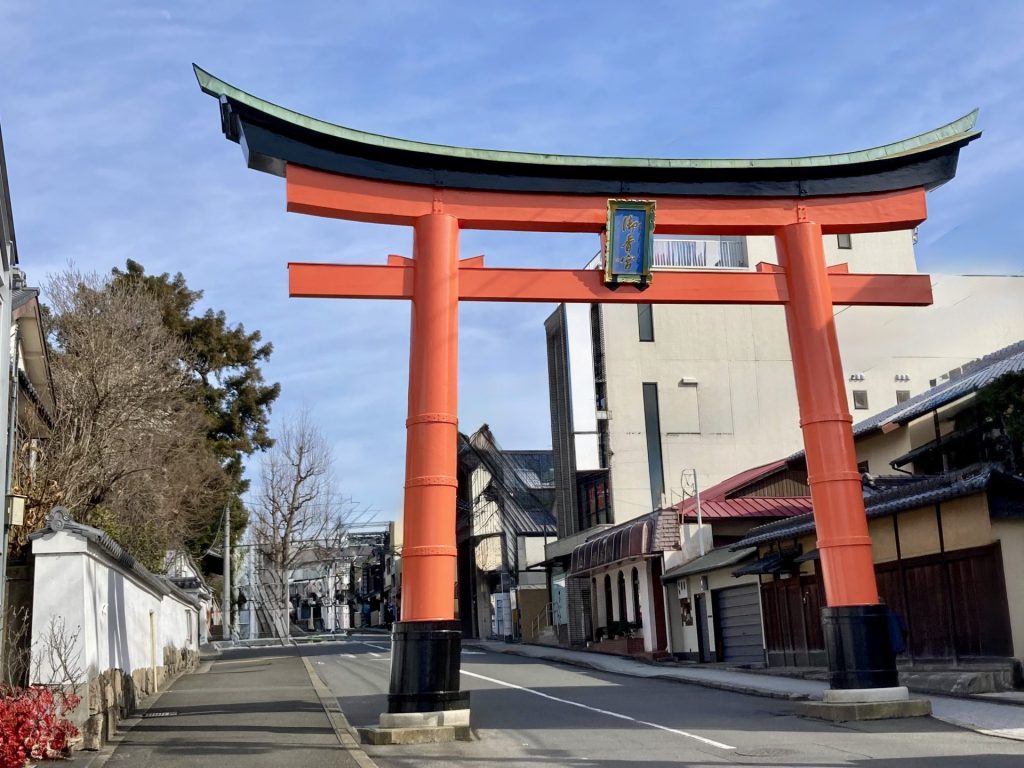
A majestic large torii gate stands proudly on Otosuji Street, which leads to the ruins of Fushimi Castle. It is large enough for cars to pass through and serves as a symbol of Fushimi.
Main Gate
This gate is said to have been donated by Tokugawa Yorifusa (the founder of the Mito Tokugawa clan); when visiting the shrine, you pass through it to enter the grounds.
Worship Hall
The main worship hall, adorned with lavish, vibrantly colored carvings, features striking details such as the carving known as “Koi Climbing the Waterfall.”
Perfume
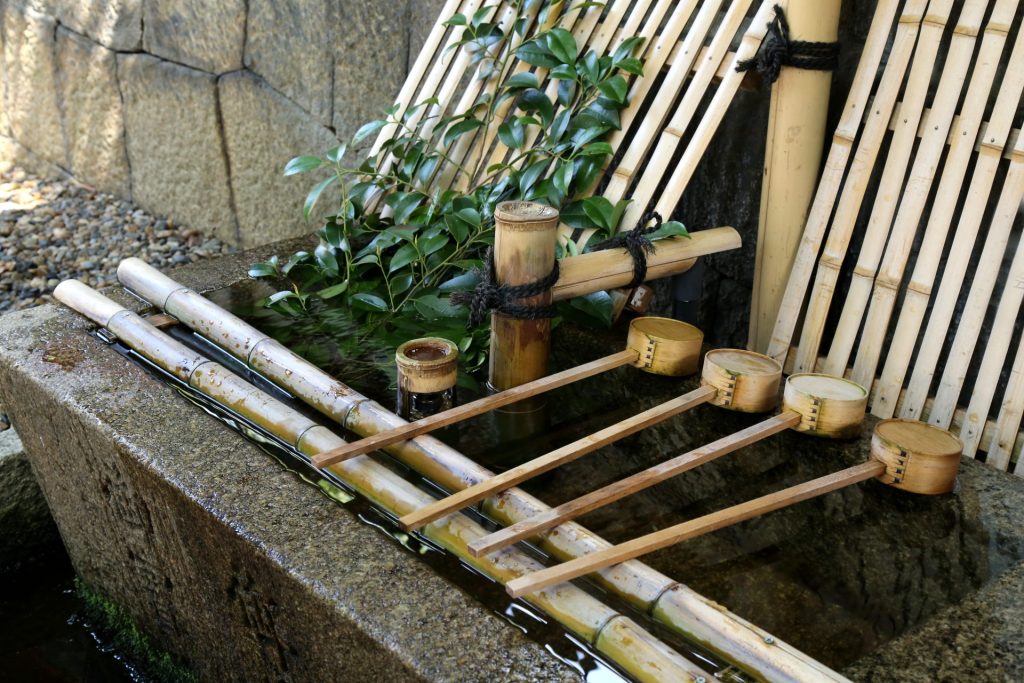
This spring water, selected as one of Japan’s “100 Best Waters,” has been cherished since the Heian period as “water that heals illnesses.” It is said to spring from the same aquifer used for brewing sake in Fushimi, and even today, it is common to see locals visiting the spring with their own containers to draw water. Water is available from 7:00 a.m. to 7:00 p.m.
Emadō
This building displays donated ema, and inside you can also see “sangaku”—wooden plaques inscribed with problems in wasan (a form of mathematics unique to Japan).
Noh Stage
It is performed every fall on the stage where the “Gokonomiya Shin-no,” a ritual with a history of over 600 years, is dedicated.
Rock Garden
This garden, originally built by Kobori Enshū within the grounds of the former Fushimi Magistrate’s Office, was relocated after World War II. It is a “crane-and-tortoise” style dry landscape garden, and a separate admission fee is required to view it.
Mikamiya Shrine
Address: 174 Gokamiya-monzen-cho, Fushimi-ku, Kyoto-shi, Kyoto
Phone: 075-611-0559
Visiting Hours: The shrine grounds are open at all times (Gift Shop: 9:00 a.m.–4:00 p.m.; Rock Garden: 9:00 a.m.–around 3:30 p.m.)
Admission: Free admission to the temple grounds; rock garden admission: 200 yen for adults, 150 yen for students (may be closed to the public depending on events)
Directions: About a 5-minute walk from "Fushimi-Momoyama Station" on the Keihan Railway or "Momoyama-Goryo-mae Station" on the Kintetsu Kyoto Line
HP:https://gokounomiya.kyoto.jp/
■ Summary
The four spots featured here are all historic temples and shrines associated with figures familiar from history textbooks—Oda Nobunaga, Ashikaga Takauji, Emperor Go-Shirakawa, Emperor Seiwa, and Tokugawa Ieyasu—are historic temples and shrines associated with these figures. Yet, unlike Kiyomizu-dera or Fushimi Inari Taisha, they tend to be less crowded, making them hidden gems highly recommended for Kyoto connoisseurs.
Just like the treasures at Shōnen-ji Temple, some sites are only open to the public during specific periods, so it’s a good idea to check the latest visiting information on each temple or shrine’s official website or social media before you go. Once you’ve become familiar with the standard tourist routes, be sure to venture out to these quieter temples and shrines to fully savor the depth and richness of Kyoto.
*Please note that information regarding visiting hours, admission fees, and other details is subject to change. Be sure to check the official websites of each facility in advance before visiting.


Related PostRelated Articles
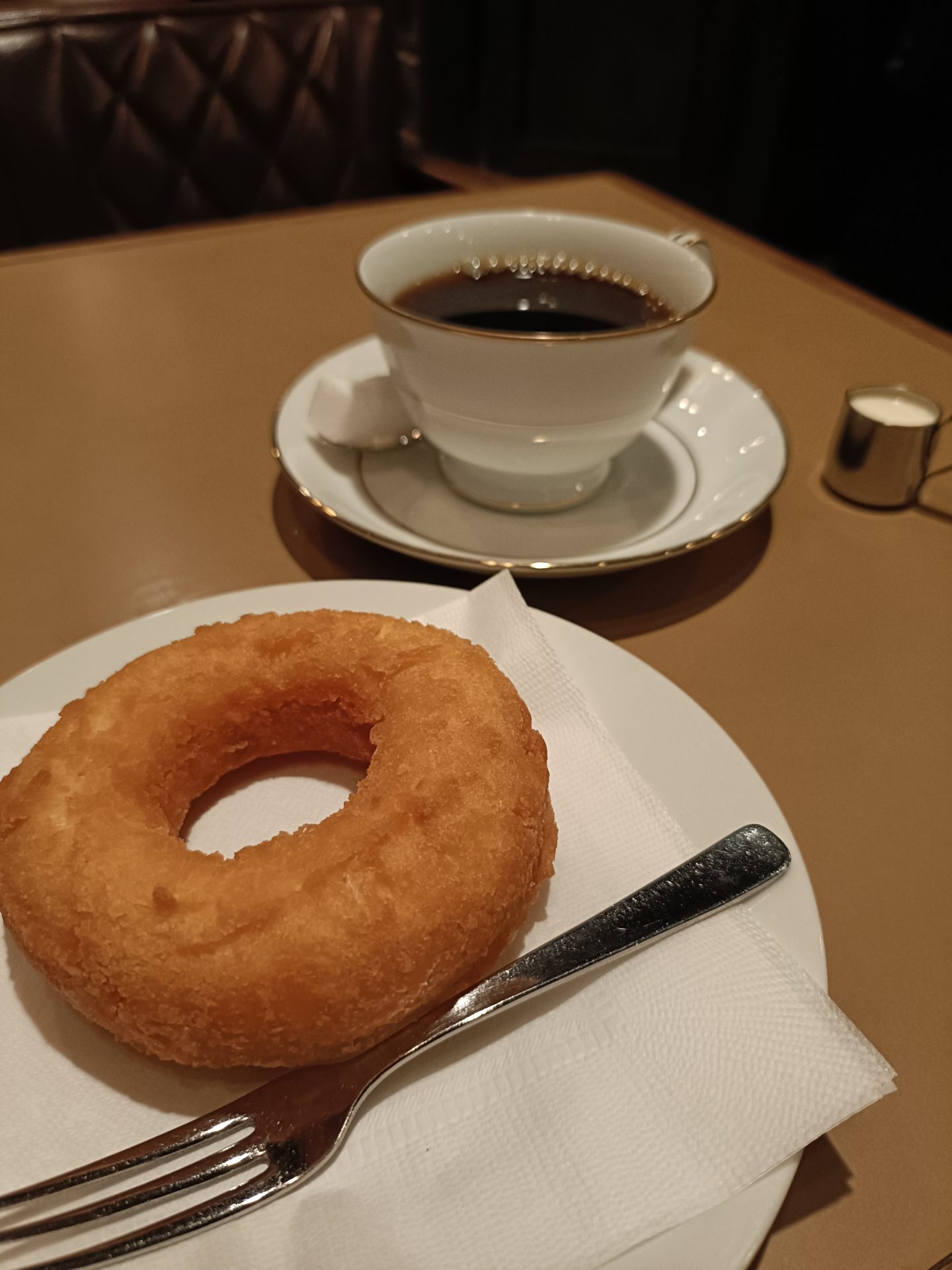
If you're going all the way, visit a place that will leave you with lasting memories! 7 Retro Cafés in Kyoto
Recently, retro-style coffee shops that make you feel as if you’ve slipped back in time to the Showa era have been attracting a lot of attention. With their vibrant colors […]

Enjoy a cup of coffee in the retro atmosphere of “Kaze to Coffee” in Kyoto’s Kamigyo Ward… Are the accompanying sweets tempting?
There are many tourist spots in Kyoto, but perhaps some of you would like to take a break from the bustling atmosphere from time to time […]
The signature dish at Muge Sanbo in Kyoto—the ”Ultra-Rich Matcha Parfait”—is absolutely delicious! If you want to experience the true essence of Kyoto, this is the place to go!
Have you heard of a shop called “Muge Sanbo,” whose signature dish is a parfait made with matcha that’s quintessentially Kyoto […]
"Rurouni Kenshin" Kyoto Pilgrimage to Famous Locations! List [Summary]
Have you heard of *Rurouni Kenshin*? Not only is there an anime series, but it’s also been adapted into a live-action movie starring Takeru Satoh, so you should definitely check it out […]
"K-ON!" Kyoto Pilgrimage to the Series' Locations! List [Summary]
Have you heard of the anime “K-ON!”? “K-ON!” is a four-panel manga series by manga artist Kaki Furai […]