


Kyoto is also enjoying pleasant weather, making it the perfect season for visiting temples and shrines.
Autumn foliage will soon be at its best, and the best part of the season is the variety of colorful scenes that begin to change.
For those who want to take their time to explore the city, we have compiled a list of five spots in Kyoto that you can visit even before the peak of the autumn foliage.
We also have reviews to help you!
Table of Contents
1. Tofukuji Temple
2. Kodaiji Temple
3. Hosenin Temple
4. Honnoji Temple
5. Shisendo
summary
1. Tofukuji Temple
Tofukuji Temple is the head temple of the Tofukuji School of the Rinzai sect of Zen Buddhism, located in Higashiyama Ward.
It took 19 years to complete the project, starting in 1236.
Doke Kujo named the temple "Tofuku-ji" after Todai-ji and Kofuku-ji in Nara.
It is one of the best places in Kyoto to view the autumn leaves and is also known as "the temple face of Tofukuji Temple.
Fresh greenery in summer, green azaleas in spring, and bright red autumn leaves in fall are the colors of the season.
Tofukuji Temple is,
Tsutenkyo Bridge, one of the three famous bridges of Tofukuji Temple.
Hojo Garden, a nationally designated place of scenic beauty
The "main hall" is the largest wooden structure of the Showa period.
Zen-do, an important cultural property of Japan.
San-mon Gate, which can be seen only during special openings.
These are some of the highlights to keep in mind.
○Word of mouth
The leaves were great. I was so impressed by the wonderful autumn foliage that I visited a second time.
If you visit a little earlier in the season, you can see the beautiful autumn leaves just starting to change color. The south garden of Hojo is a must-see.
The three gates were magnificent and solemn. It is illuminated depending on the season, and the scenery is beautiful.
In spring, you can see green maple trees, and in fall, you can see bright red autumn leaves all over the area.
I did not expect the autumn leaves to be so beautiful. It is truly the temple face of Tofukuji Temple.
Facility Name:Tofukuji Temple
HP:https://tofukuji.jp/
Address: 15-778 Honmachi, Higashiyama-ku, Kyoto-shi, Kyoto
Access: 10-minute walk from Tofukuji Station on the JR and Keihan Electric Railway lines.
2. Kodaiji Temple
Kodaiji Temple, a temple of the Kenninji school of the Rinzai sect in Higashiyama Ward, was built in 1606 by Kitamasato, the wife of Toyotomi Hideyoshi, to mourn his death, and has a long history as a Momoyama-era structure.
It is famous for the weeping cherry blossoms in Hashinniwa in the spring and for the autumn leaves in the fall.
The adjoining "Umbrella Pavilion" shaped like an umbrella, the "Shigure-tei" (an important cultural property), and the garden with its splendid masonry composition are worth seeing.
○Word of mouth
I went to see the weeping cherry trees in the garden in front of the Hojo. The weeping cherry blossoms in spring are breathtaking. The pink flowers were beautiful.
Koudaiji Temple is also used as a movie location. The temple is lit up at certain times of the year, and the scenery was very beautiful.
The atmosphere of the temple and the autumn leaves is wonderful. It is so fantastic that you can forget about time.
I was healed by the autumn leaves. The quiet atmosphere and pleasant breeze relaxed me.
This is a temple associated with Nene-sama. As expected, it is a magnificent structure. There are tea ceremonies and other events.
Facility Name:Kodaiji Temple
HP:https://www.kodaiji.com/
Address: 526 Shimogawara-cho, Higashiyama-ku, Kyoto-shi, Kyoto
Access: 20 minutes from JR Kyoto Station by city bus No. 206 bound for Higashiyama-dori Kitaoji Bus Terminal.
3. Hosenin Temple
Hosenin, a temple of the Tendai sect, is located in Sakyo Ward.
It is the pagoda of Ohara-dera Temple's Shorin-in Temple, and the principal deity is the Amida Nyorai.
Hosenin's shoin was reconstructed around the Edo period (1603-1867) and covers an area of 545,000 m2, including forests.
The harmony of the Kyoto-like nature and the Hosenin building is so beautiful that you will want to keep looking at it.
In the fall season, visitors can see the autumn leaves, and through the temple gate, they can see the magnificent five-leaf pine tree, which is over 700 years old.
Not only the autumn foliage in fall, but also various expressions can be seen throughout the year.
○Word of mouth
The matcha green tea and Japanese sweets with a view of the garden was very atmospheric. I was able to enjoy the Kyoto-like atmosphere.
As we proceeded through the building, we saw the framed garden, which was absolutely beautiful. The autumn leaves in the garden that you enjoy here are magnificent.
The sweets were delicious, with nikki (garlic chive) kneaded into the gyuhi.
The "Goyonomatsu", a large pine tree with split branches, was amazing. The tree is 700 years old...it is a masterpiece.
Matcha green tea and sweets are included in the entrance fee. You can relax while looking into the garden.
Facility Name:Hosenin
HP:http://www.hosenin.net/
Address: 187 Shorinin-cho, Ohara, Sakyo-ku, Kyoto-shi, Kyoto
Access: Approximately 12 minutes on foot from Ohara bus stop by Kyoto Bus
4. Honnoji Temple
Honnoji Temple, a site associated with Oda Nobunaga, is located in Nakagyo-ku.
The Daihonzan Honnoji Temple was built by Saint Nichiryu in 1415, in the 22nd year of the Oei Era.
The head temple of the Honmon school of the Hokke school of Buddhism, the temple was then called Hon'oji, but was rebuilt in 1433 when Nyoiomaru donated land to the Shijo Bomon. At that time, the temple was renamed Honnoji.
It is better to visit Honnoji Temple, which is usually filled with students on school excursions, during the more pleasant season to take your time and enjoy the sights.
○Word of mouth
It was quite busy when I visited before, but when I came in the fall, the atmosphere was a bit more relaxed. You should come during the cooler season.
Honnoji Temple was burned down by Mitsuhide Akechi. I went sightseeing with this temple in my mind.
Recommended for strolling around Kyoto. If you want to take your time wandering around, you should avoid the hot season.
I visited Honnoji Temple. This is definitely the place to visit if you talk about the place related to Mitsuhide Akechi. This is a must-see place.
Easy access from Kyoto Shiyakusho Mae Station. The world famous Honnoji Temple. It was amazing.
Facility Name:Honnoji Temple
HP:https://www.kyoto-honnouji.jp/
Address: 522 Honnonji-mae-cho, Teramachi-dori Oike-sagaru, Nakagyo-ku, Kyoto-shi, Kyoto
Access: A short walk from Shiyakusho-mae Station on the Subway Tozai Line
5. Shisendo
Built in 1641, the Shisen-do Hall is a national historic site where the Edo Period writer Ishikawa Jozan is said to have spent the last years of his life.
Around the end of October, the autumn leaves begin to change color, providing a beautiful view of the area.
It is also the birthplace of the Shishio-do, and you will be soothed by the echoing sound.
○Word of mouth
The autumn foliage was very beautiful, but not as beautiful as the entire surface of the leaves.
The Jizo statue sitting a little on the green moss was very cute. The fresh greenery in summer is also lovely.
The area is famous for its autumn foliage. There are many other seasonal scenes besides autumn.
It is said to be the birthplace of the Shishio-do. The autumn leaves are beautiful and worth seeing.
We stopped by on our way back from Enko-ji Temple. It was a memorable experience for me to see the satsuki in the garden.
Facility Name:Hall for State Ceremonies (in Heian Palace, Kyoto Imperial Palace, etc.)
HP:https://kyoto-shisendo.net/
Address: 27 Ichijyoji-monoguchi-cho, Sakyo-ku, Kyoto-shi, Kyoto
Access: about 7 minutes on foot from Ichijyoji Shimokurimatsu-cho bus stop by city bus.
summary
In this issue, we have introduced five Kyoto spots to visit during the quiet season that begins in autumn.
Please visit temples and shrines that are famous for their autumn foliage or for their gardens that show the changing appearance of the seasons.


Related PostRelated Articles
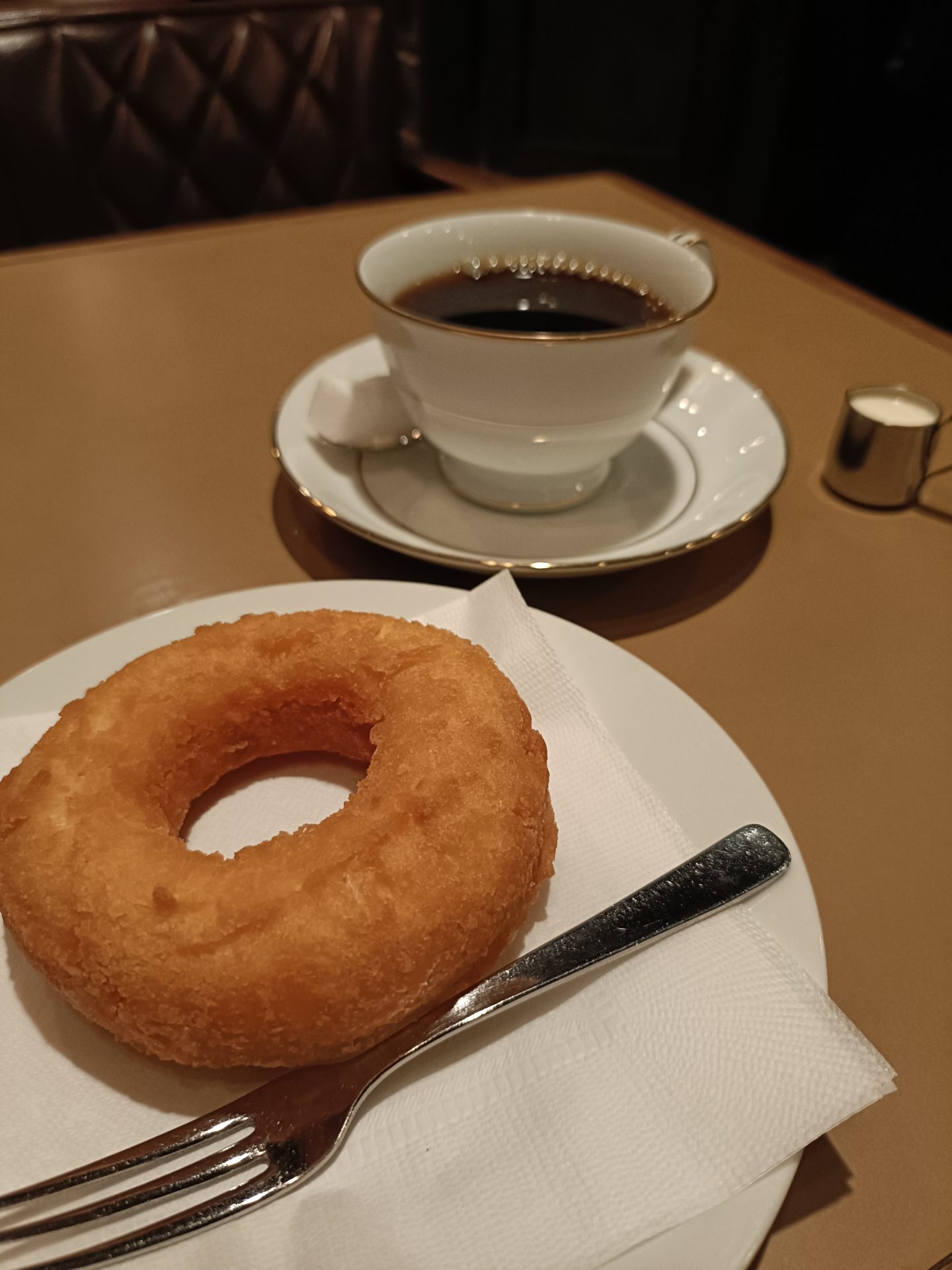
If you're going all the way, visit a place that will leave you with lasting memories! 7 Retro Cafés in Kyoto
Recently, retro-style coffee shops that make you feel as if you’ve slipped back in time to the Showa era have been attracting a lot of attention. With their vibrant colors […]
The signature dish at Muge Sanbo in Kyoto—the ”Ultra-Rich Matcha Parfait”—is absolutely delicious! If you want to experience the true essence of Kyoto, this is the place to go!
Have you heard of a shop called “Muge Sanbo,” whose signature dish is a parfait made with matcha that’s quintessentially Kyoto […]
Detective Conan: A Pilgrimage to the Kyoto Locations Featured in "The Crimson Love Song" and "The Crossroads of the Labyrinth"! List [Summary]
The Detective Conan movies set in Kyoto are *A Crimson Love Letter* and *Crossroads in the Labyrinth* […]
"Rurouni Kenshin" Kyoto Pilgrimage to Famous Locations! List [Summary]
Have you heard of *Rurouni Kenshin*? Not only is there an anime series, but it’s also been adapted into a live-action movie starring Takeru Satoh, so you should definitely check it out […]
What Is "Sawawa" in Kyoto? Discover the Charm of Matcha at Nishiki Market, with Over 1,300 Years of History!
Nishiki Market is often called the “kitchen of Kyoto,” and it’s lined with all kinds of shops, isn’t it? In a place like that, you can find drinks and ice cream made with matcha […]