


Do you all know *Rurouni Kenshin*?
Since it’s been adapted not only into an anime but also into a live-action movie starring Takeru Satoh, I think most people have heard of it at least once.
Since Kyoto appears so often in *Rurouni Kenshin*, there are quite a few spots where fans can go on a pilgrimage to the series' locations.
So in this article, we’ll cover not only the original manga series *Rurouni Kenshin: Meiji Kenkaku Romantan*, but also the five live-action film series—including *Rurouni Kenshin: Kyoto Inferno*, *Rurouni Kenshin: The Legend Ends*, *Rurouni Kenshin: The Final*, and *Rurouni Kenshin: The Beginning*— “Rurouni Kenshin: Kyoto Inferno,” “Rurouni Kenshin: The Legend Ends,” “Rurouni Kenshin: The Final Chapter – The Final,” and “Rurouni Kenshin: The Final Chapter – The Beginning.”
Please feel free to use this as a guide when planning your pilgrimage.
■What is the plot of *Rurouni Kenshin*?
Rurouni Kenshin began as a Japanese manga series titled *Rurouni Kenshin: A Meiji Swordsman's Romantic Tale* by Nobuhiro Watsuki.
It has been serialized in Weekly Shonen Jump since 1994 and is well known to many people thanks to its anime and live-action film adaptations.
First, let's take a look at the plot summary of *Rurouni Kenshin*.
Synopsis released from the official website
Let's take a look at the synopsis of the first episode of *Rurouni Kenshin: Meiji Kenkaku Romantan*, titled "Kenshin: Himura Battosai."
Meiji 11, Tokyo’s Shitamachi district. Kaoru Kamiya, a senior instructor of the “Kamiya Katsushin-ryu” school, was pursuing a street assassin known as “Hitokiri Battosai,” who was falsely claiming to belong to his school. One night, Kaoru encountered a man carrying a sword. He immediately confronted the man, but the man showed no sign of wanting to fight.
“Is this the swordsman Battōsai?” To Kaoru, who looked puzzled, the man introduced himself as “the wanderer” Himura Kenshin.
■Rurouni Kenshin: A Pilgrimage to the Sacred Sites of Kyoto, Part 1: “Togetsukyo Bridge”
Outline
The "Togetsukyo Bridge" in Arashiyama, Kyoto, is famous as a location featured in the anime "Rurouni Kenshin."
"Togetsukyo" was used as the second opening theme for *Rurouni Kenshin*, and scenes like the one where Kenshin turns around to see his master walking toward him are very familiar to us, aren't they?
A river also appears in the ending sequence; this is likely the Togetsukyo Bridge and the Oi River flowing beneath it.
○Detailed explanation of "Watarigatsukibashi Bridge
The Togetsukyo Bridge is one of Arashiyama’s most famous tourist attractions, isn’t it?
This is a 155-meter-long bridge spanning the Katsura River, which flows between Sagano and Arashiyama.
It is said to have originated when the monk Dōshō built a bridge there around 834.
It is said that the bridge was named Togetsukyo in the early Heian period because Emperor Kameyama, while gazing at the moon in the sky above the bridge, remarked, “It resembles the moon crossing the sky without a cloud.”
The bridge's current appearance was designed in 1934 to blend seamlessly with the scenic beauty of Arashiyama.
With the murmur of the river, sightseeing cruises on traditional houseboats, cormorant fishing, the autumn foliage festival, and various other events held throughout the year, this is a must-visit destination no matter the season.
Address
Saga Nakanoshima-cho, Ukyo-ku, Kyoto-shi, Kyoto
Phone number
075-343-0548
How to access
Approximately 5 minutes on foot from Arashiyama Station on the Hankyu Arashiyama Line
○Official homepage
https://www.kyoto-kankou.or.jp/info_search/?id=289&r=1687454978.4393
Related Articles
https://kyotreat.jp/post-2401/
■Rurouni Kenshin: Kyoto Pilgrimage to the Sacred Sites, Part 2: “Nanzen-ji Temple”
Outline
The view from the top of the Sanmon Gate is featured in the ending sequence of *Rurouni Kenshin*.
The roof is shown in Bonnie Pink's "It's Gonna Rain!"
This place is famous for the line “What a magnificent view! What a magnificent view!” spoken by the notorious master thief Ishikawa Goemon.
Just as that line says, the cherry blossoms in full bloom are still a truly beautiful sight.
When you actually come to this spot at Nanzen-ji Temple, the ending theme from *Rurouni Kenshin* starts playing in your head, doesn't it?
○Detailed explanation of "Nanzenji Temple
Located in Fukuchi-chō, Nanzen-ji, Sakyo Ward, Kyoto City, this temple belongs to the Nanzen-ji branch of the Rinzai school of Zen Buddhism and was founded in 1909 by Emperor Kameyama.
It is famous for being the most prestigious of all Zen temples.
Although the Sanmon gate had been destroyed in the past, it was rebuilt in 1628 to console the spirits of the samurai who died in battle during the Summer Campaign of Osaka.
You're sure to be awestruck by its 22-meter height and its thickness.
In addition to the Sanmon Gate, there are also other Important Cultural Properties, such as the Chokushi Gate and the colored portrait of Daimei Kokushi on silk.
Address
Nanzenji Fukuchi-cho, Sakyo-ku, Kyoto-shi, Kyoto
Phone number
075-71-0365
How to access
Approximately 10 minutes on foot from Keage Station on the Subway Tozai Line
○Official homepage
Related Articles
https://kyotreat.jp/post-2267/
■Rurouni Kenshin: Kyoto Pilgrimage to the Sacred Sites, Part 3: “Zuishin-in”
Outline
The bamboo grove at Zuishin-in has become a pilgrimage site because this is where Kaoru came looking for Kenshin.
This area was also featured in the scene where Kenjin recalls his past after seeing a woman crying, following the deaths of a police officer and one of Takeda Kanryu’s henchmen at the hands of Udo Haei.
This Zuishin-in Temple is also where Kenshin is depicted running away after his battle with Kujirami.
○ A Detailed Explanation of “Zuishin-in”
"Zuishin-in" is a temple of the Shingon-shu Zentsuji sect located in Ono-Goryo-cho, Yamashina Ward, Kyoto City.
Founded by the monk Ninkai, it is famous as a temple associated with Ono no Komachi.
There are numerous Important Cultural Properties here, including a wooden seated statue of Amida Nyorai, a wooden seated statue of Vajrasattva, a wooden seated statue of Nyoirin Kannon Bosatsu, and the Zuisin-in documents.
Address
35 Ono-Goryo-cho, Yamashina Ward, Kyoto City
Phone number
075-571-0025
How to access
About a 5-minute walk from Ono Station on the Tozai Subway Line
○Official homepage
Related Articles
https://kyotreat.jp/post-1555/
■Rurouni Kenshin: Kyoto Pilgrimage to the Sacred Sites, Part 4: “Kinkai Kōmyō-ji Temple”
Outline
"Kinkai Kōmyō-ji" appeared in the "Great Kyoto Fire" arc of *Rurouni Kenshin*, where it was established as the location of Arai Akazora's grave.
There was a scene where Kenshin knelt in front of Akao Arai’s grave, his hands pressed together.
I hear the scene was filmed right at the top of the stairs, so be sure to check it out.
○ A Detailed Explanation of “Kinkai Kōmyō-ji”
"Kinkai Kōmyō-ji" is located in Kurodani-chō, Sakyō Ward, Kyoto City, and is the head temple of the Jōdo-shū sect.
It is affectionately known locally as “Kuro-Toki-san,” and its principal image is Amida Nyorai.
It is said to have been founded by the Venerable Hōnen in 1175, and it is also the temple where the Shinsengumi originated.
It is said that Hōnen began his journey by descending from Kurodani on Mount Hiei and establishing a hermitage there.
It is one of the seven major head temples of the Jodo sect and is on par with Chion-in in terms of status.
This temple, where the Shinsengumi was founded, is home to Important Cultural Properties and unregistered tangible cultural properties, including a wooden standing statue of the Thousand-Armed Kannon, a colored silk painting of Priest Honen, a colored silk painting of Amida Buddha Crossing the Mountains, and the Amida Hall.
Address
121 Kurodani-cho, Sakyo Ward, Kyoto City
Phone number
075-771-2204
How to access
Take City Buses 93 or 204 and get off at “Okazaki-dō”; it’s a 10-minute walk from there.
○Official homepage
Related Articles
https://kyotreat.jp/post-1397/
■Rurouni Kenshin: Kyoto Pilgrimage to the Sacred Sites, Part 5: “Ninna-ji Temple”
Outline
Scenes from the first *Rurouni Kenshin* movie—including the one where Kaoru and Kenshin, both holding wooden swords, meet on the grounds of *Ninna-ji*—as well as a scene from *The Final* where Sanosuke runs through the Maekawa Dojo, were filmed there.
He also appeared in the scene where Aoshi and Sanosuke fought while searching for Kenshin, didn't he?
I don't know the exact location, but I believe it was taken near the wall surrounding the five-story pagoda.
He also appeared in a scene from the Omuro 88 Sacred Sites, where Kenshin was rushing toward the Ikedaya, and Okita Sōji tried to stop him.
While the "Final Chapter" of *Rurouni Kenshin* features many action scenes, the scenes set in locations like Ninnaji Temple—which appear in the first film—also reveal Kenshin’s feelings and Kaoru’s emotions as she is drawn to him, so they’re definitely worth watching.
"Ninna-ji Temple" appears not only in *Rurouni Kenshin* but also in *Detective Conan: The Crossroads in the Labyrinth* and *Ooku*, so if you're on a movie pilgrimage, be sure to stop by.
○ A Detailed Explanation of “Ninna-ji”
"Ninna-ji" is the head temple of the Omuro School of the Shingon sect, located in Omuro-Ōuchi, Ukyō Ward, Kyoto City.
Founded in 888 by Emperor Uda, it is now listed as a World Heritage Site under the name “Cultural Properties of the Ancient Capital of Kyoto.”
The site features a rare variety of cherry blossom known as the Omuro-zakura, as well as National Treasures and Important Cultural Properties such as a wooden seated statue of Yakushi Nyorai, the Kondo (Main Hall), a wooden statue of Amida Nyorai flanked by his two attendants, and the Niō-mon Gate.
Address
33 Omuro-Ouchi, Ukyo Ward, Kyoto City
Phone number
075-461-1155
How to access
Get off at Omuro-Ninnaji Station on the Randen Kitano Line; it's a 3-minute walk from there.
○Official homepage
Related Articles
■Rurouni Kenshin: Kyoto Pilgrimage to the Sacred Sites, Part 6: “Ryukoku University Omiya Campus”
Outline
Ryukoku University’s Omiya Campus appears in the first *Rurouni Kenshin* movie.
This building served as the Ministry of the Army, and it appears in a scene where Aritomo Yamagata delivers a speech.
The gate itself is designated as an Important Cultural Property, and since Nishi Hongan-ji Temple is located right next to it on the southwest side, be sure to visit this sacred pilgrimage site.
○ A Detailed Explanation of “Ryukoku University’s Omiya Campus”
Ryukoku University traces its origins to a monastic school founded within the grounds of Nishi Hongan-ji Temple in the 16th year of the Kan'ei era, and the current Omiya Campus is considered its birthplace.
Since it is located north of Kyoto Station, head toward the Karasuma Exit when you arrive at Kyoto Station.
The Omiya Campus is home to the Faculty of Letters, and the Omiya Library on campus houses a vast collection of materials.
The main building has been designated as an Important Cultural Property, so please be sure to stop by.
Address
125-1 Daiku-cho, Shichijo-dori, Omiya Higashi-iru, Shimogyo Ward, Kyoto City
Phone number
075-343-3311
How to access
About a 10-minute walk from Ume-koji Kyoto-Nishi Station on the JR San'in Main Line
○Official homepage
https://www.ryukoku.ac.jp/about/campus_traffic/omiya.html
■Rurouni Kenshin: Kyoto Pilgrimage to the Sacred Sites, Part 7: “The Former Butokuden”
Outline
The old Budokan appears in *Rurouni Kenshin: The Final Chapter—The Final*.
This scene was filmed at the dojo run by Kaoru and the other instructors, where young police officers are devoting themselves to sword training.
Kenjin Himura also appears in scenes where he is talking with Miyauchi Maekawa, the head instructor of the Maekawa Dojo.
○ A Detailed Explanation of the “Former Butoku-den”
The former Butokuden is a famous site designated as an Important Cultural Property of Japan, and many people visit it as a sacred site of Japanese martial arts.
This facility is part of the Kyoto City Budō Center, a place with a rich history dating back more than 110 years.
It is also known as the “oldest martial arts hall” in Japan and is called the Kyoto City Budō Center,
・Main Stadium
・Auxiliary Stadium
・Former Butoku-den
・Archery Range
・Sumo arena
It is known as a comprehensive martial arts facility equipped with various facilities such as these.
In Meiji 28, Heian Jingu was constructed as part of the 1,100th-anniversary commemorative project marking the relocation of the capital to Heian-kyo, and it was at that time that a proposal for the construction of the Butoku-den was put forward.
The Butoku-den was then completed on a site northwest of Heian Jingu.
Many people continue to use it to this day.
In Heisei 8, it was designated as an Important Cultural Property of Japan.
Address
46-2 Shogoin Endonmi-cho, Sakyo Ward, Kyoto City
Phone number
075-751-1255
How to access
About a 10-minute walk from Jingu-Marutamachi Station on the Keihan Main Line
○Official homepage
https://www.kyoto-kenren.or.jp/butokuden/
■Rurouni Kenshin: Kyoto Pilgrimage to the Sacred Sites, Part 8: “Kiyomizu-dera Temple”
Outline
"Kiyomizu-dera," which appears in various anime.
Kiyomizu-dera Temple is located in Higashiyama Ward, Kyoto City, Kyoto Prefecture, and is a famous anime pilgrimage site that also appears in *Rurouni Kenshin*.
Kiyomizu-dera appears in the opening scene, where Kaoru Kamiya gazes at the temple.
○Detailed explanation of "Kiyomizu-Dera Temple
Kiyomizu-dera is the head temple of the Hokuhōsō sect, located in Kiyomizu, Higashiyama Ward, Kyoto City.
Its official name is Otowa-yama Kiyomizu-dera, and it was founded in the 9th year of the Hōki era.
The stage area of the main hall is a staggering 13 meters high, and its appearance is truly breathtaking.
You can also see Important Cultural Properties and National Treasures such as the Main Hall, the Three-Story Pagoda, the Niō Gate, and the Amida Hall.
Address
294 Kiyomizu 1-chome, Higashiyama Ward, Kyoto City
Phone number
075-551-1234
How to access
About a 10-minute walk from the "Gojozaka" bus stop on the Kyoto Bus line
○Official homepage
https://www.kiyomizudera.or.jp/
Related Articles
https://kyotreat.jp/post-1811/
■Rurouni Kenshin: Kyoto Pilgrimage to the Sacred Sites, Part 9: “Myōshin-ji”
Outline
Myōshin-ji Temple is also famous as a sacred site for *Rurouni Kenshin*.
Here, the scene from the film’s opening showing the journey to the Tsushima Domain residence appears.
It was filmed during a scene where a one-armed samurai is running.
○ A Detailed Explanation of “Myōshin-ji”
Myōshin-ji, the head temple of the Myōshin-ji branch of the Rinzai school of Zen Buddhism, has as many as 3,400 temples nationwide.
This temple was founded in 1337 when Emperor Hanazono invited Sekizan Egen to serve as its founding abbot.
You can see many Important Cultural Properties here, including Kano Tanyu’s “Cloud and Dragon” painting, Japan’s oldest Buddhist temple bell, and the Akechi Bathhouse.
In addition, the temple grounds, which cover approximately 100,000 tsubo, are home to seven main halls and 46 sub-temples.
Address
1 Hanazono Myoshinji-cho, Ukyo Ward, Kyoto City
Phone number
075-461-5226
How to access
About 5 minutes walk from Hanazono Station on JR Sagano Line
○Official homepage
■Rurouni Kenshin: A Pilgrimage to the Sacred Sites of Kyoto, Part 10: “Nishi Hongan-ji”
Outline
Nishi Hongan-ji, which appears in *Rurouni Kenshin: The Final Chapter—The Final*.
As the scene was set in front of the Metropolitan Police Headquarters, sand was spread in front of the gate to allow a horse-drawn carriage to enter for the filming.
This scene was filmed in front of the Tokyo Metropolitan Police Headquarters, where En is released, and En’s expression here is definitely a highlight.
○ A Detailed Explanation of “Nishi Hongan-ji”
"Nishi Hongan-ji," a temple of the Jodo Shinshu Hongan-ji School, located in Hongan-ji Monzen-cho, Shimogyo Ward, Kyoto City.
It is said that this place was founded around 1321.
Here, you can see many historic buildings designated as World Cultural Heritage sites, including the National Treasure Mieido Hall, the Amida Hall, the Shoin, and the Hiyun-kaku.
Address
Honganji Monzen-cho, down Horikawa-dori from Hanayacho, Shimogyo Ward, Kyoto City
Phone number
075-371-5181
How to access
About a 3-minute walk from the "Nishi-Honganji-mae" bus stop on the Kyoto Bus line
○Official homepage
■ Summary
How was it?
In this article, we've compiled a list of the "Rurouni Kenshin" pilgrimage spots featured in Kyoto.
Kyoto is home to many historic structures, such as the Togetsukyo Bridge and Kiyomizu-dera Temple—popular tourist attractions that have also appeared in opening sequences and other film scenes.
Once you've watched the anime, be sure to find the real thing and compare the two.
In *Rurouni Kenshin*, many of Kyoto’s tourist spots appear as “holy sites,” so be sure to visit them one by one.


Related PostRelated Articles
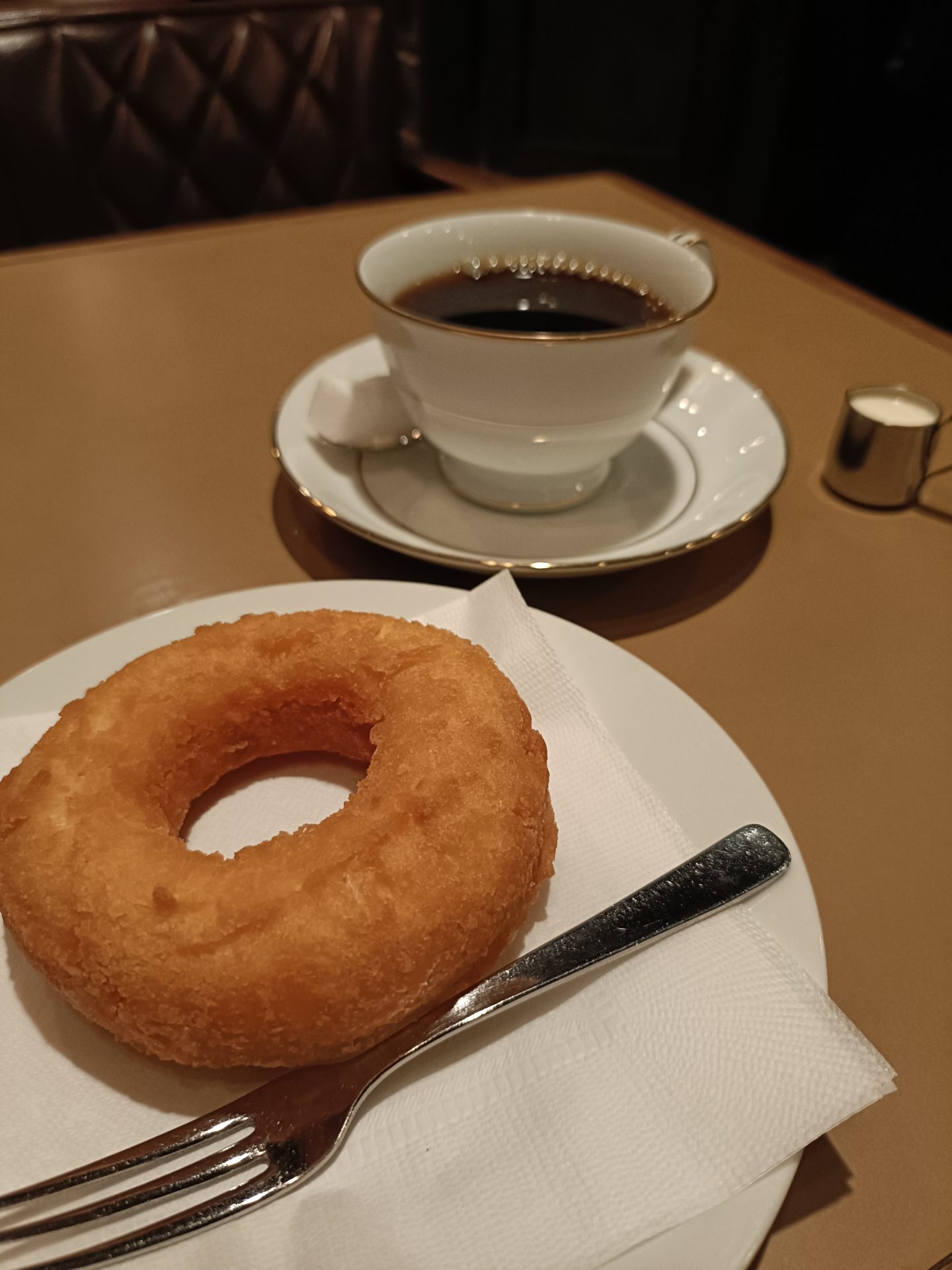
If you're going all the way, visit a place that will leave you with lasting memories! 7 Retro Cafés in Kyoto
Recently, retro-style coffee shops that make you feel as if you’ve slipped back in time to the Showa era have been attracting a lot of attention. With their vibrant colors […]
The parfaits at FUKUNAGA901 are so cute! If you're looking for exquisite sweets at Kyoto Station, this is the place to go!
Are you familiar with “FUKUNAGA901,” a shop that’s been trending on social media platforms like Instagram and YouTube […]
Enjoy a cup of coffee in the retro atmosphere of “Kaze to Coffee” in Kyoto’s Kamigyo Ward… Are the accompanying sweets tempting?
There are many tourist spots in Kyoto, but perhaps some of you would like to take a break from the bustling atmosphere from time to time […]
Terakoya Honpo’s Innovative Dango Are Amazing! Let’s Go on a Sweet Treat Tour in Arashiyama to Sample the Exquisite “Kabi Dango”
Are you enjoying sightseeing around Saga-Arashiyama, such as the Togetsukyo Bridge, Tenryu-ji Temple, and the Torokko Train? There are many tourist attractions in Saga-Arashiyama […]
Come try the giant mitarashi dango at Koto Imo Honpo! A popular choice for street food in Arashiyama♪
Have you heard of a shop called “Kotoimo Honpo,” located just off the path through the bamboo grove? Lately, it’s been on Ins […]