

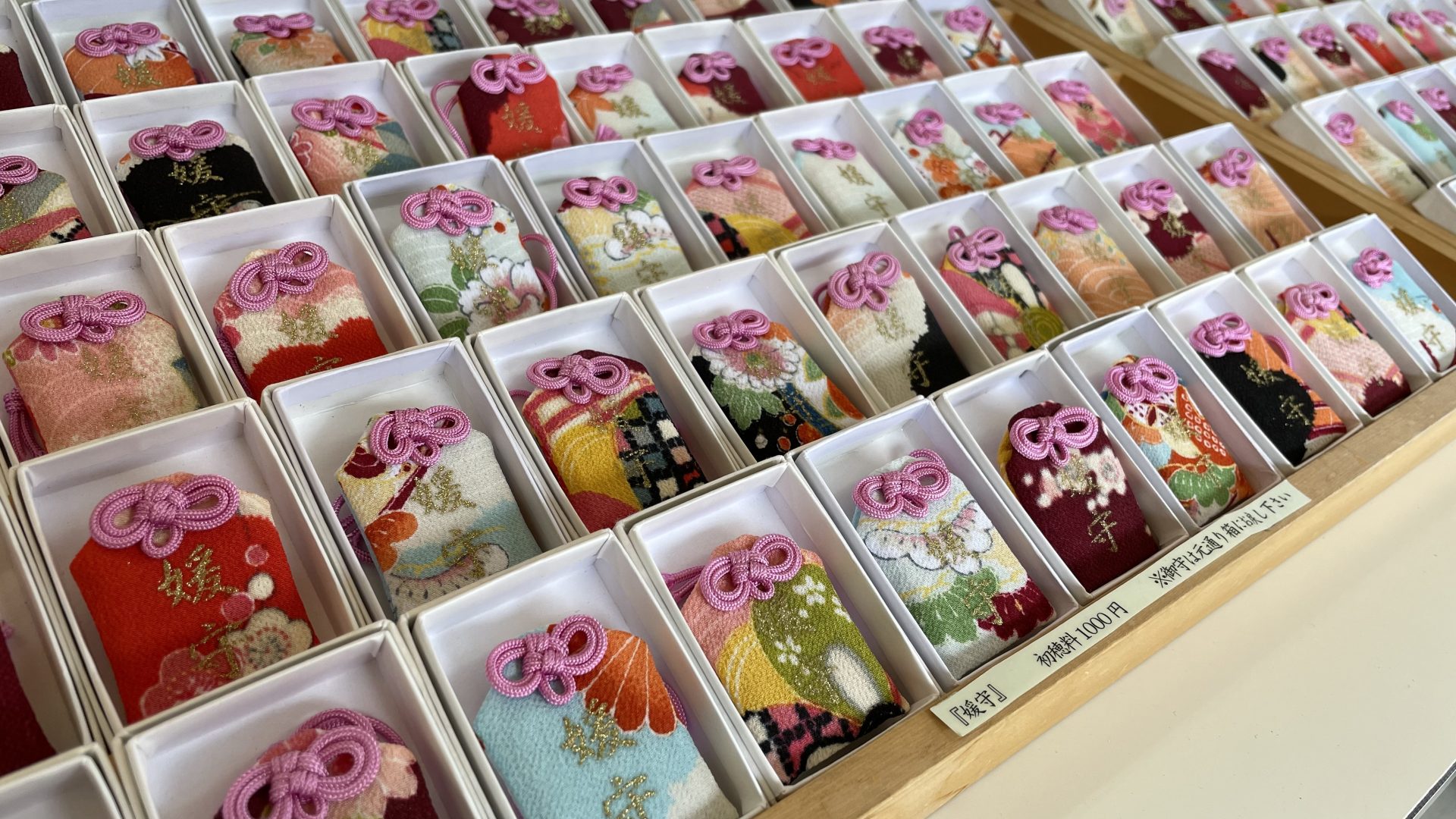
There are numerous shrines and temples in Kyoto, and one of the joys of visiting them is “choosing an omamori.”
In particular, the “Himemamori” amulet from Shimogamo Shrine, a World Heritage Site, has been gaining popularity in recent years, especially among young women.
These colorful charms, made from chirimen fabric, each feature a unique pattern and have gone viral on social media for being “way too cute.”
In this article, the KYOTREAT editorial team will take a detailed look at the charm of Hime-mori, along with the history and highlights of Shimogamo Shrine.
■About Shimogamo Shrine
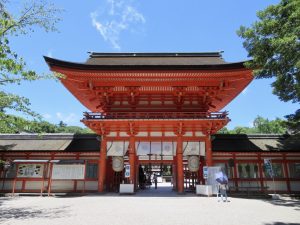
Photo: Photo AC
Shimogamo Shrine is officially known as “Kamo-mioya Shrine” and, together with Kamigamo Shrine, is listed as a UNESCO World Heritage Site as part of the “Historic Monuments of Ancient Kyoto.”
Its history is so ancient that the exact date of its founding is unknown, and it is known as one of the oldest shrines in Kyoto.
The deities enshrined here are Kamo-Takenutsumi-no-Mikoto and his daughter, Tamayori-hime-no-Mikoto. Tamayori-hime-no-Mikoto is considered Japan’s most beautiful deity and is particularly revered by women.
One place you definitely don’t want to miss within the shrine grounds is “Tadasu Forest,” a primeval forest that spreads out around the main hall.
As a precious forest preserved within the city, this area is also listed as part of a World Heritage Site.
There are also many other attractions, such as “Aioi Shrine,” known as a shrine for matchmaking; “Mitarai Pond,” said to be the birthplace of mitarashi dango; and “Sazare-ishi,” which is even mentioned in Japan’s national anthem. Every May, the area also serves as the setting for the “Aoi Festival,” one of Kyoto’s Three Great Festivals.
■ Hime-mamori Is a Huge Hit With Young Women

Photo: Photo AC
There are several gift shops on the grounds of Shimogamo Shrine, and each one features a wide array of colorful and intricately patterned amulets.
One of the most popular items is the “Hime-mori.” Made from chirimen fabric, it features a combination of colors—such as pink, red, light blue, and yellow—and patterns like stripes and floral designs; its most distinctive feature is that no two pieces have the same design.
■What is the benefit of Ehimamori at Shimogamo Shrine?
The divine blessing is "the fulfillment of one's heart's desire."
Since it isn't limited to any specific wish, you can use it to express a wide variety of wishes—from romance to work to health.
About the First Fruits Offering
According to multiple sources, the offering fee for the Hime-mori amulet is around 1,000 yen, though this amount may vary depending on the time of year. Please check the exact amount directly at the offering counter when you visit the shrine.
■There is also a "Hikomamori" version for men
While the "Hime-mori" is an amulet for women, Shimogamo Shrine also offers the "Hiko-mori," an amulet exclusively for men.
Like the Hime-mori, it is believed to grant wishes, and its distinctive feature is that it is made of denim.
It's unusual to see denim used in good-luck charms, but this one is also very popular. We recommend it as a matching item for couples or married couples.
■ Basic Information and Directions to Shimogamo Shrine
| Item | Contents |
|---|---|
| Official Name | Kamigamo Shrine (Shimogamo Shrine) |
| address (e.g. of house) | 59 Shimogamo Izumigawa-cho, Sakyo Ward, Kyoto City, Kyoto Prefecture 606-0807 |
| Phone number | 075-781-0010 |
| Gate Opening and Closing Times | Inside the Main Gate: 6:30 a.m. to 5:00 p.m. (Kawai-sha is open until 4:30 p.m.) *Hours are subject to change due to religious ceremonies and other events. |
| Closed Days | nashi (Pyrus pyrifolia, esp. var. culta) |
| Directions | About a 12-minute walk from Demachiyanagi Station on the Keihan Main Line / Right next to the “Shimogamo Shrine” city bus stop |
| Official Website | https://www.shimogamo-jinja.or.jp/ |
■ Summary
Shimogamo Shrine is one of Kyoto’s premier spiritual spots, surrounded by its World Heritage-listed shrine buildings and the primeval forest known as “Tadasu no Mori.”
In addition to the charming Hime-mori, there are plenty of other highlights, such as Aioi Shrine—known for matchmaking—and Kawai Shrine, where people pray for beauty.
Why not look for a one-of-a-kind Hime-mamori (or Hiko-mamori) as a memento of your visit?


Related PostRelated Articles

Detective Conan: A Pilgrimage to the Kyoto Locations Featured in "The Crimson Love Song" and "The Crossroads of the Labyrinth"! List [Summary]
The Detective Conan movies set in Kyoto are *A Crimson Love Letter* and *Crossroads in the Labyrinth* […]
"Rurouni Kenshin" Kyoto Pilgrimage to Famous Locations! List [Summary]
Have you heard of *Rurouni Kenshin*? Not only is there an anime series, but it’s also been adapted into a live-action movie starring Takeru Satoh, so you should definitely check it out […]
"K-ON!" Kyoto Pilgrimage to the Series' Locations! List [Summary]
Have you heard of the anime “K-ON!”? “K-ON!” is a four-panel manga series by manga artist Kaki Furai […]
A Pilgrimage to the Sacred Sites of "The Eccentric Family" in Kyoto! List [Summary]
Have you heard of the anime *The Eccentric Family*? *The Eccentric Family* is an anime adaptation of a novel by Tomihiko Morimi […]
A Pilgrimage to the Sacred Sites of *Nurarihyon's Grandson: The Thousand-Year Demon Capital* in Kyoto! List [Summary]
"Nurarihyon's Grandson," a Japanese manga by Hiroshi Shiibashi. Serialized in Weekly Shonen Jump in 2008, it features yokai as its theme […]