

Kyoto, the ancient capital of Japan. Many people may know the names of temples and shrines, but are not quite sure of their location within Kyoto City.
If you have come all the way to Kyoto, you want to do your sightseeing in an efficient manner.
Therefore, we would like to introduce areas with many sightseeing spots within Kyoto City, divided by ward.
The area introduced here is the relatively southern part of Kyoto City, which can be roughly divided into two parts, north and south. The area is easily accessible from Kyoto Station in Shimogyo-ku, the gateway to Kyoto, so even if your stay in Kyoto is short, it is easy to get around the city.
The second edition, the North Area edition, will bethis way (direction close to the speaker or towards the speaker)Please visit us at *.
Table of Contents
■Dongshan District
1. Kiyomizu Temple
2. Yasaka Shrine
3. Kyoto National Museum
4. Kamogawa River
5. Hanami Koji
■Chukyo-ku, Tokyo
1. Honnoji Temple
2. Shinsen-en
3. Nijo Castle
4. Rokkakudo
5. Hozo-ji Temple
Shimogyo Ward
1. Higashi Hongwanji Temple
2. Bukko-ji Temple
3. Nishi Hongwanji Temple
4. Ichihiru Shrine
5.Inaba-do
■South District
1. Toji Temple
2. Rokuson-o Shrine
3. Kanchiin Temple
4. Rajomon Gate Ruins
5. Fushimi Inari-taisha Shrine Otabisho
■ Summary
■Dongshan District
1. Kiyomizu Temple
Kiyomizu-dera Temple is the first place that cannot be missed when sightseeing in Higashiyama-ku. Kiyomizu-dera Temple has a long history, having appeared in The Pillow Book and The Tale of Genji. Many tourists visit the temple to pray for good marriage, good fortune, good health, success in life, and childbirth.
It is said that Kiyomizu-dera Temple was founded in 778 when Enchin Shonin enshrined the Thousand-Armed Kannon at Otowa Falls.
The temple grounds cover 130,000 square meters, and within the grounds you can see the changing of the seasons and Buddhist images such as the main deity, the eleven-faced thousand-armed Avalokitesvara Bodhisattva.
Many of the buildings were reconstructed in the early Edo period, and in 1994 they were registered as a UNESCO World Heritage Site as cultural assets of the ancient capital of Kyoto.
Otowa Falls fall in three different directions, each with its own benefits, such as prolonging life and love.
The main hall with the most famous Kiyomizu-no-butai (stage of Kiyomizu) rises on a steep slope and is an impressive sight.
Wooooooooooooooooooooooooooooooooooooooooooooooooooooooooooo!
■Shimizu Temple
HP:https://www.kiyomizudera.or.jp/
Address: 1-294 Kiyomizu, Higashiyama-ku, Kyoto-shi, Kyoto
Access: about 25 minutes walk from "Kiyomizu Gojo Station" of Keihan Electric Railway
2. Yasaka Shrine
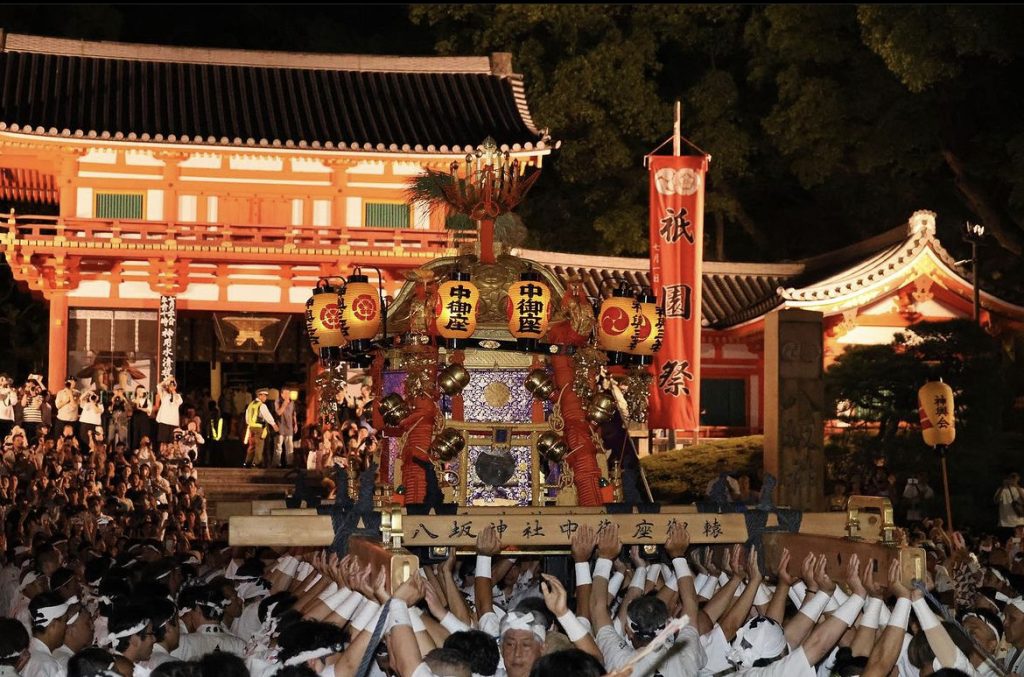
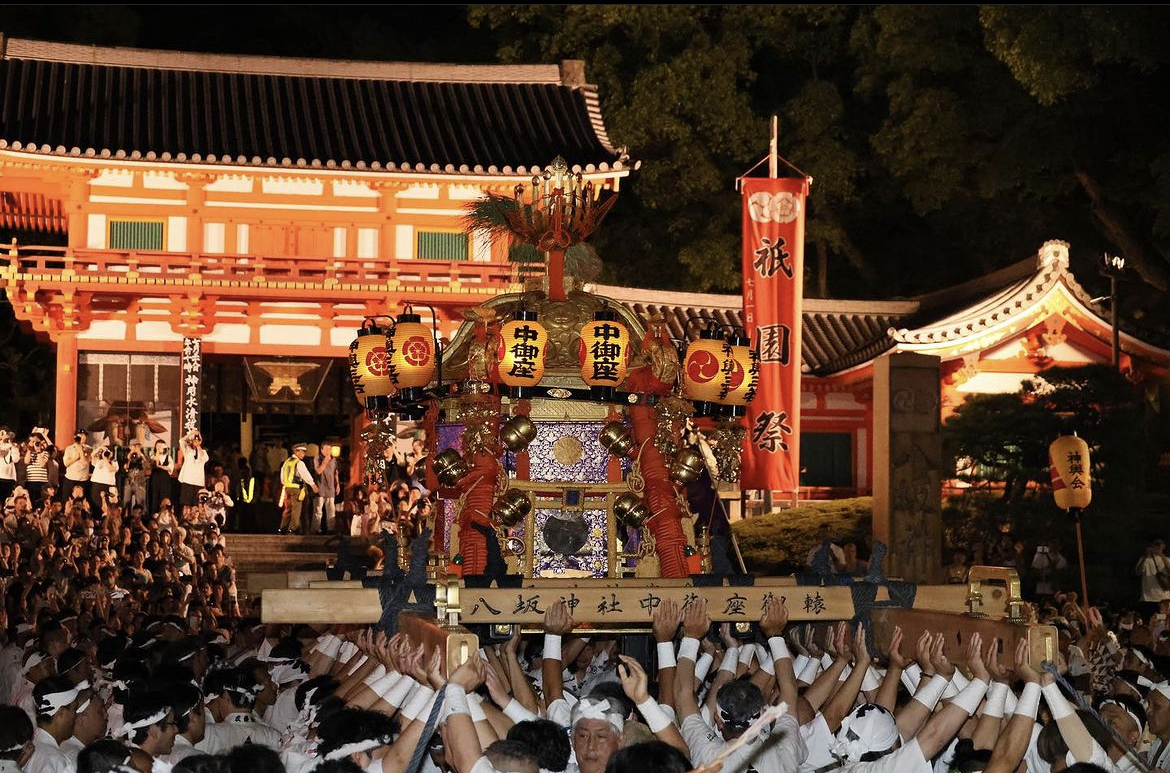
Yasaka Shrine is located on the east side of Kyoto. Also known as "Gion-san," it is the head shrine of 3,000 shrines throughout Japan.
The shrine is said to be blessed with the power to ward off epidemics and to protect people from illness and misfortune, and there are several auxiliary shrines enshrined within its precincts. The Gion-zukuri architectural style of the main shrine is rare and is designated as an important cultural property.
Wooooooooooooooooooooooooooooooooooooooooooooooooooooooooooo!
■Yasaka Shrine
HP:https://www.yasaka-jinja.or.jp/
Address: 625 Gion-cho, Higashiyama-ku, Kyoto-shi, Kyoto
Access: about 5 minutes walk from "Gion-Shijo Station" of Keihan Electric Railway
3. Kyoto National Museum
The Kyoto National Museum preserves, exhibits and researches cultural properties mainly from the culture of Kyoto during the Edo period (1603-1868).
The museum contains 27 national treasures and 181 important cultural properties, including paintings, crafts, calligraphy, and sculptures, and visitors can see many cultural assets just by visiting the museum.
In addition to the permanent exhibition, there are also special exhibitions focusing on people associated with Kyoto.
Wooooooooooooooooooooooooooooooooooooooooooooooooooooooooooo!
■Kyoto National Museum
HP:https://www.kyohaku.go.jp/jp/
Address: 527 Chayamachi, Higashiyama-ku, Kyoto-shi, Kyoto
Access: A short walk from "Museum, Sanjusangendo-mae" bus stop on City Bus No. 206.208 from JR Kyoto Stn.
4. Kamogawa River
The river runs north-south to the confluence of the Katsura River, which is about 23 km long.
Many people visit the area as a walking course and a place for relaxation, and it is also popular among couples.
Nearby restaurants allow visitors to dine while enjoying the view of the Kamo River and its murmuring streams.
Wooooooooooooooooooooooooooooooooooooooooooooooooooooooooooo!
■ Kamogawa
Address: Near Sanjo Ohashi, Ohashi-cho, Higashiyama-ku, Kyoto City, Kyoto
Access: about 5 minutes walk from Hankyu Railway "Kawaramachi" station
5. Hanami Koji
Hanamikoji is a street running north-south in Kyoto City, extending approximately 1 km from Sanjo Street in the north to Kenninji Temple in the south.
The southern side is lined with many teahouses and restaurants, and the teahouse district is a highlight of the area; in 2001, utility poles were buried underground and cobblestone pavement was laid to give the area a more Kyoto-like appearance.
On the other hand, the north side is lined with bars and snack bars, so a visit at night is recommended.
Wooooooooooooooooooooooooooooooooooooooooooooooooooooooooooo!
■Hanami Koji
Address: South side of Gion-cho, Higashiyama-ku, Kyoto-shi, Kyoto
Access: Take Kyoto city bus from Kyoto Ekimae, get off at "Gion" and walk about 5 minutes.
■Chukyo-ku, Tokyo
1. Honnoji Temple
The Daihonzan Honnoji Temple was created by Saint Nichiryu in 1415, in the 22nd year of the Oei Era.
The head temple of the Honmon school of the Hokke school of Buddhism, the temple was then called Hon'oji, but was rebuilt in 1433 when Nyoiomaru donated land to the Shijo Bomon. At that time, the temple was renamed Honnoji.
In school textbooks, the temple is mentioned as the setting of the "Honnoji Incident," in which Oda Nobunaga is said to have been killed by Akechi Mitsuhide, and is well known among people of all ages.
Wooooooooooooooooooooooooooooooooooooooooooooooooooooooooooo!
■Honnoji
HP:https://www.kyoto-honnouji.jp/
Address: 522 Honnonji-mae-cho, Teramachi-dori Oike-sagaru, Nakagyo-ku, Kyoto-shi, Kyoto
Access: A short walk from "Shiyakusho-mae" station on the Subway Tozai line
2. Shinsen-en
It is the oldest garden in Kyoto, a "forbidden garden" for the emperor, built adjacent to the Heian-kyo Imperial Palace's Great Inner Palace. Surrounded by numerous natural features such as streams and forests, it is also said to be a large pond where the dragon god lives.
At Hosei Bridge, if you cross it thinking of a wish and pay a visit to Zenjo Ryuohshie, your wish will come true.
Wooooooooooooooooooooooooooooooooooooooooooooooooooooooooooo!
Shinsen-en
HP:http://www.shinsenen.org/index.html
Address: 167 Monzen-cho, Nakagyo-ku, Kyoto-shi, Kyoto
Access: 10 min. walk from Hankyu "Shijo-Omiya" station
3. Nijo Castle
Nijo Castle was built in 1603 by Tokugawa Ieyasu, the first shogun of the Edo Shogunate, as a place to stay when he went to Kyoto. Later, Iemitsu Tokugawa Iemitsu, the third shogun, made major renovations to bring the castle to its present state in order to welcome Emperor Gomizuo.
Nijo Castle is designated as a national historic site, and other important cultural properties and special scenic spots can be enjoyed with Ninomaru Goten, Honmaru Goten, and Ninomaru Garden.
Wooooooooooooooooooooooooooooooooooooooooooooooooooooooooooo!
Nijo Castle
HP:https://nijo-jocastle.city.kyoto.lg.jp/
Address: 541 Nijojo-machi, Nijo-dori Horikawa-nishiiru, Nakagyo-ku, Kyoto-shi, Kyoto
Access: about 2 minutes walk from Subway Tozai Line "Nijojo-mae Stn.
4. Rokkakudo
Rokkakudo is located near Karasuma-Oike Station. Although the temple's official name is Shiyunsan Chōhō-ji Temple, it is called "Rokkakudo" because of its distinctive hexagonal roof.
It is said to have been founded by Prince Shotoku in 587. The hexagonal shape of the temple is said to have been created by a wish that people would be happy if they could renounce the six desires arising from the eyes, ears, nose, tongue, body, and will.
It is also known as the 18th temple of the Saigoku Sanjusanjyusho Tourist Sacred Ground of Kannon.
Wooooooooooooooooooooooooooooooooooooooooooooooooooooooooooo!
■Rokkakudo
HP:https://www.ikenobo.jp/rokkakudo/
Address: Dounomae-cho, Rokkaku-dori Higashinotoin Nishiiru, Nakagyo-ku, Kyoto-shi, Kyoto
Access: about 3 minutes walk from Karasuma-Oike Sta. of Kyoto Municipal Subway.
5. Hozo-ji Temple
Hozoji Temple, formerly the mountain residence of the Nijo family, is a temple of the Nishiyama Fukakusa school of the Jodo sect and is dedicated to the Amitabha Nyorai. The temple is associated with Ito Wakaoki, and many tourists visit for Wakaoki's "red seal book.
Wooooooooooooooooooooooooooooooooooooooooooooooooooooooooooo!
■Hozo-ji Temple
HP:http://www.houzou-ji.jp/
Address: 587 Uradera-machi, Takoyakushi Kamigamaru, Uradera-machi Dori, Nakagyo-ku, Kyoto City, Kyoto
Access: 10 min. walk from Utano Sta. on the Ranzan Line
Shimogyo Ward
1. Higashi Hongwanji Temple
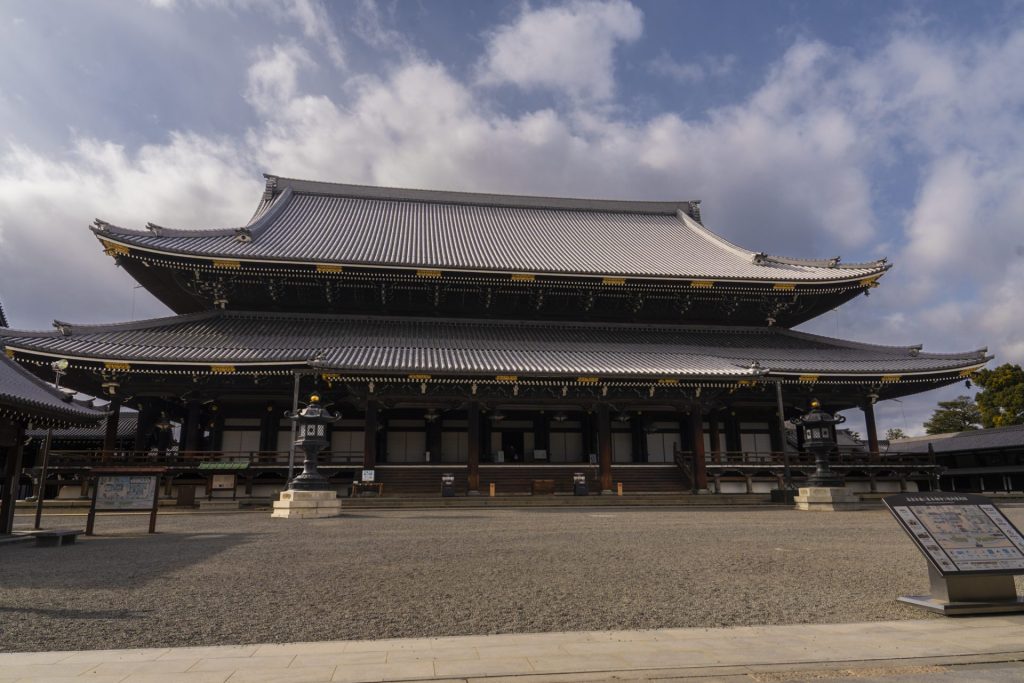
The building is large and the entrance gate is very impressive. It is the head temple of the Otani sect of Shinshu, one of the Jodo Shin sects.
The temple's official name is "Shinshu Hongyo," which means "Shrine of the True Religion.
This wooden structure is said to be one of the largest in the world, with 927 tatami mats inside the hall.
The gate, a double gate of wooden construction, is said to be the tallest in Japan. The Mikageido and Amida Hall are also highlights of the temple.
Wooooooooooooooooooooooooooooooooooooooooooooooooooooooooooo!
Higashi Hongwanji Temple
HP:https://www.higashihonganji.or.jp/
Address: Shichijo Kamigaru, Karasuma-dori, Shimogyo-ku, Kyoto-shi, Kyoto
Access: about 7 minutes walk from JR "Kyoto Station
2. Bukko-ji Temple
Bukko-ji Temple is the head temple of the Bukko-ji School of Shinshu Buddhism.
The temple was originally founded in Yamashina in 1212 by his great disciple Genkaijin when Shinran Shonin returned to Kyoto after being exiled to Echigo.
Although sometimes written in the new script as "Bukko-ji Temple," the temple's official name is "Bukko-ji Temple.
The statue of Prince Shotoku enshrined in the Amida Hall is also designated as an important cultural property.
Wooooooooooooooooooooooooooooooooooooooooooooooooooooooooooo!
■Bukko-ji Temple
HP:https://www.bukkoji.or.jp/
Address: Shinkokaicho, Futsugouji-sagaru, Takakura-dori, Shimogyo-ku, Kyoto City, Kyoto Prefecture, Japan
Access: about 2 minutes walk from "Shijo" station of municipal subway
3. Nishi Hongwanji Temple
Nishi Honganji Temple is known locally as Onishi-san. It is the head temple of the Honganji sect of Shinshu Jodo, and is designated as a World Heritage site, attracting many tourists every year.
There are designated national treasures and national important cultural properties such as the Mikageido, Amida Hall, Belfry, and the statue of Prince Shotoku in color on silk.
The Karamon Gate, a national treasure, also known as "Nipporimon," is a must-see.
Wooooooooooooooooooooooooooooooooooooooooooooooooooooooooooo!
Nishi Hongwanji Temple
HP:https://www.hongwanji.kyoto/
Address: Honganji-monzenmachi, Hanaya-cho-sagaru, Horikawa-dori, Shimogyo-ku, Kyoto-shi, Kyoto
Access: Approximately 20 minutes walk from JR "Kyoto Station
4. Ichihiru Shrine
Ichihiru Shrine is said to bring good luck in marriage, childbirth, and childbirth.
It was founded in 795 by the order of Emperor Kanmu.
All five deities are female, and the shrine is famous as a women's shrine that is rare in Japan.
There is a hime mikuji named "Hime" in the omikuji available just inside the shrine.
The round and round shape is so cute that you can't help but want to pick it up.
Wooooooooooooooooooooooooooooooooooooooooooooooooooooooooooo!
■ Ichihiru Shrine
HP:https://ichihime.net/
Address: Ichijime-nishi-iru, Kawaramachi-Gojo-sagaru, Shimogyo-ku, Kyoto-shi, Kyoto
Access: about 10 minutes walk from Gojo Station (Subway Karasuma Line)
5.Inaba-do
Inbando, popularly known as Inaba Yakushi, is officially called "Byodo-ji Temple" and is a temple of the Chizan School of the Shingon sect of Buddhism.
The temple is also well known in Kyoto as a temple that offers blessings to ward off cancer.
Inmandou has also recently been attracting attention for the cute good luck charms and red seal books that it offers.
The amulets with designs of paper birds and parakeets are so cute.
Wooooooooooooooooooooooooooooooooooooooooooooooooooooooooooo!
■Inawata-do
HP:https://inabado.jp/
Address: 728, Inwando-cho, Matsubara-dori Karasuma Higashi-iru, Shimogyo-ku, Kyoto-shi, Kyoto
Access: about 5 minutes walk from Gojo Station (Subway Karasuma Line)
■South District
1. Toji Temple
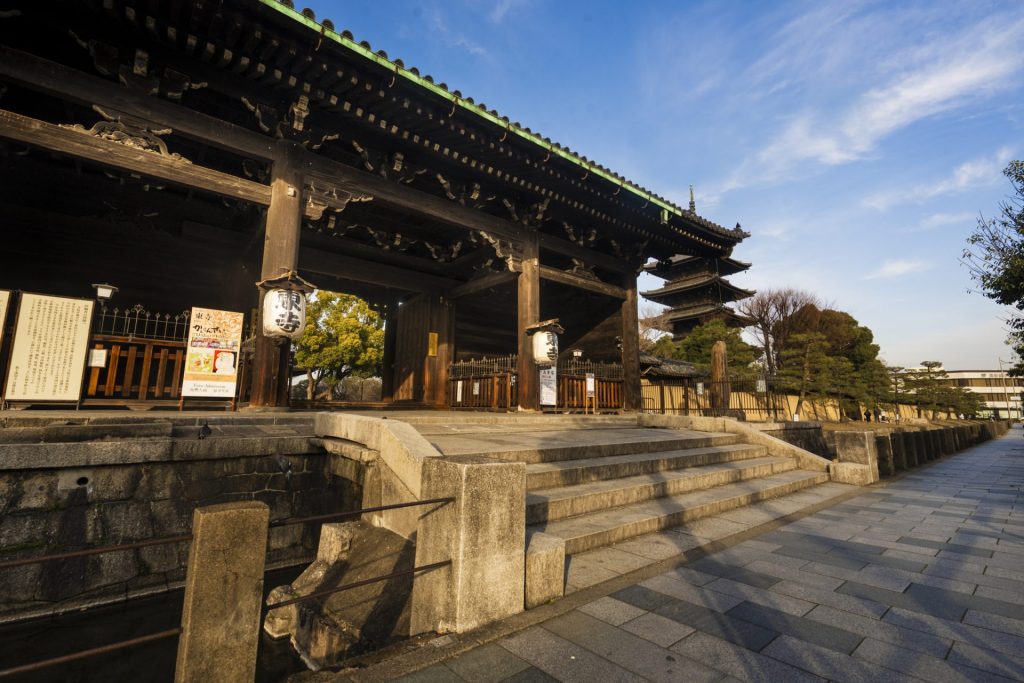
Toji Temple is the representative temple of Minami Ward. It is a national temple built with the relocation of the capital to Heian-kyo, and its official name is "Kyoo Gokokuji Temple. It is the only existing temple that is a relic of Heian-kyo, and has many national treasures and important cultural properties such as Kondo and Daishi-do.
The famous "five-story pagoda," in particular, is the tallest wooden structure in Japan at 54.8 meters.
It was the first esoteric Buddhist temple in Japan and became the fundamental center of Shingon Esoteric Buddhism.
In the spring and fall seasons, the temple is illuminated by a special open house, and the approximately 200 cherry trees and autumn leaves are spectacular.
Wooooooooooooooooooooooooooooooooooooooooooooooooooooooooooo!
■Toji Temple
HP:https://toji.or.jp/smp/
Address: 1 Kujo-cho, Minami-ku, Kyoto-shi, Kyoto
Access: about 15 minutes walk from JR "Kyoto Station
2. Rokuson-o Shrine
The shrine is dedicated to Minamoto no Tsuneki, grandson of Emperor Seiwa, and was built in the mid-Heian period.
Together with Tada Shrine and Tsuboi-Hachimangu Shrine, it is one of the three shrines of the Genji clan.
In spring, cherry blossoms, including Someiyoshino cherry trees, bloom in profusion and color the precincts of the shrine. The "Koi (carp) Bridge" is a popular place to cross for good luck, so be sure to cross it when you visit.
Wooooooooooooooooooooooooooooooooooooooooooooooooooooooooooo!
■Rokuson-o Shrine
HP:http://www.rokunomiya.ecnet.jp/
Address: 509 Hachijo-cho, Hachijo-Agaru, Mibu-Dori, Minami-ku, Kyoto City, Kyoto
Access: JR Kyoto Stn., Kyoto City Bus No.16, about 1 min. walk from Rokusono-jinja-mae bus stop.
3. Kanchiin Temple
Founded in 1359 during the Northern and Southern Dynasties, Kanchiin is a tower temple (tachu) within the precincts of To-ji Temple, a World Heritage site that houses many esoteric Buddhist sacred texts and documents related to To-ji Temple.
The Kyakuden is designated as a national treasure, and the main hall, storehouse, and shoin are also in the Edo period architectural style.
Please take a look at the "Hawk" and "Bamboo Forest" painted by Miyamoto Musashi in the upper room of the guest hall.
Wooooooooooooooooooooooooooooooooooooooooooooooooooooooooooo!
■Kanchiin
HP:https://toji.or.jp/smp/guide/kanchiin/
Address: 403 Kujo-cho, Hachijo Omiya Nishiiru, Minami-ku, Kyoto City, Kyoto
Access: 10 minutes walk from Toji Sta. on the Kintetsu Kyoto Line
4. Rajomon Gate Ruins
The Rajomon Ruins are now a children's park, and a stone monument, "Rajomon Ruins," stands in the park.
Rajomon Gate, which was the main gate at the southern end of Suzakuoji Avenue, was built when the capital was moved to Heian-kyo in 794.
It was destroyed by a storm in 980 and later fell into disrepair, but it is also depicted in "Konjaku Monogatari Shu" and Ryunosuke Akutagawa's "Rashomon".
Please ponder the history as you look at the stone monuments.
Wooooooooooooooooooooooooooooooooooooooooooooooooooooooooooo!
Rajomon Gate Ruins
Address: Hanazono Children's Park, Karahashi Rajomon-cho, Minami-ku, Kyoto-shi, Kyoto
Access: JR "Kyoto Station", take city bus No. 78 or 208, get off at "Rashomon", and walk about 3 minutes.
5. Fushimi Inari-taisha Shrine Otabisho
The Fushimi Inari Taisha Goryosho is located near Toji Temple. This was originally located in two places in Shimogyo-ku, Hachijo Bomon Inokuma and Shichijo Abura-no Koji, but was consolidated to its current location after 1573 by order of Hideyoshi Toyotomi.
The "Inari Festival" held every year from late April to early May is lined with food stalls and attracts many visitors. During the festival, red seals are available for a limited time, so this is a good time to visit.
Wooooooooooooooooooooooooooooooooooooooooooooooooooooooooooo!
Fushimi Inari-taisha shrine, Otabisho
Address: 98 Ikenouchi-cho, Nishikujo, Minami-ku, Kyoto-shi, Kyoto
Access: about 6 minutes walk from Toji Sta. of Kintetsu Railway
■ Summary
■ Summary
How was it?
In this issue, we have introduced some recommended sightseeing spots in Kyoto City and South area.
And other area attractions.this way (direction close to the speaker or towards the speaker)Please take a look at the summary in the following section.


Related PostRelated Articles
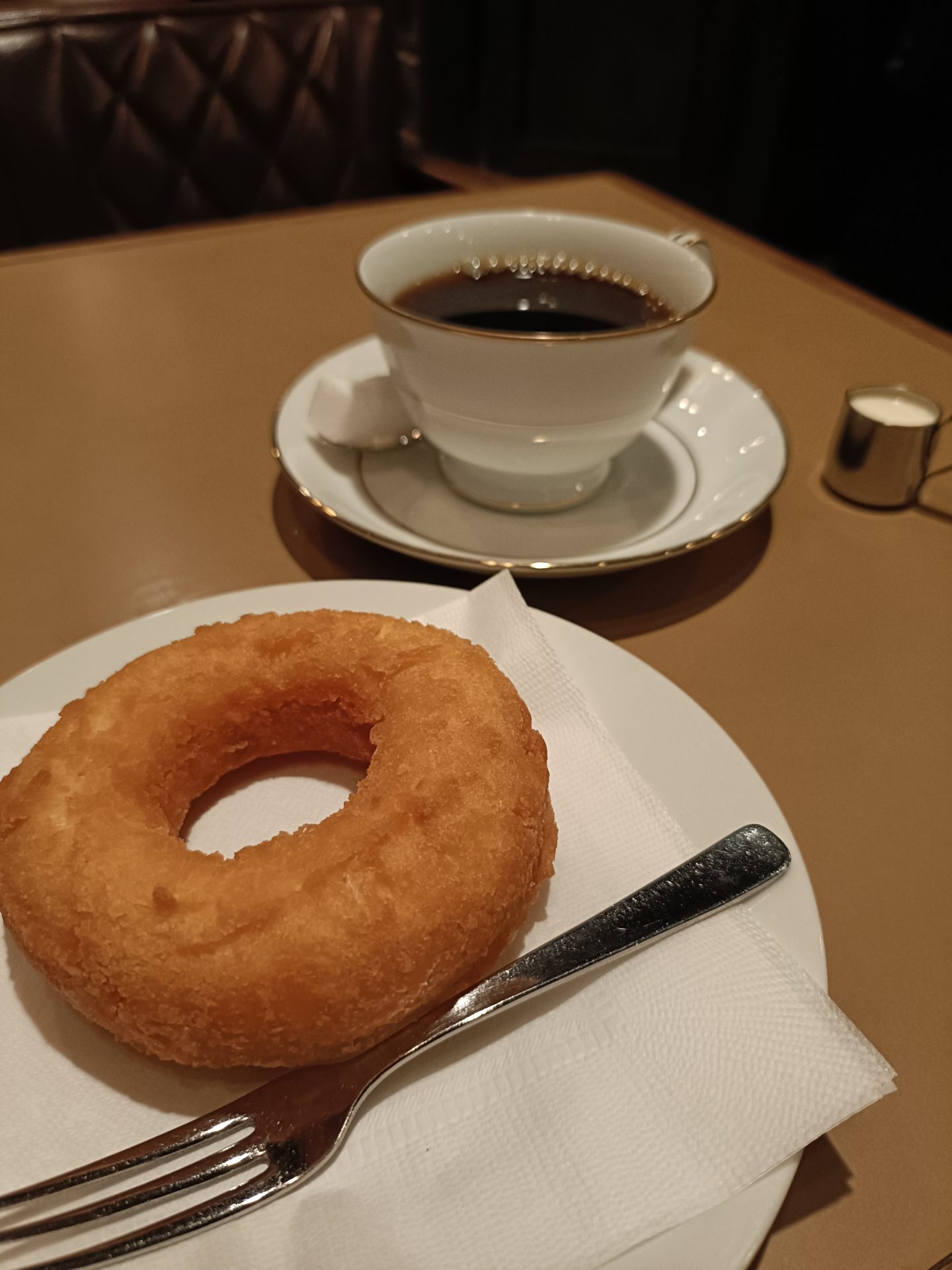
If you're going all the way, visit a place that will leave you with lasting memories! 7 Retro Cafés in Kyoto
Recently, retro-style coffee shops that make you feel as if you’ve slipped back in time to the Showa era have been attracting a lot of attention. With their vibrant colors […]

The parfaits at FUKUNAGA901 are so cute! If you're looking for exquisite sweets at Kyoto Station, this is the place to go!
Are you familiar with “FUKUNAGA901,” a shop that’s been trending on social media platforms like Instagram and YouTube […]
The signature dish at Muge Sanbo in Kyoto—the ”Ultra-Rich Matcha Parfait”—is absolutely delicious! If you want to experience the true essence of Kyoto, this is the place to go!
Have you heard of a shop called “Muge Sanbo,” whose signature dish is a parfait made with matcha that’s quintessentially Kyoto […]
Detective Conan: A Pilgrimage to the Kyoto Locations Featured in "The Crimson Love Song" and "The Crossroads of the Labyrinth"! List [Summary]
The Detective Conan movies set in Kyoto are *A Crimson Love Letter* and *Crossroads in the Labyrinth* […]
What is “Minori Cafe” in Shimogyo Ward, Kyoto? Their parfaits and desserts are delicious♡
Have you heard of a café called “Minori Café,” located right near Kyoto Station? Here, you can enjoy seasonal desserts and treats from famous shops […]