


This is the second in a series of articles introducing Kyoto's sightseeing spots divided by “district! If you know the names of temples and shrines familiar to you from history textbooks, but are not quite sure where they are located within Kyoto City, this is a good place to start.
By understanding the relationship between locations, you will definitely be able to sightsee more efficiently.
Click here to view the first issue. →directional marker or indicatorhttps://kyotreat.jp/post-2893/ -Recommended sightseeing spots in Kyoto by area - Higashiyama-ku / Nakagyo-ku / Shimogyo-ku / Minami-ku
This second installment of the "Kyoto City Tour" covers the relatively northern part of Kyoto City, which can be roughly divided into two parts, north and south. This is an area that you should take your time to explore by bus or subway from "Kyoto Station" located in Shimogyo-ku, the gateway to Kyoto, so please read to the end to find a spot that interests you.
Table of Contents
■Kamigyo-ku
1. Kyoto Imperial Garden
2. Shokokuji Temple
3. Goho Shrine
4. Eight Shrines of the Great Shogun
5. Kyoto Imperial Palace
■Sakyo-ku
1. Ruriko-in Temple
2. Heian Shrine
3. Kibune Shrine
4. Nanzenji Temple
5. Mt. Kurama
■Northern District
1. Kinkakuji Temple
2. Kenko Shrine
3. Genkoan
4. Kamigamo Shrine
5. Imamiya Shrine
■Ukyo-ku
1. Ryoanji Temple
2. Atago Shrine
3. Tenryuji Temple
4. Koryuji Temple
5. Gionji Temple
■ Summary
■Kamigyo-ku
1. Kyoto Imperial Garden
The "Kyoto Gyoen" is a vast site covering an area of approximately 65 hectares.
This national park is open to all, and the main attractions are the Imperial Palace and Kujo Pond.
Although it is an urban park, one of its features is that visitors can get in touch with nature. Not only planted trees, but also various plants and trees that change with the seasons grow wild, and many living creatures can be seen.
There are also tennis courts and a plaza, so both children and adults can play physically.
You can also visit the Kanyin Palace Site Storage and Exhibition Hall on the grounds, where you can see exhibits on the nature and history of the Kyoto Gyoen.
Wooooooooooooooooooooooooooooooooooooooooooooooooooooooooooo!
■Kyoto Gyoen
HP:https://fng.or.jp/kyoto/
Address: 3 Kyoto Gyoen, Kamigyo-ku, Kyoto-shi, Kyoto
Access: Municipal Subway Karasuma Line "Marutamachi" station, about 5 minutes on foot
2. Shokokuji Temple
Shokokuji Temple is the main temple of the Shokokuji School of the Rinzai Sect of Zen Buddhism, and its official name is Mannensan Sangoku Jotenji Temple. It is a famous temple ranked second among the five temples of Kyoto. The word "Shokoku" in Shokokuji means to help or govern a country.
It is said that Ashikaga Yoshimitsu, the third shogun of the Muromachi Shogunate, founded the temple at the end of the 14th century, and it is a Zen temple associated with the Ashikaga shoguns and the families of the Fushimi and Katsura palaces.
The existing Dharma Hall was rebuilt in 1605, and is the oldest surviving Dharma Hall in Japan.
The Hodo was donated by Toyotomi Hideyori and is designated as an important cultural property.
Wooooooooooooooooooooooooooooooooooooooooooooooooooooooooooo!
■Sokokuji Temple
HP:https://www.shokoku-ji.jp/
Address: 701 Sokokuji-monzen-cho, Karasuma Higashi-iru, Imadegawa-dori, Kamigyo-ku, Kyoto-shi, Kyoto
Access: about 5 minutes on foot from Imadegawa Sta. on the Subway Karasuma Line
3. Goho Shrine
Goo Shrine is dedicated to Wake-no-Kiyomaro, who contributed to the establishment of the Heian-kyo capital.
Famous for its blessings for the feet and legs, many people visit the temple to pray for recovery from foot and leg ailments and injuries, health, and safety.
Goho Shrine is also called the "Myojin" (god of child-rearing) because Wake Hiromushi, sister of Wake Kiyomaro, was involved in a project to help orphans.
The shrine is also known as "Inoshishi Shrine" because many guardian boars can be seen in the shrine grounds due to the legend that when Kiyomaro Wake was attacked by assassins, he was saved by 300 wild boars.
Wooooooooooooooooooooooooooooooooooooooooooooooooooooooooooo!
■Gouo Shrine
HP:http://www.gooujinja.or.jp/
Address: 385 Sakurazuruen-cho, Shimochojo-shita-machi, Karasuma-dori, Kamigyo-ku, Kyoto-shi, Kyoto
Access: about 7 minutes walk from Marutamachi Sta. on Subway Karasuma Line
4. Eight Shrines of the Great Shogun
The shrine is said to have been dedicated by Emperor Kanmu in Enryaku 13 for the protection of the royal castle, Hoshin Dajo.
The eight shrines of the Oshogun were called Oshogun-do at that time.
There are 80 statues of the Shogun's deities in the Houtoku-den Hall, which is also designated as an important cultural property.
Wooooooooooooooooooooooooooooooooooooooooooooooooooooooooooo!
■Taishogun Eight Shrines
HP:http://www.daishogun.or.jp/
Address: 48 Nishi-cho, Ichijo-dori Gozen-nishiiru, Kamigyo-ku, Kyoto-shi, Kyoto
Access: about 7 minutes walk from "Kitano Hakubai-cho" station of Keifuku Line
5. Kyoto Imperial Palace
The building is located in the north central part of the Kyoto Imperial Garden. It was the residence of the emperor until the Meiji Restoration, when Emperor Kammu moved Heian-kyo to the capital in 794.
Shikikinden, one of the most prestigious buildings in the Kyoto Imperial Palace, was built in the Heian period (794-1192) architectural style.
The Kyoto Imperial Palace still plays a role in the reception of state guests and the Kyoto Tea Ceremony, and within the grounds you can take a peek into the Oike Garden, a circular garden, and enjoy the plants of the four seasons.
The architectural style of the building is also notable for its history.
Wooooooooooooooooooooooooooooooooooooooooooooooooooooooooooo!
Kyoto Imperial Palace
HP:https://sankan.kunaicho.go.jp/guide/kyoto.html
Address: Kyoto Gyoen, Kamigyo-ku, Kyoto-shi, Kyoto
Access: about 5 minutes walk from Imadegawa Station (Subway Karasuma Line)
■Sakyo-ku
1. Ruriko-in Temple
Ruriko-in Temple is a Jodo Shinshu temple and is normally closed to the public. However, it is open to the public for a limited time in the spring when the green maple trees are in full bloom and in the fall when the leaves turn red, and is known as a popular tourist destination where waiting several hours is commonplace.
The sukiya-style shoin was created by master craftsman Sotoni Nakamura.
The highlight of the Ruri no Niwa garden is the moss carpet, which makes you feel as if you have come to another world.
Enjoy the colorful scenery of red, yellow, and green that changes with the seasons.
Wooooooooooooooooooooooooooooooooooooooooooooooooooooooooooo!
■Rurikouin
HP:https://rurikoin.komyoji.com/
Address: Ruriko-in Temple, 55 Higashiyama, Koya, Sakyo-ku, Kyoto-shi, Kyoto
Access: about 5 minutes walk from "Yase-Hieiyamaguchi Station" of Eizan Railway
2. Heian Shrine
Heian Jingu Shrine is characterized by a large torii gate. The shrine was built in 1895 to commemorate the 1,100th anniversary of the relocation of the capital to Heian.
The Otorii, the symbol of Okazaki, was built to commemorate the Emperor Showa's grand ceremony and later became an important cultural property.
Visitors can enjoy the changing seasons in the pond garden on the grounds, and the autumn leaves and weeping cherry trees are also popular.
You can also see other important cultural assets such as Daigoku-den, Souryuro, and Byakkouro.
Wooooooooooooooooooooooooooooooooooooooooooooooooooooooooooo!
■Heian Jingu
HP:http://www.heianjingu.or.jp/
Address: 97 Okazaki Nishitenno-cho, Sakyo-ku, Kyoto-shi, Kyoto
Access: 7 min. walk from Higashiyama Sta. on the Subway Tozai Line
3. Kibune Shrine
The head shrine of Kibune Shrine, of which there are several thousand throughout Japan, is located here in Sakyo-ku.
The Yusha Shrine, located between the main shrine and the inner shrine, is dedicated to the deity Bancho Hime no Mikoto and is believed to be a god of marriage.
It was already founded about 1,300 years ago, so it can be said to be one of the oldest shrines in the world.
Wooooooooooooooooooooooooooooooooooooooooooooooooooooooooooo!
Kibune Shrine
HP:https://kifunejinja.jp/
Address: 180 Kurama Kibune-cho, Sakyo-ku, Kyoto-shi, Kyoto
Access: about 30 minutes walk from Kibunekuchi Station of Eizan Railway
4. Nanzenji Temple
Nanzenji Temple was originally founded in 1291 by Museki Fumon, who established the Zenrinji-den, a detached palace of the Kameyama Hōhō Emperor.
There are also many important cultural assets such as the sliding door painting "Tiger of the Water Swallowing" by Kano Tanyu, which is a must-see.
In particular, the Suijikaku (waterway pavilion) is considered a must-see for its autumn foliage, as well as the karesansui (dry landscape) garden that is representative of the early Edo period.
You will feel refreshed while listening to the sound of Biwako Sosui in the precincts of the temple.
Wooooooooooooooooooooooooooooooooooooooooooooooooooooooooooo!
■Nanzenji Temple
HP:https://www.nanzenji.or.jp/
Address: 86 Nanzenji Fukuchi-cho, Sakyo-ku, Kyoto-shi, Kyoto
Access: 3 min. walk from "Keage" station on Subway Tozai line
5. Mt. Kurama
Kurama at an elevation of 584 meters. Kurama is popular for its cherry blossoms in the spring and autumn leaves in the fall, making it a beautiful natural setting for walking.
It is also famous as a power spot, with the Maouden (Hall of the Devil) where Goho Maoudon is said to have descended from Venus 6.5 million years ago. The legend of Ushiwakamaru, who is said to have learned martial arts from a tengu, remains on the mountain, so you can enjoy the mysterious atmosphere and power of the mountain.
Wooooooooooooooooooooooooooooooooooooooooooooooooooooooooooo!
Mt. Kurama
Address: Sakyo-ku, Kyoto-shi, Kyoto
Access: 30 min. walk from Kuramadera Sta. of Eizan Railway
■Northern District
1. Kinkakuji Temple
Kinkakuji Temple is the most famous temple in Kita-ku, Kyoto.
Kinkakuji Temple is a temple of the Shokokuji School of the Rinzai Sect, and its official name is Rokuonji Temple.
Kinkakuji Temple dates back to the Kamakura period when Ashikaga Yoshimitsu, the third shogun of the Muromachi Shogunate, took over the villa of Saionji no Kitsune and built Kitayama-den, a mountain villa.
Kitayama-den was converted to a Zen temple after the death of Ashikaga Yoshimitsu and called "Rokuon-ji.
The temple has been destroyed by the Onin War and arson, but has been rebuilt each time and is now a UNESCO World Heritage Site and a representative of the beauty of Kyoto.
Kagamiko Pond reflects the image of Kinkakuji Temple like a mirror, so you can enjoy the changing seasons by viewing it from a short distance away from Kinkakuji Temple.
Wooooooooooooooooooooooooooooooooooooooooooooooooooooooooooo!
Kinkakuji Temple
HP:https://www.shokoku-ji.jp/kinkakuji/
Address: 1 Kinkakuji-cho, Kita-ku, Kyoto-shi, Kyoto
Access: Get off at Kitaoji Station on the Kyoto Municipal Subway Karasuma Line, board City Bus 205 at Kitaoji Bus Terminal, and get off at Kinkakuji-michi Bus Stop.
2. Kenko Shrine
“Kenkun Shrine is popularly known as ”Kenkun Shrine." It was founded by Emperor Meiji in 1869.
Believing that Japan was not invaded because of Oda Nobunaga's efforts to unify Japan, Emperor Meiji built the Kenkun Shrine as the Takeshi-Orita Shrine.
Today, there are important cultural assets such as the Nobunaga Koki, where Nobunaga Oda is enshrined.
Every year on October 19, the "Funaoka Grand Festival" is held to commemorate the entry of Oda Nobunaga into Kyoto, and it is a lively event. Depending on the season, someiyoshino cherry trees and autumn leaves can also be seen.
Wooooooooooooooooooooooooooooooooooooooooooooooooooooooooooo!
Kenkun Shrine
HP:http://kenkun-jinja.org/
Address: 49, Shino Kitafuneoka-cho, Kita-ku, Kyoto-shi, Kyoto
Access: about 9 min. walk from Kenkunjinja-mae bus stop by Kyoto City Bus.
3. Genkoan
Genkoan, a Soto sect temple, was opened in 1346 by Daitokuji monk Tetsuo Kokushi as a retreat center.
The Genkouan is famous for its
The "Window of Enlightenment" and the "Window of Lostness."
The round window of enlightenment is meant to represent Zen and the mind of Entsu, while the square window of lostness represents the four and eight sufferings of life, aging, sickness, and death that are a part of the human life span.
The garden in front of the main hall is viewed through a window of hesitation, which means that by looking at your life so far and facing yourself, you will be led to the state of enlightenment.
You can also see the fresh greenery in summer and the autumn leaves in fall at Genkouan, so be sure to pay attention when you visit during those seasons.
Wooooooooooooooooooooooooooooooooooooooooooooooooooooooooooo!
■Genkouan
HP:https://genkouan.or.jp/
Address: 47 Takagamine Kitatakagamine-cho, Takagamine, Kita-ku, Kyoto-shi, Kyoto
Access: about 1 min. walk from Takagamine Genkoan-mae bus stop by Kyoto City Bus
4. Kamigamo Shrine
Kamigamo Shrine is famous as the shrine with the oldest history.
Its official name is Kamowakeikazuchi-jinja Shrine, and it is now registered as a World Heritage Site as a cultural asset of the ancient capital of Kyoto.
At the Aoi Matsuri, one of the three major festivals in Kyoto, a total of more than 500 people form a line and head for Kamigamo Shrine.
It is also famous for the large number of tourists who visit in the spring when the cherry blossoms are in bloom.
Wooooooooooooooooooooooooooooooooooooooooooooooooooooooooooo!
■Kamigamo Shrine
HP:http://www.kamigamojinja.jp/
Address: 339 Kamigamo Motoyama, Kita-ku, Kyoto-shi, Kyoto
Access: Get off at Kitaoji Stn. on the Kyoto Municipal Subway Line, take the Kita-3 Line, and get off at Kamigamo Jinja-mae Bus Stop.
5. Imamiya Shrine
Imamiya Shrine is popularly known as "Tamanokoshi Shrine." It is familiar by this name because Otama, who worshipped here, rose in the world.
Imamiya Shrine was founded in the Heian period (794-1185) to stop epidemics and disasters, and is believed to be the god of health, longevity, good health, and good marriage.
At Imamiya Shrine, there is a stone called "Ahoken-san," which is said to be an odd stone, and is said to be a divine divination stone. It is said to be a stone that wakes you up when you hit it, or a stone that makes your wishes come true, and many tourists line up to see it.
In addition, the "Yasuraisai" festival, which is held to pray for the eradication of plague and disease, has been designated as an important intangible folk cultural property of Japan.
Wooooooooooooooooooooooooooooooooooooooooooooooooooooooooooo!
Imamiya Shrine
HP:http://www.imamiyajinja.org/
Address: 21, Shino Imamiya-cho, Kita-ku, Kyoto-shi, Kyoto
Access: Keihan "Demachiyanagi" station, get off at "Funaokayama" bus stop (No.1 city bus), about 7 minutes walk
■Ukyo-ku
1. Ryoanji Temple
Ryoan-ji Temple was founded in 1450 by Katsumoto Hosokawa.
Ryoan-ji Temple was in decline during the Meiji period (1868-1912), but became famous after Queen Elizabeth II of England visited the temple and praised its stone garden.
Cherry blossoms can be seen in spring, autumn leaves in fall, and water lilies depending on the season. The beauty of the karesansui (dry landscape) garden, which is also a special place of scenic beauty, will leave you speechless.
The "Kurarokuan" tearoom, which is usually closed to the public but is open to the public on an irregular basis, is also a wonderful place.
Wooooooooooooooooooooooooooooooooooooooooooooooooooooooooooo!
■Ryoanji Temple
HP:http://www.ryoanji.jp/smph/
Address: 13 Goryoshita-cho, Ryoanji, Ukyo-ku, Kyoto-shi, Kyoto
Access: 7 min. walk from "Ryoanji" station of Keifuku Electric Railway
2. Atago Shrine
Atago Shrine is located on Mt. Atago, 924 meters above sea level, and is the head shrine of more than 900 Atago shrines throughout Japan.
Atago Shrine was built in 781 and was then known as Hakuunji Temple.
The main deity is the Yakuyaku Senju Kannon (Thousand-armed Goddess of Mercy), and tens of thousands of people visit the temple every year at the end of July for the Thousand-Day Passover Festival.
Wooooooooooooooooooooooooooooooooooooooooooooooooooooooooooo!
Atago Shrine
HP:http://atagojinjya.jp/
Address: Saga Atago-cho, Ukyo-ku, Kyoto-shi, Kyoto
Access: Approx. 30 min. by bus from Arashiyama Sta. on the Hankyu Line, approx. 2-hour walk from Kiyotaki bus stop.
3. Tenryuji Temple
Tenryuji Temple was founded in 1339 by Ashikaga Takauji to mourn the loss of Emperor Godaigo.
Although many buildings have been lost to fire, they were rebuilt in the Meiji era (1868-1912) and are now registered as a World Cultural Heritage site.
The Sogen-ike Garden, a garden with a pond-fountain system, is Japan's first garden designated as a historic site and a special place of scenic beauty, and attracts many visitors who come to take a look at its beauty.
The "Dragon and Cloud" paintings on the ceiling of the Dharma Hall are also not to be missed.
Wooooooooooooooooooooooooooooooooooooooooooooooooooooooooooo!
Tenryuji Temple
HP:https://www.tenryuji.com/
Address: 68 Sagano-baba-cho, Tenryuji, Saga, Ukyo-ku, Kyoto-shi, Kyoto
Access: 15 min. walk from Hankyu Railway "Arashiyama" station.
4. Koryuji Temple
Koryuji Temple is said to have been built by Hata Kawakatsu in 603. It is the oldest temple in Kyoto and is home to numerous important cultural properties.
You can also see the National Treasure "Maitreya Bosatsu (Maitreya Bodhisattva) Half-lotus," a familiar sight in Japanese history and art textbooks, at Koryuji Temple. The temple is also known for its "Gyusai," one of the three most bizarre festivals in Kyoto, which takes place in October.
Wooooooooooooooooooooooooooooooooooooooooooooooooooooooooooo!
Koryuji Temple
Address: 32, Tachioka-cho, Ukyo-ku, Kyoto-shi, Kyoto
Access: A short walk from Keifuku Electric Railway "Taimata Koryuji" station.
5. Gionji Temple
Gioji Temple is said to be where Gio, the white-bearded prince known from the Tale of the Heike, entered the temple after being ordained along with his sister Gion and his mother.
As a result, the main Dainichi Nyorai statue, as well as wooden statues of Taira no Kiyomori, Gion, Gionjo, Hoto-ji, and Butsugozen, are enshrined in the Buddhist room of the hermitage.
The best part is the moss garden on the grounds where all the sights are tinted green. If it is summer time, you will be dazzled by the depth of the greenery.
Wooooooooooooooooooooooooooooooooooooooooooooooooooooooooooo!
Gionji Temple
HP:https://www.giouji.or.jp/
Address: 32, Saga-Toriihon-Kosaka-cho, Ukyo-ku, Kyoto-shi, Kyoto
Access: about 25 min. walk from Saga-Arashiyama Sta. on JR Sagano Line
■ Summary
■ Summary
How was it?
In this issue, we have introduced some recommended sightseeing spots in Kyoto City and the northern area of Kyoto.
And other area attractions.this way (direction close to the speaker or towards the speaker)Please take a look at the summary in the following section.


Related PostRelated Articles
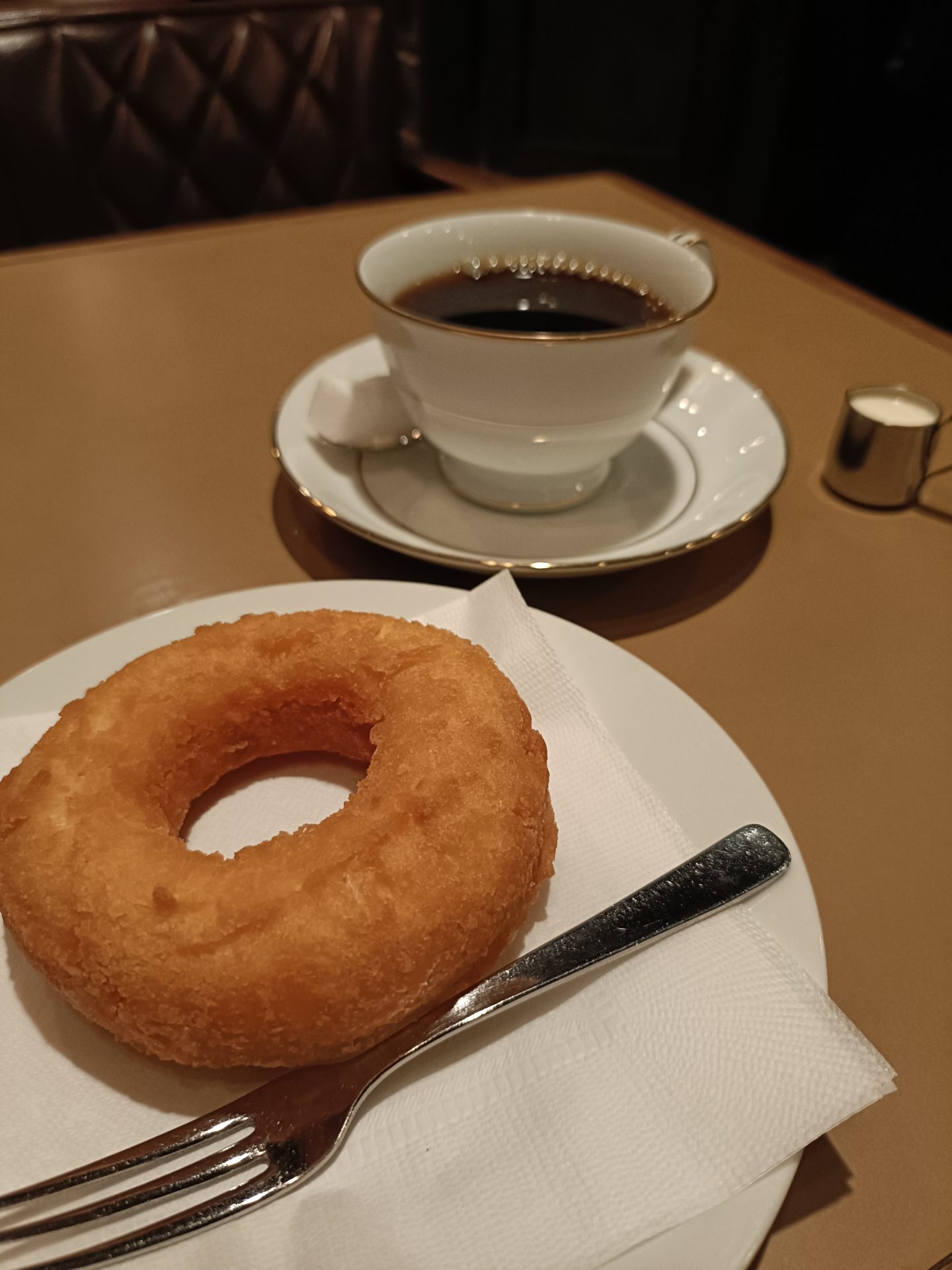
If you're going all the way, visit a place that will leave you with lasting memories! 7 Retro Cafés in Kyoto
Recently, retro-style coffee shops that make you feel as if you’ve slipped back in time to the Showa era have been attracting a lot of attention. With their vibrant colors […]
The obanzai at "Gyaatei" in Arashiyama, Kyoto, is wonderful! What is the Gyaatei Set Meal?
What places did you visit while sightseeing in Arashiyama, Kyoto? Arashiyama has several attractions, such as the Hozu River boat ride, the Torokko Train, the Bamboo Grove Path, and the Togetsukyo Bridge […]
Enjoy a cup of coffee in the retro atmosphere of “Kaze to Coffee” in Kyoto’s Kamigyo Ward… Are the accompanying sweets tempting?
There are many tourist spots in Kyoto, but perhaps some of you would like to take a break from the bustling atmosphere from time to time […]
Terakoya Honpo’s Innovative Dango Are Amazing! Let’s Go on a Sweet Treat Tour in Arashiyama to Sample the Exquisite “Kabi Dango”
Are you enjoying sightseeing around Saga-Arashiyama, such as the Togetsukyo Bridge, Tenryu-ji Temple, and the Torokko Train? There are many tourist attractions in Saga-Arashiyama […]
Come try the giant mitarashi dango at Koto Imo Honpo! A popular choice for street food in Arashiyama♪
Have you heard of a shop called “Kotoimo Honpo,” located just off the path through the bamboo grove? Lately, it’s been on Ins […]