

March Lion" is based on the manga by Chika Umino, which has been adapted into an anime.
It was serialized in Young Animal and became a hot topic.
The story is based on Shogi (Japanese chess) and is supervised by Manabu Sakaki, a professional chess player.
It is a popular work that has been serialized since 2007 and will sell more than 10 million copies in total by 2022.
So, what are some of the sacred places that appear in "March Lion"?
In this article, we would like to compile a list of sacred places in Kyoto that appear in "March Lion".
■What is the synopsis of March Lion?
The main character, Zero Kiriyama, lost his family in an accident when he was a child.
Even with a deep loneliness in his heart, he was already a talented professional chess player while attending Komabashi Private High School at the age of 17.
She lives alone in downtown Tokyo, but after meeting Akari, Hinata, and Momo, her three sisters, her feelings gradually change in this story.
Let us begin with a look at the synopsis of "March Lion".
Synopsis released from the official website
Rei Kiriyama is a 17-year-old prodigy professional Go player who made his debut as a junior high school student. His parents died in a car accident when he was young, and he was raised by his father-in-law, a professional Go player, but he eventually left the family and spent his days in solitude. He meets three sisters and finds his own place in the world.
Kiyomizu-dera Temple" (Kiyomizu-dera Temple)
Photo: Photo AC
Outline
Kiyomizu-dera Temple, which made a brief appearance in "March Lion," has become a sacred pilgrimage spot because it is a famous sightseeing spot in Kyoto.
In "March of the Lions," the location was shown looking just to the left from the Kiyomizu stage.
There is some greenery, but the cherry blossoms were in full bloom in the video, so the season is considered to be just around spring.
○Detailed explanation of "Kiyomizu-Dera Temple
Otowasan Kiyomizu-dera Temple, the main temple of the Northern Hōsō Sect, located in Kiyomizu, Higashiyama-ku, was founded in 778.
It dates back to about 1,250 years ago.
The 130,000-square-meter grounds on Mt. Otowa are home to an impressive array of more than 30 halls and pagodas, including national treasures and important cultural properties.
The Niomon Gate, an important cultural property, the West Gate, the three-story pagoda, the bell tower, and many other buildings and attractions are located here.
Since its foundation, the temple has been destroyed by fire more than 10 times, including in wars, but it has been rebuilt many times thanks to the faith of the faithful.
And stop by the "stage," a wooden structure facing the cliff.
Built on a steep 13-meter-high cliff, it is constructed using a traditional Japanese construction method called kake-zukuri, in which latticework of timbers support each other to provide excellent earthquake resistance.
There are many power spots such as the main hall, Otowa Falls, and Zuigudo's Tainai Tour, so please stop by.
Address
1-294 Shimizu, Higashiyama-ku, Kyoto-shi, Kyoto
Phone number
075-551-1234
How to access
Approx. 10 minutes walk from Gojozaka bus stop on Kyoto Bus Route 18 bound for Ohara.
○Official homepage
https://www.kiyomizudera.or.jp/
Related Articles
https://kyotreat.jp/post-1811/
March lion's pilgrimage to Kyoto and sacred places 2. "Near Kyoto Station
Photo: Photo AC
Outline
The area around Kyoto Station appeared in episode 31 of "March of Lions.
The Karasuma-Kujo intersection and pedestrian crossing have appeared.
Kyoto Tower was also shown in one scene and seems to have become a sacred place.
Learn more about the "Kyoto Station area".
In "March of Lions," Kyoto Station and its environs make an appearance.
Kyoto Tower depicted in the work.
This place has appeared in various anime such as Detective Conan, K-ON! and various other anime.
It stands 131 meters high and was built in the motif of a lighthouse that illuminates the city in Kyoto, where there is no sea.
There are many sightseeing spots around Kyoto Station, including not only Kyoto Tower but also Toji Temple, a World Heritage site, and the five-story pagoda there; Nishiki Market, the kitchen of Kyoto; Kyoto National Museum, which boasts 120 years of history; and Sanjusangendo, where the thousand-armed Kannon is a powerful deity.
After making a pilgrimage to Kyoto Tower, be sure to stop by some of the nearby tourist attractions.
Address
721-1 Higashishioji-cho, Shimogyo-ku, Kyoto-shi, Kyoto
Phone number
075-361-3215
How to access
About 2 minutes walk from JR "Kyoto Station".
○Official homepage
Related Articles
March Lion's Pilgrimage to Kyoto 3. Shimogamo-jinja Shrine
Photo: Photo AC
Outline
Shimogamo Shrine appeared in episodes 19 and 31 of March Lion.
Shimogamo Shrine appeared when the main character, Kiriyama Zero, came to Kyoto on a school excursion.
The stone monument on which he is sitting while solving a game of fill-in shogi is actually located at the entrance, and it was another topic of discussion that appeared slightly differently in the Shimogamo Shrine precincts and in the animated film.
Please compare it with the actual location.
Incidentally, Shimogamo Shrine is also the setting for the anime "Arigaten Kazoku.
Shimogamo Shrine" is explained in detail.
Shimogamo Shrine is located in Sakyo-ku, Kyoto, and is officially called Kamomioja Shrine.
The main shrine, located on the east and west sides, is a national treasure.
Since the Zuigaki was repaired in the 7th year of Emperor Sojin's reign, it can be expected that the shrine had been enshrined even before that time.
Shimogamo-jinja Shrine has been mentioned in The Tale of Genji and The Pillow Book of Genji, and has been a famous place of interest in many stories.
In the late Heian period (794-1185), the shrine flourished as a shrine to pray for the well-being of the people, with temple guardians who traveled throughout the country to preach the divine virtues of the shrine.
Currently, two of the shrine buildings are national treasures and 31 buildings are designated as national important cultural properties.
Address
59 Shimogamo-Izumigawa-cho, Sakyo-ku, Kyoto-shi, Kyoto
Phone number
075-781-0010
How to access
Take city bus No. 4 from JR Kyoto Station to "Shimogamo-jinja-mae".
○Official homepage
https://www.shimogamo-jinja.or.jp/
Related Articles
https://kyotreat.jp/post-1489/
March Lion's Kyoto Holy Land Pilgrimage 4: "Ginkakuji Temple
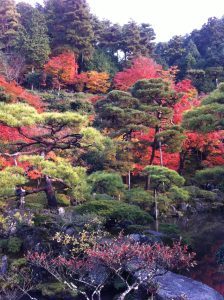
Photo: Photo AC
Outline
The Ginkakuji Temple appears in "March of the Lions."
The official name of Ginkakuji Temple is Tozan Jishoji Temple.
This Higashiyama Jishoji Temple appeared in the setting near Soya Meijin's parents' home.
The beautiful pond and the sand mound that appeared in the cartoon are actually there.
Learn more about the Ginkakuji Temple.
A beautiful pond featured in the movie "March of the Lions."
This is Kinkyochi Pond, which is a garden in the pond-and-water-envelope style in front of Ginkakuji Temple.
Designated a Special Historic Site and a Special Place of Scenic Beauty in 1952, the view is breathtaking.
Also, the sand sheng featured in "The Lion of March" is "Xiangyue-dai and Ginsha-tan.
This is located in front of the main hall of Ginkakuji Temple and features a representation of ripples.
Kougetsu-dai (向月台) is also characterized by a high, raised sand hill.
These are said to serve to illuminate the main hall by reflecting the light of the moon by raising the white sand.
It has a height of 66 cm.
It is said that Higashiyama Jishoji Temple was built in 1482 by Ashikaga Yoshimasa, the 8th shogun of the Muromachi Shogunate, to hide from the Shogunate, which was in serious financial difficulties.
Address
2 Ginkakuji-cho, Sakyo, Kyoto City, Kyoto
Phone number
075-771-5725
How to access
From JR Kyoto Station, take Kyoto City Bus No. 100 to "Ginkakuji-mae" bus stop.
○Official homepage
https://www.shokoku-ji.jp/ginkakuji/
Related Articles
https://kyotreat.jp/post-2309/
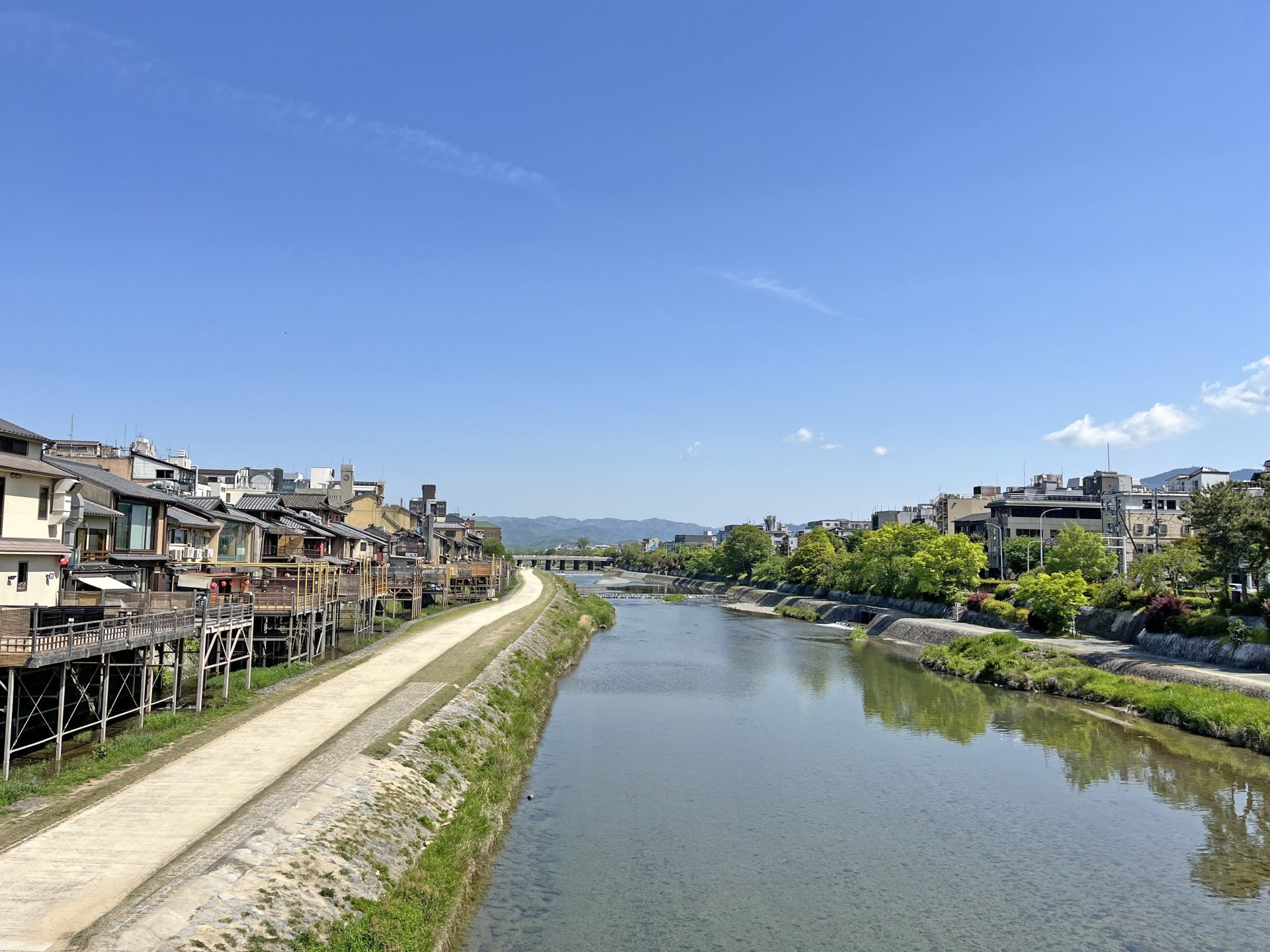
March Lion's Pilgrimage to Kyoto and the Holy Land 5: Kamogawa River
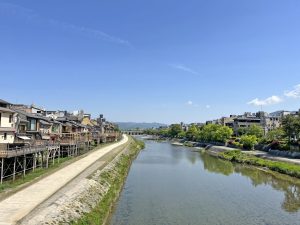
Photo: Photo AC
Outline
In "Lion in March," Kamogawa appears.
Hinata is on her way to a school trip in Kyoto and has no place to stay because she is being bullied in class.
I came to the Kamogawa River to avoid my classmates who were having fun.
Then Zero rushes in.
Hinata was surprised to see Zero, who had just finished playing a game in Ensaka and rushed to her in desperation, but tears welled up in her eyes and she clung to him.
What a moving scene!
Such is the Kamogawa River, but in "March Lion" a couple was depicted sitting at equal intervals.
The buildings and other structures in the back are faithfully reproduced.
○Detailed description of the Kamogawa River
The Kamogawa River is said to have been called Kamo River after the name of the Kamo clan, which was based upstream in the past, became established in the name of the place.
The Kamo River, 23 km long, originates near Mt. Jashikigatake and flows north-south through Kyoto City to its confluence with the Katsura River.
In spring, the rows of cherry trees are beautiful, and in summer, the riverbed is set up so that visitors can enjoy Kyoto's specialties along with the murmuring of the river.
There are many dumpling shops and souvenir shops around the Kamo River, and many people enjoy eating their way to the Kamo River and other places of relaxation.
The river has nurtured the capital and Kyoto culture for approximately 1,000 years.
Address
Tanaka Shimogamo-Miyagawacho, Sakyo-ku, Kyoto
How to access
Short walk from Demachiyanagi Station on Keihan Railway
○Official homepage
https://www.pref.kyoto.jp/kamogawa/
Related Articles
Shijo Ohashi Bridge" - March Lion's Pilgrimage to Kyoto's Holy Land 6.
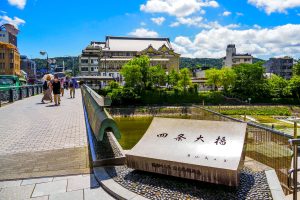
Photo: Photo AC
Outline
Despite being bullied by her class in "Lion in March," Hinata Kawamoto worked hard and decided to participate in the school trip, determined not to regret it.
Having anticipated that Zero Kiriyama would go to the riverside if anything happened, he finds Hinata standing alone during free time.
Shijo Ohashi Bridge" is explained in detail.
The Shijo Ohashi Bridge spans the Kamo River and is the famous bridge on Shijo Dori.
Ponto-cho and Kawaramachi are located to the west, and Gion to the east, where many tourists pass through.
Nearby are Yasaka Shrine, Nakagenji Temple, and the Pontocho entertainment district, so please stop by during your pilgrimage to the sacred site.
This is also the main street for the Yamaboko procession, the Kanko Festival, and the Shinko Festival of the Gion Festival.
Address
Kashiwayacho, Nakagyo-ku, Kyoto City, Kyoto
Phone number
075-223-0523
Access method
A short walk from Kyoto Kawaramachi Station on the Hankyu Kyoto Line
Related Articles
https://kyotreat.jp/post-1319/
March lion's pilgrimage to sacred places in Kyoto: Nishiki Tenmangu Shrine
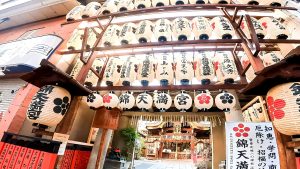
Photo: Photo AC
Outline
Nishiki Tenmangu Shrine made a brief appearance in "March Lion."
The lanterns at the entrance to Nishiki Tenmangu Shrine and the sign were painted exactly like the lanterns.
Nishiki Tenmangu Shrine is a sacred site for "March Lion" as well as "After School Saikyo Club" and "Homes in Kyoto Teramachi Sanjo".
○Detailed explanation of Nishiki Tenmangu Shrine
Nishiki Tenmangu Shrine was founded in 1003 (Choho 5) and is popularly known as Nishiki no Tenjin-san.
The shrine is dedicated to Sugawara Michizane, a scholar and politician of the Heian period (794-1192), who is famous as the god of learning, and is visited by many students who are preparing for entrance exams.
As the only shrine in the downtown area, it is blessed with prosperity, wisdom, learning, business acumen, protection from bad luck and disaster, and is visited by people from the neighborhood, all over Japan, and even from overseas.
In the precincts of the shrine, which cover an area of about 200 tsubo (about 1.5 square meters), seasonal flowers such as cherry blossoms, fresh greenery, and autumn leaves are in full bloom, even in the middle of the city of Kyoto, while Nishiki water, a famous water of high quality, is said to gush out from the ground.
There is also a karakuri-mikuji, which you are encouraged to draw.
Address
537 Nakano-cho, Shijo-Agaru, Nakagyo-ku, Kyoto City, Kyoto
Phone number
075-231-5732
How to access
Approximately 10 minutes walk from Hankyu "Kawaramachi" station
○Official homepage
https://nishikitenmangu.or.jp/
Related Articles
https://kyotreat.jp/post-1319/
March lion's pilgrimage to the holy place in Kyoto 8.
Outline
In "March Lion," a restaurant called "Iwai" appears.
The lighting on the sign and the sundries in the storefront are depicted in the same way.
In "March Lion," there is a carved wooden sign that says "Kyoto Souvenir Shop," but the real sign says "Kyoto Iwai," so please compare the two.
○Detailed explanation of "IWAI".
IWAI was established in May 1966.
As a store for souvenirs, Japanese goods and gifts, it offers a large selection of scarves, handkerchiefs, wallets, bags and sundries.
Original handicrafts that mix the old and new of Kyoto are sold here, ranging from comforting chirimen Japanese goods to prestigious silk Nishijin textiles and fragrances that add color to daily life.
The building has high ceilings and a traditional wooden interior with a relaxed atmosphere.
We hope you will find your favorite item in Japanese goods.
The company has eight stores, including not only Kyogoku IWAI, but also Antique IWAI, Kyoto Station IWAI, and Shin-Osaka IWAI.
It is also available by mail order, so even those who live far away can purchase it.
Address
556 Nakano-cho, Nakagyo-ku, Kyoto-shi, Kyoto
Phone number
075-221-0314
How to access
5 minutes walk from Hankyu "Kawaramachi" station
○Official homepage
Shinkyogoku Shopping Street" (March Lion's Kyoto Holy Land Pilgrimage 9)
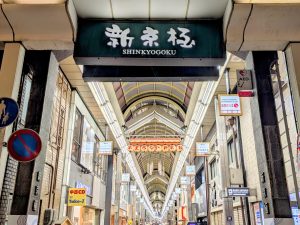
Photo: Photo AC
Outline
In episode 31 of "March Lion," we leave the Kansai Shogi Kaikan and take a cab to Shinkyogoku.
They visit the Shinkyogoku shopping district and look around souvenir shops and general stores.
I had seen a stuffed squirrel, but there are also similarities in the bags and the layout of the store, so please compare and contrast.
○Detailed explanation of the "Shinkyogoku shopping district".
Shinkyogoku is a shopping street, about 500 meters long, located between Sanjo Dori and Shijo Dori.
Shinkyogoku Shopping Street is the oldest shopping street in Kyoto, with a history of 150 years, and is lined with traditional stores, temples, and shrines.
Recently, theaters, game centers, souvenir shops, and general stores have been added to the area, making it a must-visit destination for tourists.
Address
Shinkyogoku Dori, Nakagyo-ku, Kyoto City
Phone number
075-223-2426
How to access
Approximately 10 minutes on foot from Shijo Station on the Subway Karasuma Line
○Official homepage
https://www.shinkyogoku.or.jp/
Gion Ukeya U" (Gion Ukeya)
Outline
Gion Ukeya appears in "Lion in March."
The sign, townscape, and lanterns are painted exactly as they appear, and the store appears on the right side.
Gion Ukeya U" is explained in detail.
Gion Ukeya U" is an eel specialty restaurant located in Gion, Higashiyama-ku, Kyoto City, Kyoto Prefecture.
The restaurant has a relaxed, pure Japanese style interior. As the saying goes, "Five years for opening, eight years for skewering, and a lifetime for grilling," the taste of Edo yaki eel is deep, and its volume is also very popular.
Nearby is Kenninji Temple, famous for its tea, and this restaurant is particular about water, the lifeblood of eel cuisine, by digging a well by hand.
Address
570-120, South side of Gion-cho, Higashiyama-ku, Kyoto-shi, Kyoto
Phone number
075-551-9966
How to access
Approximately 7 minutes walk from Gion-Shijo Station on the Keihan Electric Railway Main Line
○Official homepage
https://www.yagenbori.co.jp/shop/u/
■ Summary
How was it?
In this issue, we have compiled a list of sacred places in Kyoto that appear in "March Lion.
In "March Lion," the protagonist is lonely, but his heart changes as he spends time with his three Kawamoto sisters, Akari, Hinata, and Momo.
There are many charms that can make you feel somewhat tender, and the holy places in the Kyoto version that appear in the story also have many charms.
It might be a good idea to spend the same leisurely time at the Kamo River, the Shijo Ohashi Bridge, or other places where you have been pensive.


Related PostRelated Articles
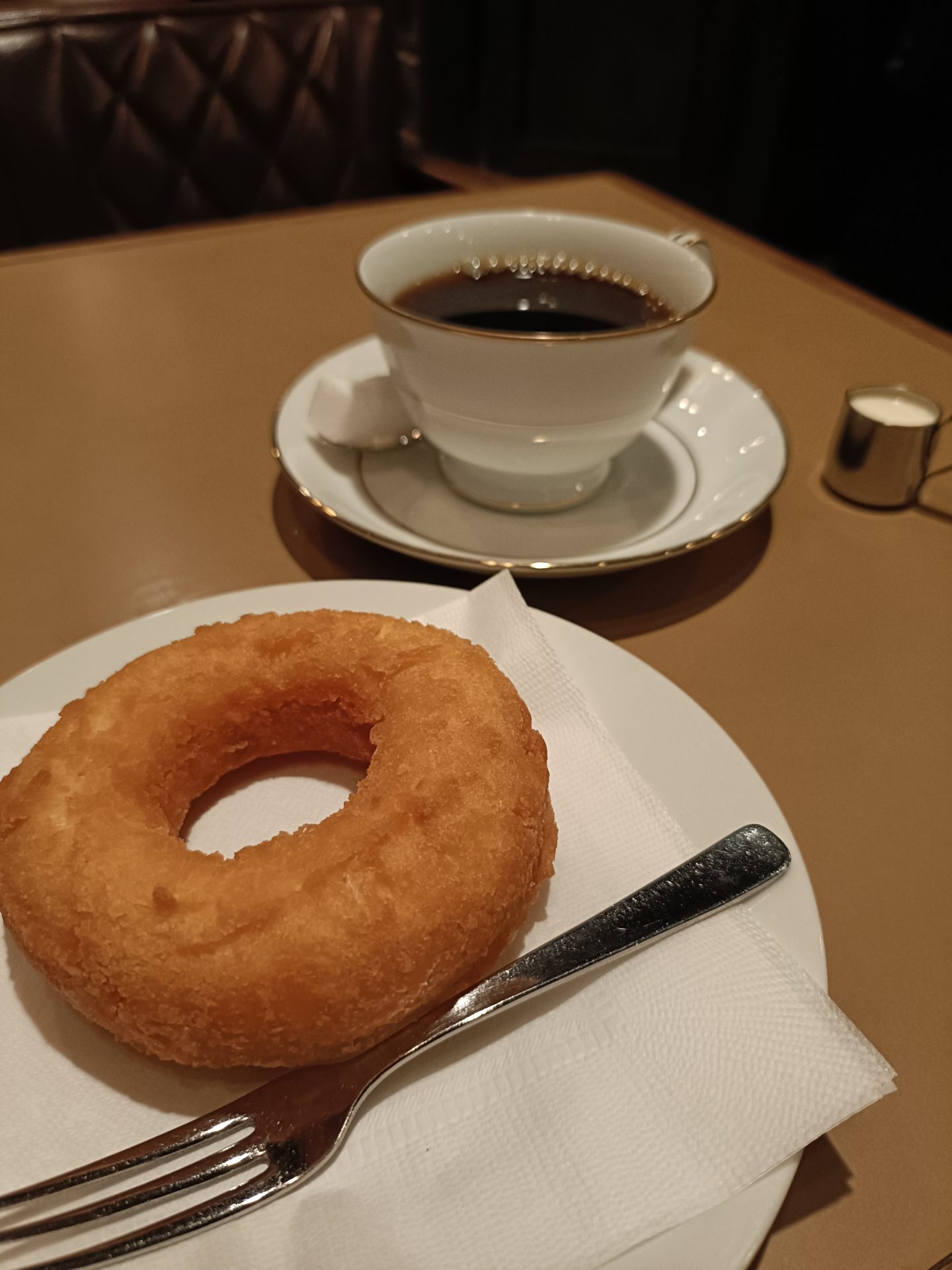
If you're going all the way, visit a place that will leave you with lasting memories! 7 Retro Cafés in Kyoto
Recently, retro-style coffee shops that make you feel as if you’ve slipped back in time to the Showa era have been attracting a lot of attention. With their vibrant colors […]

The signature dish at Muge Sanbo in Kyoto—the ”Ultra-Rich Matcha Parfait”—is absolutely delicious! If you want to experience the true essence of Kyoto, this is the place to go!
Have you heard of a shop called “Muge Sanbo,” whose signature dish is a parfait made with matcha that’s quintessentially Kyoto […]
Detective Conan: A Pilgrimage to the Kyoto Locations Featured in "The Crimson Love Song" and "The Crossroads of the Labyrinth"! List [Summary]
The Detective Conan movies set in Kyoto are *A Crimson Love Letter* and *Crossroads in the Labyrinth* […]
"Rurouni Kenshin" Kyoto Pilgrimage to Famous Locations! List [Summary]
Have you heard of *Rurouni Kenshin*? Not only is there an anime series, but it’s also been adapted into a live-action movie starring Takeru Satoh, so you should definitely check it out […]
What Is "Sawawa" in Kyoto? Discover the Charm of Matcha at Nishiki Market, with Over 1,300 Years of History!
Nishiki Market is often called the “kitchen of Kyoto,” and it’s lined with all kinds of shops, isn’t it? In a place like that, you can find drinks and ice cream made with matcha […]