


When walking through Kyoto’s hanamachi (entertainment districts), you may come across signs at the entrances of ryotei and ochaya that read, “No first-time customers allowed.” Some of you may have had the experience of visiting in the hope of enjoying an “ozashiki” evening with maiko or geisha, only to be turned away at the door.
"No first-time customers allowed" is a business custom unique to Kyoto; it is not simply a policy of "no outsiders allowed," but rather a unique form of hospitality cultivated over the long history of Kyoto’s hanamachi culture. In this article,
- The True Meaning and Origin of “No First-Time Customers Allowed”
- Why does this custom continue to this day?
- Types of Establishments That Often Turn Away First-Time Customers, and Kyoto’s Five Geisha Districts
- Pros and Cons of a "No First-Time Customers" Policy
- Practical Ways for First-Time Visitors to Enjoy the Culture of the Geisha District
We've compiled this information here. If you read it all the way through, you'll gain a deeper understanding of Kyoto's hanamachi culture, and it should help you plan your trip.
Table of Contents
■ What does “No first-time customers allowed” mean?
■ The Origin and History of “No First-Time Customers Allowed”
■Why Do We Turn Away First-Time Customers? 4 Reasons
■Places That Often Turn Away First-Time Visitors: Kyoto’s Five Geisha Districts
■The Benefits of Not Accepting First-Time Customers
■The Downsides of Not Accepting First-Time Customers
■How to Walk Into a Store Even If You're a First-Time Customer
■ Fun Even for Tourists! Maiko and Geisha Experiences Open to First-Timers
■Etiquette for Visiting the Red-Light District
■ Summary
■ What does “No first-time customers allowed” mean?
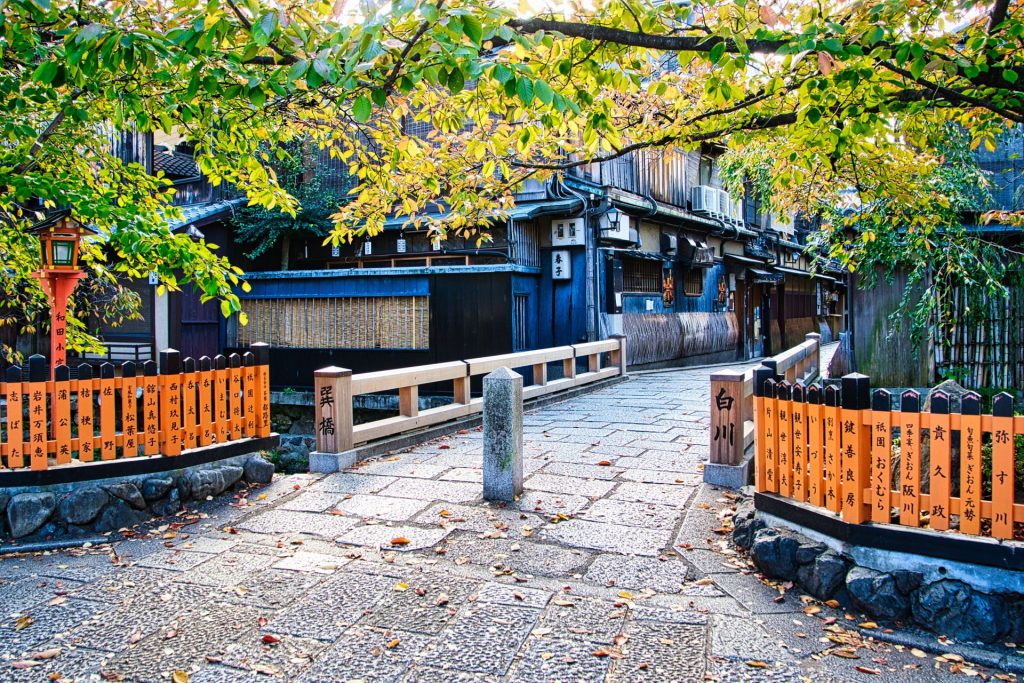
"No first-time customers allowed" means,Refusing entry to first-time customers who have not been referred or with whom there has been no prior interactionThis is a business custom passed down in Kyoto’s hanamachi districts. “Ikkensan” refers to a “first-time customer”—that is, a customer who is not a regular—and is primarily seen at ochaya (establishments where guests can enjoy entertainment with geisha and maiko) and high-class ryotei.
This tradition remains particularly strong in Kyoto’s traditional hanamachi districts, such as Gion and Ponto-chō. While Kyoto attracts many visitors from around the world as a tourist destination, the establishments in the hanamachi have always maintained a philosophy that prioritizes “relationships with each individual regular customer” over “mass marketing.”
Please note that “no first-time customers” is not a rule common to all restaurants and bars in Kyoto. Many restaurants and cafes welcome tourists. It’s best to understand that this custom persists mainly in the geisha districts—particularly at ochaya teahouses—and at a few long-established ryotei.
■The Origin and History of the Phrase “No First-Time Customers Allowed”
It is said that the origin of the “no first-time customers allowed” policy dates back to the “mizuchaya” teahouses that operated in front of shrines and temples in the early Edo period. Originally, mizuchaya were down-to-earth rest stops where hot tea was served to worshippers and travelers. From there, the number of teahouses operating with official permits in the Gion district gradually increased. As the area developed into a red-light district from the late Edo period through the Meiji era, tea and sweets evolved into accompaniments for sake, and the dancing and shamisen performances by the women working in the establishments became increasingly refined as art forms—a tradition that is said to be the origin of today’s maiko and geisha culture.
In the early 19th century, considered the heyday of Gion, more than 700 teahouses lined the streets; records also indicate that during the late Edo period, patriotic activists used these teahouses as venues for social gatherings and secret meetings, as did literary figures and artists during the Taisho era. It is believed that this history of development as a “special social venue” frequented by many prominent figures and the heads of merchant families laid the groundwork for the tradition of “no first-time customers allowed” that continues to this day.
■Why Do Some Places Refuse First-Time Customers? 4 Reasons
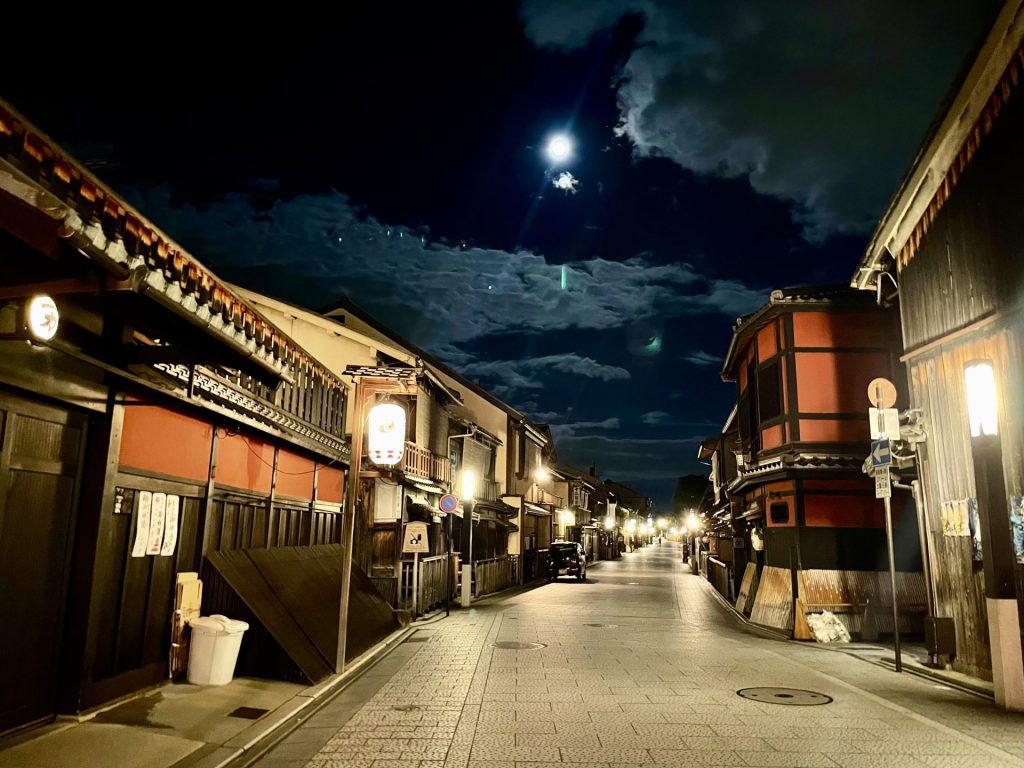
(1) The Credit Sales System and Trust
At teahouses, entertainment in the private rooms is typically paid for on credit, meaning customers are billed in a lump sum at a later date rather than paying on the spot. This system was created out of a desire to allow customers to “enjoy themselves to their heart’s content without worrying about time or money,” but ensuring payment requires a relationship of trust between the establishment and the customer that has been cultivated over many years. For the establishment, allowing a first-time customer whose background is unknown to run up a tab—which can range from tens of thousands to hundreds of thousands of yen—poses a significant risk.
② The highest level of hospitality, tailored to each individual
Teahouses have long pursued the “ultimate in hospitality,” tailoring the menu, seating arrangements, and entertainment to each guest’s preferences, physical condition, and even their mood on any given day. In fact, stories have been passed down about how traditional teahouses once employed a “shoe attendant” who would detect changes in a regular customer’s health simply by observing the wear and tear on their footwear and discreetly relay this information to the proprietress and geisha. Such meticulous attention to detail is only possible with regular customers whom the staff know well; it is difficult to provide the same level of hospitality to first-time visitors.
③ Creating a space where regular customers can feel at ease
The private rooms at tea houses also hold value as special spaces where regulars can relax among a familiar group of people. To prevent the atmosphere from being disrupted by strangers coming and going—or to ensure that regulars don’t feel uncomfortable—there is also a policy of limiting entry to guests who have been introduced in advance or are accompanied by someone.
④ To clarify who is responsible in the event of a problem
In the event of any trouble in the private room or failure to pay, the tea house ultimately bears responsibility. By clearly identifying who brought in the customer, the tea house can verify the circumstances through the referrer and work toward a resolution should any issues arise. It is precisely because of this “referral system” that tea houses can continue to provide high-quality service with peace of mind.
■Shops in Kyoto's Five Geisha Districts That Often Turn Away First-Time Customers
The custom of refusing first-time customers remains deeply entrenched, primarily in the following types of businesses.
○○ Tea shop
These are establishments where you can invite maiko and geiko to enjoy traditional entertainment. Since payment on credit is the norm, most of these establishments do not accept first-time customers.
○Ryotei
Some prestigious ryotei—traditional Japanese restaurants that serve Kyoto cuisine and sometimes invite geisha and maiko to banquets—do not accept walk-in customers, just like ochaya. However, not all ryotei have this policy; many operate by reservation and are open to anyone.
Kyoto's "Gokagai"
To understand the culture of “no first-time visitors allowed,” it’s essential to learn about the five hanamachi—commonly known as the “Five Hanamachi”—that are members of the Kyoto Hanamachi Association Federation. Each has its own unique history and character.
- Gion Kobu
Located in Higashiyama Ward, this is Kyoto’s largest geisha district, which has flourished since the Edo period as the town surrounding Yasaka Shrine. The area around Gion Shirakawa, with its cobblestone streets and rows of traditional townhouses, has been designated as a Preserved District of Important Traditional Buildings. It is known for the spring dance performance “Miyako Odori.” - Gion Higashi
A relatively small hanamachi that branched off from Gion Kobu, it retains its own unique, elegant atmosphere. - Ponto-chō
This area, where narrow alleys run along the Kamogawa River and restaurants and eateries line the streets, is a popular entertainment district on par with Gion. - Miyagawa-cho
A geisha district located south of Shijo on the left bank of the Kamogawa River. The name is said to derive from the Mikoshi-arai ritual held at Yasaka Shrine. - Kamishichiken
Located in front of the gate to Kitano Tenmangu Shrine, this is said to be the oldest of the five hanamachi (entertainment districts). One theory holds that it originated with seven teahouses built during the Muromachi period using leftover materials from the shrine’s reconstruction.
As you stroll through these areas, you may come across signs reading “No First-Time Visitors Allowed” hanging from the eaves of charming traditional townhouses, or hear the sounds of geisha and maiko practicing through latticed doors. The streetscape itself serves as a valuable tourist attraction where visitors can experience Kyoto’s traditional culture firsthand.
■The Benefits of Not Accepting First-Time Customers
A "no first-time customers" policy offers the following benefits to regular customers:
○You can enjoy consistently high-quality hospitality
Since the staff is familiar with your preferences and past interactions, you can count on consistently high-quality service every time.
○Enjoy cuisine and an atmosphere tailored to your preferences
You can expect thoughtful service that takes into account your food preferences, allergies, and even how you’re feeling that day.
○A place where you can relax in a familiar setting
You don't have to worry about strangers, so you can relax and enjoy yourself.
○Enjoy yourself without worrying about the bill right then and there—just pay later.
You can focus on the traditional parlor games without worrying about the time or the bill.
■The Downsides of Not Accepting First-Time Customers
On the other hand, there are some things even regular customers should be aware of.
The biggest drawback isLack of Transparency in PricingIt is.
Since payment is typically made later, it’s not uncommon to be surprised by a higher-than-expected bill when the total is revealed at a later date. Because the fees for hiring geisha and maiko, as well as Kyoto cuisine made with carefully selected ingredients, come with a corresponding price tag, it’s advisable to confirm the general market rates and budget with the restaurant or your agent in advance.
■ How to Walk Into a Store Even If You're a First-Time Customer
If you’re determined to try out a restaurant that doesn’t accept first-time customers, here are a few options to consider.
○ Ask a regular to accompany you.
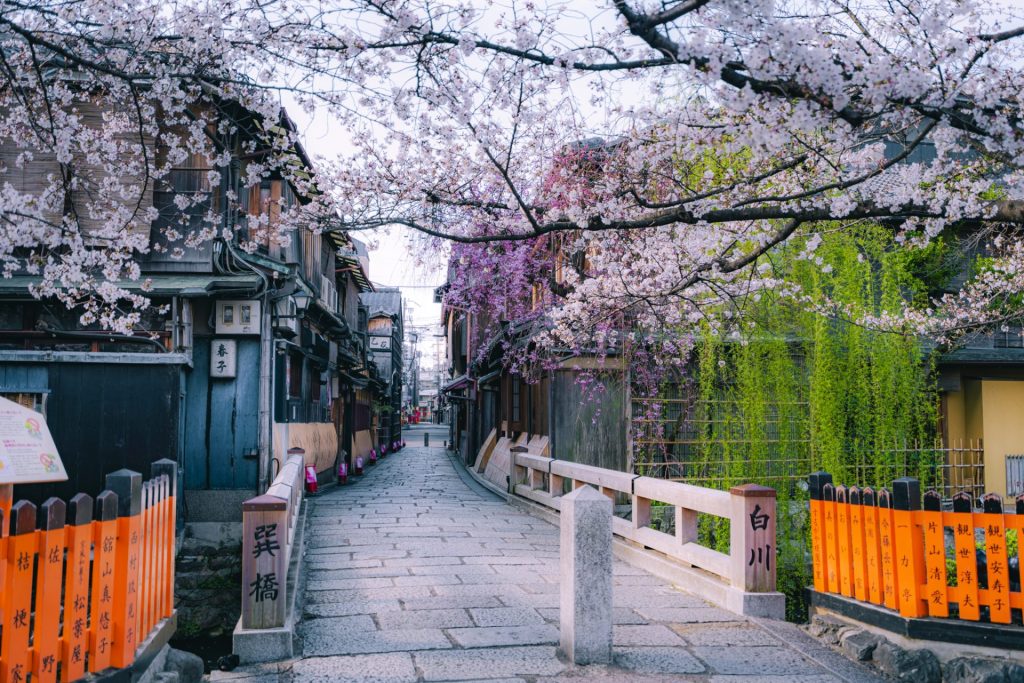
The most common approach is to be accompanied by a regular customer at that establishment. If you have someone with you, you’ll often be allowed to enter the private room right away. However, since you’re being admitted based on your companion’s reputation, you must exercise the utmost care regarding payment and etiquette.
○Receive a referral from a regular customer
Even if it’s difficult to bring a guest, you may be allowed to enter the establishment if a regular customer contacts the staff in advance to introduce you.
○ Ask for referrals to accommodations.
If you have a hotel or inn where you have stayed, one way is to ask through them.
If you are staying at a luxury accommodation, you may be able to contact the teahouse, as they may be acquainted with the teahouse and may be able to help you.
○Request an agency to arrange accommodations (luxury ryokan and hotels)
Some long-established ryokans and luxury hotels have maintained long-standing relationships with local tea shops. If you ask the concierge at your lodging, they may be able to recommend one.
○Find restaurants that accept first-time customers under certain conditions, such as during lunchtime
Some restaurants have a policy stating, “We do not accept first-time customers for evening seating, but lunch service is open to everyone.” We recommend checking in advance by visiting the official website or calling the restaurant.
■Even Tourists Can Enjoy It! Maiko and Geisha Experiences Open to First-Time Visitors
For inbound tourists, in addition to the tea houses that don’t accept first-time visitors,Maiko and Geiko Experience Plans Open to Everyone from the StartThis is the most reliable and recommended way to go about it. In recent years, travel agencies, hotels, and specialized experience providers have been offering numerous packages that allow visitors to safely enjoy Kyoto’s traditional culture.
- Maiko Performance Dinner
This package allows you to enjoy Kyoto cuisine at venues such as traditional Kyoto townhouses, high-end restaurants, and hotels, while watching dances and performances by maiko and geiko, and taking commemorative photos. It’s designed to be easily accessible even for large group tours. - Traditional Japanese Dining Room Experience Package
These are reservation-based traditional entertainment experiences where prices and details are clearly stated in advance. You can enjoy games and conversation with maiko and geiko, and some plans include an interpreter-guide, making them a worry-free option for solo travelers and international tourists alike. - Maiko Transformation Body
This package includes everything from kimono dressing and hair and makeup to a photo shoot with a professional photographer. The option to stroll through the streets of Gion in a kimono is also very popular.
These plans are official services designed for tourists, differing from the traditional custom of tea houses that do not accept first-time visitors. Since the prices and details are clearly specified in advance, you can experience the culture of the hanamachi with peace of mind, without worrying about being charged a high bill on credit. When visiting Kyoto, it’s a good idea to start by experiencing the hanamachi culture through these kinds of packages.
■Etiquette for Visiting the Red-Light District
The geisha districts, such as Gion and Ponto-chō, are places where active geisha and maiko still live and work. When visiting as a tourist, please keep the following points in mind.
- Do not approach geisha or maiko without permission to take photos or block their path.
- Do not enter private property (such as the entrance to a tea house or the back of an alley) without permission.
- On cobblestone streets and in narrow alleys, do not walk side by side, and do not make loud noises.
- Do not litter or discard cigarette butts
The geisha districts are not only valuable historical landmarks but also places where local people live their daily lives. Observing proper etiquette while sightseeing helps ensure that Kyoto’s traditional culture is preserved for future generations.
■ Summary
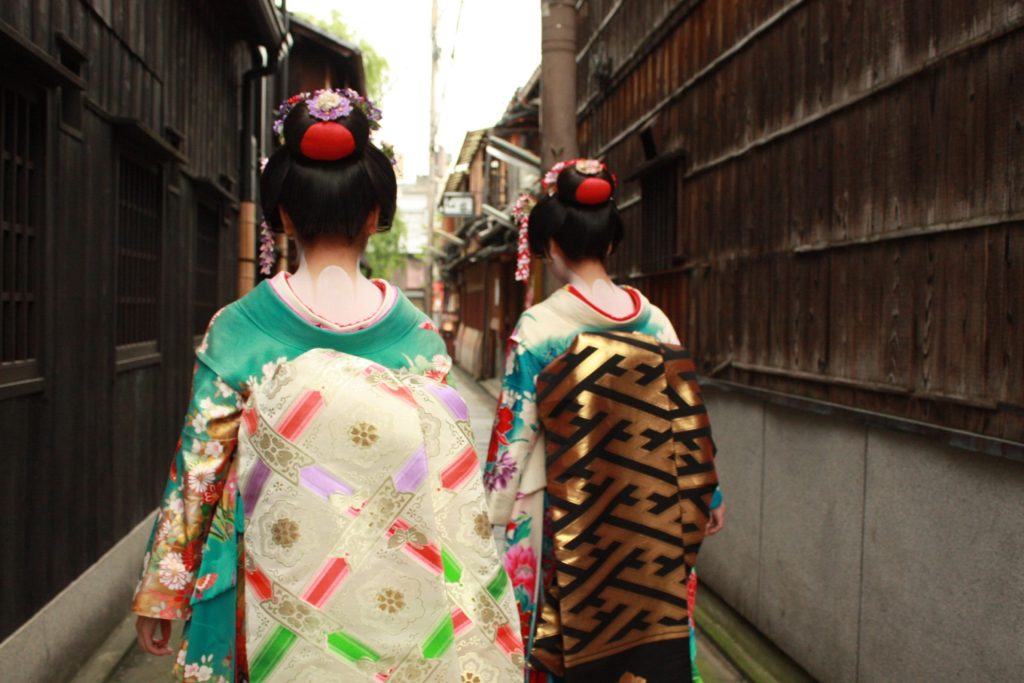
"No first-time customers allowed" is a unique form of hospitality cultivated over the long history of Kyoto’s hanamachi districts, where the trust built with regular customers is valued above all else. This custom—which involves politely declining first-time customers in order to maintain the system of paying on credit and provide the highest level of personalized service—is still practiced today.
That said, there are certainly ways for tourists visiting Kyoto to experience the culture of the hanamachi districts. In addition to introductions from regular customers or arrangements made through your lodging, you can enjoy a safe and relaxing experience with maiko and geiko by taking advantage of maiko-viewing dinners or ozashiki experience packages, which are open to anyone by reservation.
Gion Kobu, Gion Higashi, Pontochō, Kamishichiken, Miyagawa-chō—if you explore these five traditional entertainment districts of Kyoto with an understanding of their respective histories and unique characters, your appreciation for the profound culture hidden behind the “No First-Time Visitors” signs is sure to deepen.


Related PostRelated Articles
The signature dish at Muge Sanbo in Kyoto—the ”Ultra-Rich Matcha Parfait”—is absolutely delicious! If you want to experience the true essence of Kyoto, this is the place to go!
Have you heard of a shop called “Muge Sanbo,” whose signature dish is a parfait made with matcha that’s quintessentially Kyoto […]
"Rurouni Kenshin" Kyoto Pilgrimage to Famous Locations! List [Summary]
Have you heard of *Rurouni Kenshin*? Not only is there an anime series, but it’s also been adapted into a live-action movie starring Takeru Satoh, so you should definitely check it out […]
Who is Fujina Mi (Sannenzaka Main Store)? Her mitarashi dango are absolutely to die for♪
Have you heard of “Fujinami,” a shop famous for its mitarashi dango? Locals say this is the place to go for freshly made dango […]
A Pilgrimage to the Sacred Sites of "The Eccentric Family" in Kyoto! List [Summary]
Have you heard of the anime *The Eccentric Family*? *The Eccentric Family* is an anime adaptation of a novel by Tomihiko Morimi […]
Have you heard of “Minced Meat and Rice” in Higashiyama Ward, Kyoto? Is it true that it’s incredibly popular even though it only has one item on the menu?
Have you heard of “Hikuniku to Kome,” a famous hamburger steak restaurant in Tokyo? “Hikuniku to Kome” is a popular restaurant in Tokyo, and in 2022 […]