


March has arrived and the days are gradually getting warmer. Ume blossoms are now at their best here and there in Kyoto.
Kyoto is famous for its cherry blossoms, but there are also many places where you can admire the beautiful plum blossoms.
Among them, the plum blossoms of Jounangu Shrine are worth seeing at least once.
What is Seongnam Palace?
Jonan Shrine is located in Fushimi-ku, Kyoto, and was built as a national guardian deity south of the capital at the time of the transfer of the capital to Heian-kyo. Since it is located south of the castle (Heian-kyo), it is called "Jonan-gami," and is known as a "great shrine of directional protection" to remove worries about moving, construction, and household affairs.
In spring and fall, the area is known for the "Kyokusui no En," an elegant event that recreates the poetry festivals held at court during the Nara and Heian periods (710-794).
Scenery to see at least once: 1) Weeping plum trees
The weeping plum tree is a must-see at least once at Seongnamgungu.
There is a Shinto garden "Flower Garden of the Tale of Genji" around the main shrine where "Kyokusui no En" is held, and "Weeping Plum and Camellia Festival" is held every year from February to March. The first area you enter the shrine garden is the "Spring Mountain". It is truly a paradise.
About 150 weeping plum trees are in full bloom, and the countless petals look like showers falling from the blue sky!
Multiple shades of white and shades of pink form a gradation of colors, creating a landscape that looks like a painting. It is hard to move on from the series of photo spots (laugh).
In the tea ceremony room "Rakusui-tei" in the "Muromachi Garden," not only weeping plum trees but also red and white plum trees are in full bloom, radiating a dignified beauty.
Scenery you should see at least once (2) Fallen camellia
Another spectacular view is of fallen camellias.
Just past the plum grove of weeping plum trees on Spring Mountain, you can enjoy a fusion of weeping plum trees and fallen camellias.
A veil of weeping plum trees in light pink and white. The lush green of moss. The crimson of the camellia that fell on top of it.
The contrast of the harmony of colors woven together is an unparalleled spectacle created by nature.
I saw this scene posted on Instagram a few years ago and thought "I'd like to visit there" ever since, so I visited last year.
When you enter the shrine garden, you will be given a pamphlet explaining the various camellias in bloom in the garden, so it is recommended that you look for camellias while reading the pamphlet.
Jonan-gu Shrine is easily accessible, about 15 minutes by bus from Kyoto Station and south of the "Kyoto Minami Interchange" on the Meishin Expressway.
This is a must-see spot to visit at least once during the ume (Japanese apricot) season.


Related PostRelated Articles
Pilgrimage to the Holy Land of "Tamako Market" in Kyoto, Japan! List [Summary
Do you know the Japanese TV animation "Tamako Market" produced by Kyoto Animation? Tamako [...]...
Recommended in Kyoto♪ Places to play with children indoors during Golden Week!
Golden Week will soon arrive. We hope that every day will be meaningful for your children... and their parents [...].
Enjoy Sake in Fushimi, Kyoto♪ 3 recommended places for sake brewery tours
Fushimi, Kyoto has long been famous for sake brewing. Also, with many of the shrines and famous water, delicious sake [...].
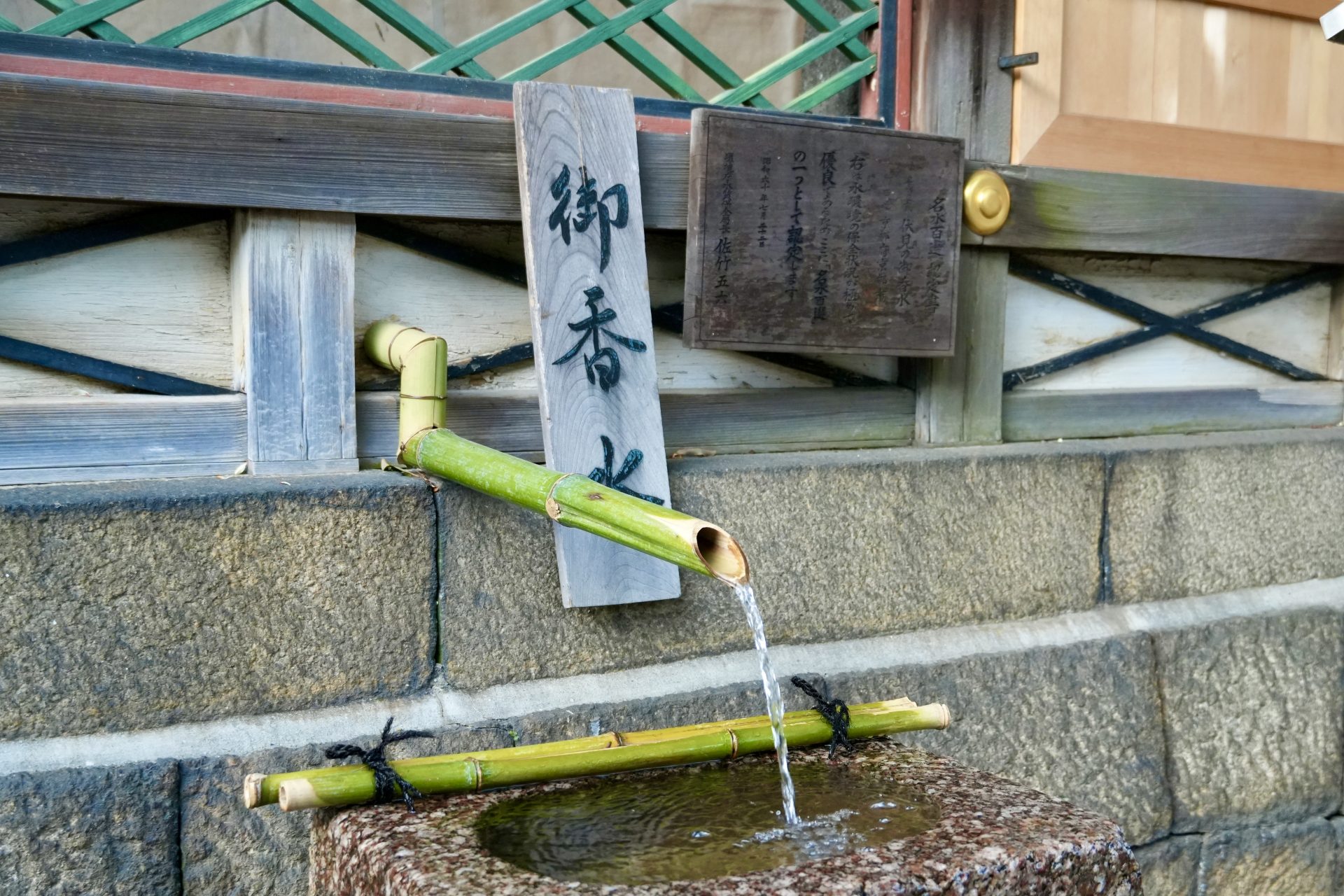
Three famous water sources in Kyoto! What are the places where you can heal your travel fatigue with ”water”?
In Kyoto, there are many famous places known as "Meisui" (famous water). In such cases, what you especially want to visit is not just famous water to look at, but also to "drink [...]".
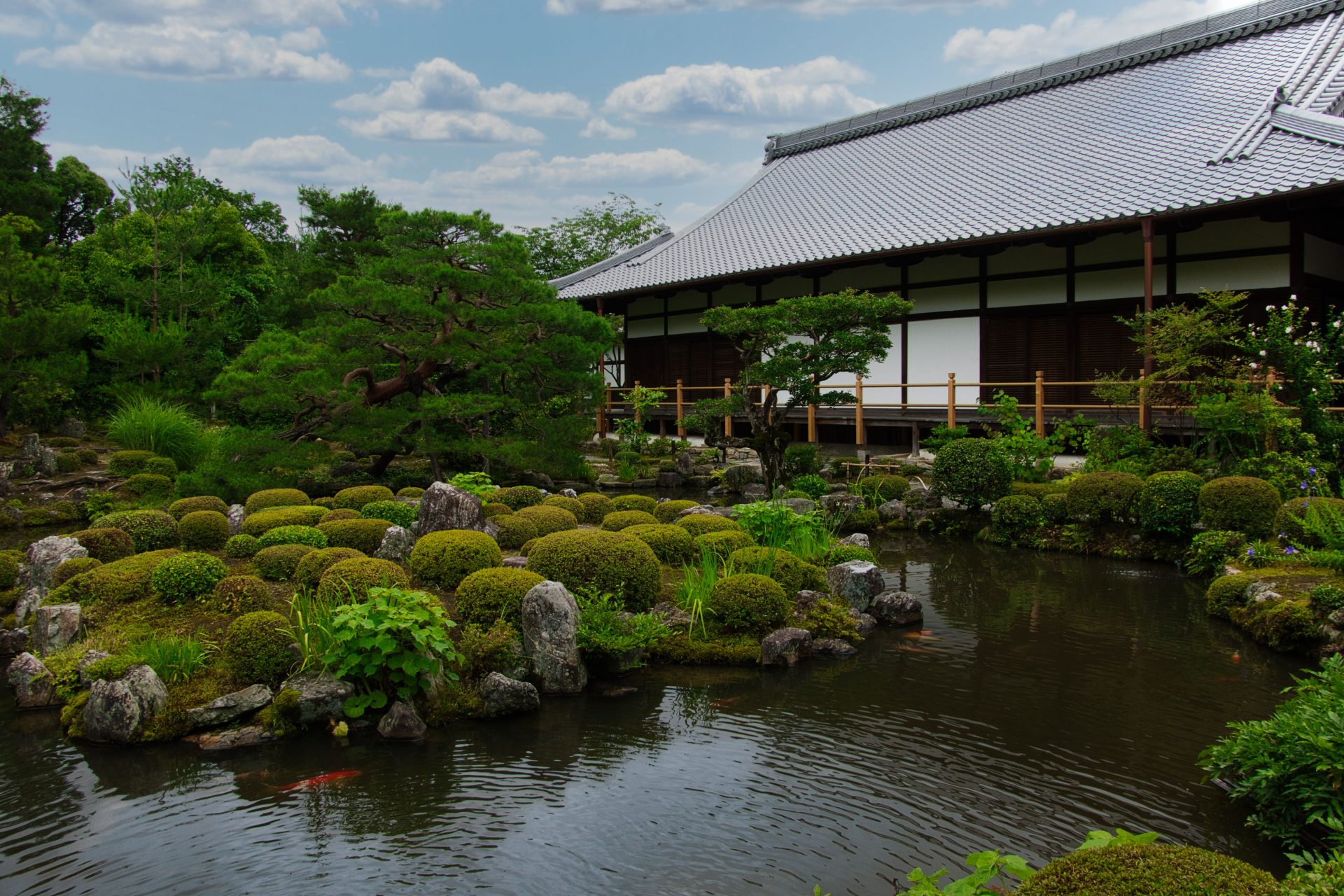
Insider Tips from Kyoto Locals! 4 Hidden-Gem Shrines and Temples to Visit Without the Crowds [Including Visiting Hours and Admission Fees]
Visiting shrines and temples is an essential part of sightseeing in Kyoto, but popular spots like Kiyomizu-dera Temple and Fushimi Inari Taisha attract large numbers of visitors regardless of the season […]