

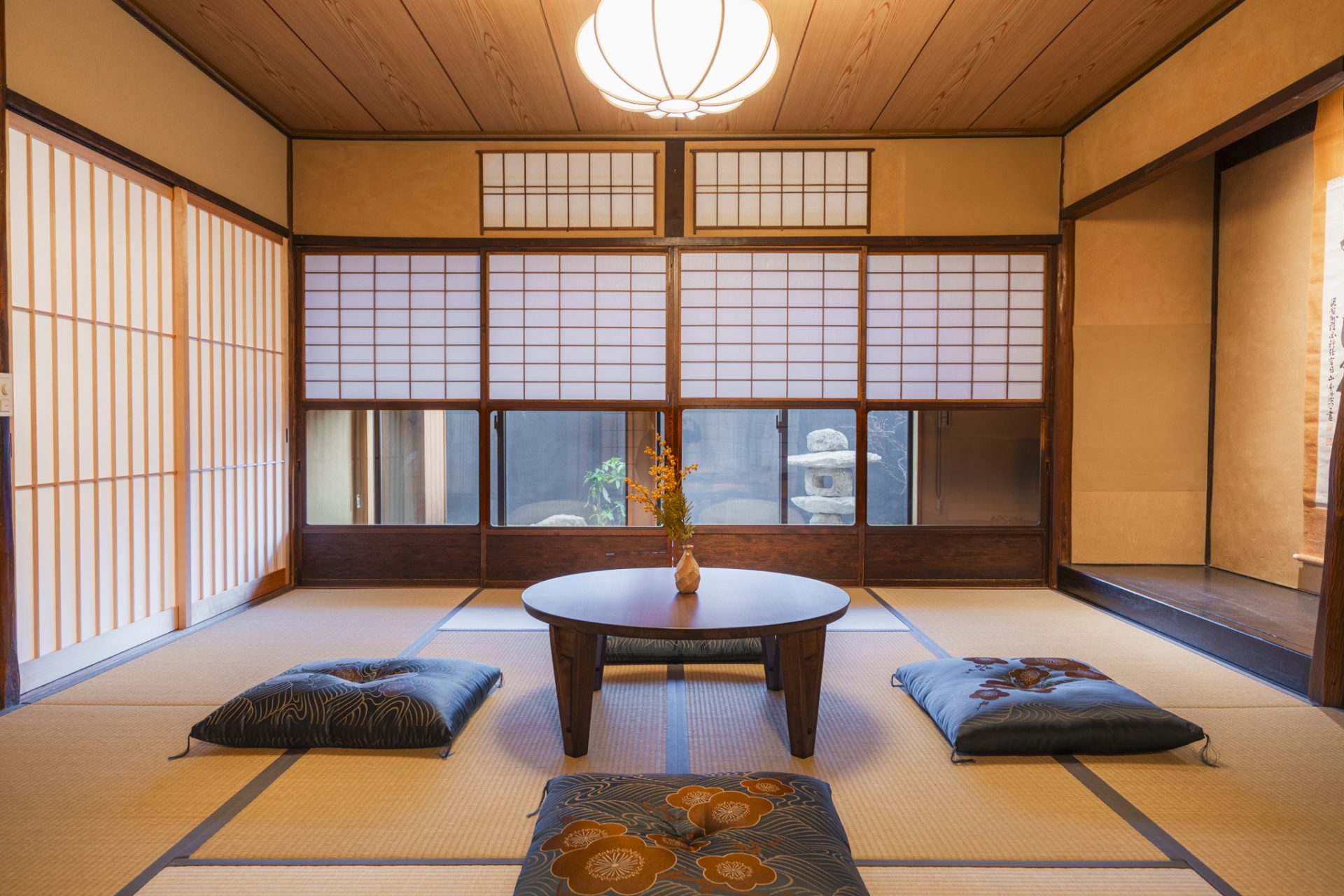
Kyoto, the "Thousand-Year Capital," enjoys immense popularity as a "must-visit destination" not only among travelers within Japan but also among those from overseas.
In this article, based on public data from sources such as the Kyoto City Tourism Association, we’ll take a detailed look at why Kyoto attracts so many foreign tourists, exploring the city from the perspectives of history, culture, cuisine, experiences, and World Heritage sites.
Table of Contents
■Number of Foreign Tourists Visiting Kyoto
■Why Kyoto Is Popular Among Foreigners
■Guide to the 17 Sites of the "Historic Monuments of Ancient Kyoto" World Cultural Heritage Site
■ Summary
■Number of Foreign Tourists Visiting Kyoto
According to data released by the Kyoto City Tourism Association (DMO KYOTO), the number of tourists visiting Kyoto City in 2025 reached 62.79 million (an increase of 6.73 million from the previous year), setting a new record high.
Of this total, foreign tourists numbered 12.68 million (an increase of 1.8 million from the previous year), also setting a record high.
The number of overnight visitors reached 16.59 million, while the number of international overnight visitors (actual count) reached 8.09 million—both setting new records. Tourism spending totaled 2.0474 trillion yen, and the economic ripple effect amounted to 2.2193 trillion yen.
Partly due to the weak yen, travel demand from countries and regions around the world has been steadily increasing in recent years.
Among these, Fushimi Inari Taisha is a popular tourist destination for foreign visitors and is frequently ranked among the top spots in both domestic and international lists. As the head shrine of the approximately 30,000 Inari shrines nationwide, it boasts a history of over 1,300 years, and visitors are welcome to pray on the grounds at any time of day. The sight of tourists dressed in kimono taking photos against the backdrop of the vermilion Senbon Torii has become a quintessential Kyoto scene, visible day and night.
■Why Kyoto Is Popular Among Foreigners
○There are many world cultural heritage sites.
Kyoto is home to the “Cultural Properties of the Ancient Capital of Kyoto,” which were inscribed on the UNESCO World Heritage List in 1994.
This spans Kyoto City and Uji City (Kyoto Prefecture) as well as Otsu City (Shiga Prefecture)17 underlying assetsThis World Heritage Site comprises a number of Japan’s most famous landmarks, including Kiyomizu-dera Temple, Kinkaku-ji Temple (Rokuon-ji), Ginkaku-ji Temple (Jisho-ji), Nijo Castle, and Byodo-in Temple (a detailed list is provided below).
It is rare even on a global scale to find a single metropolitan area where visitors can easily visit so many World Heritage Sites, making it a major attraction for travelers interested in history and architecture.
○ Because you can experience the "essence of Japan" through things like shrines, temples, and maiko
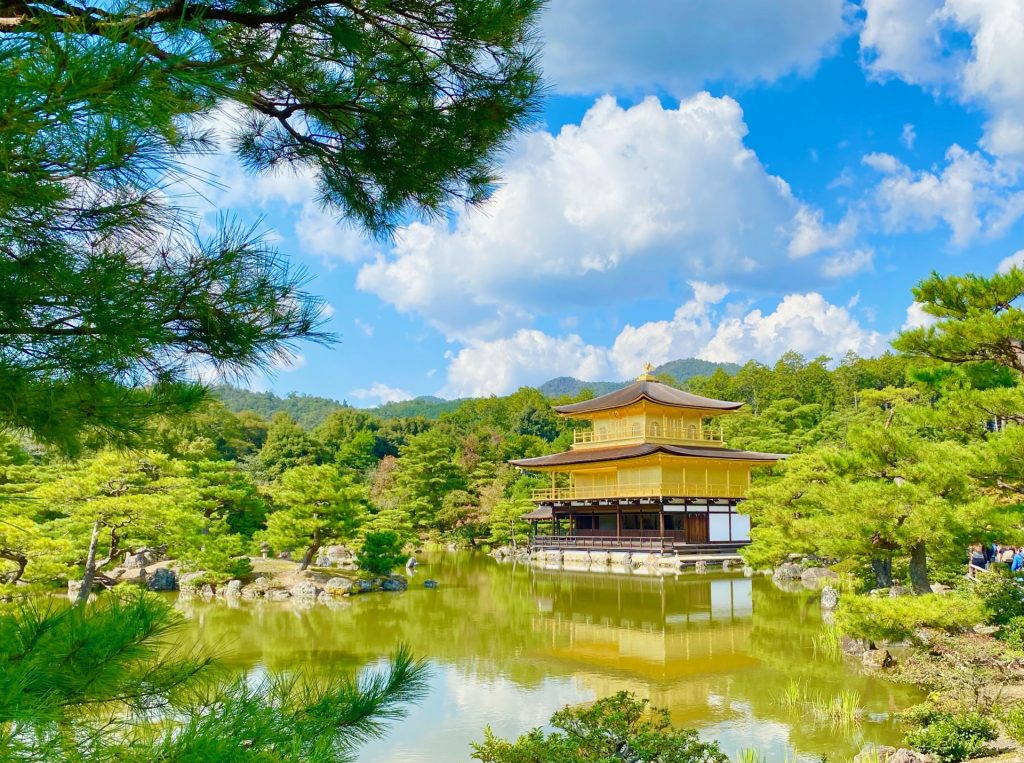
Kyoto is home to numerous shrines and temples, including the Golden Pavilion (Kinkaku-ji), the Silver Pavilion (Ginkaku-ji), Fushimi Inari Taisha, Ryoan-ji, and Kiyomizu-dera, and its grid-patterned city layout creates a unique landscape.
At night, you may spot maiko and geiko heading to private dining rooms in the hanamachi districts, such as Gion; these scenes are a unique charm of Kyoto that you rarely experience in other cities.
○ Because you can experience Kyoto’s food culture
Kyoto is a city where you can experience a high-quality food culture, ranging from traditional Japanese sweets to Japanese cuisine.
The matcha sold by this long-established tea shop in Uji can be enjoyed not only as a beverage but also in a variety of desserts, such as shaved ice, soft-serve ice cream, and parfaits.
In addition, the “Three Great Pickles of Kyoto”—shibazuke, sugukizuke, and senmaizuke—are also a culinary tradition unique to Kyoto.
With "Washoku" having been inscribed on the UNESCO Intangible Cultural Heritage list in 2013, Kyoto has become an ideal destination for foreign travelers who wish to experience traditional Japanese food culture.
There is also an abundance of flavors unique to Kyoto, such as yatsuhashi, yuba, and hamo dishes.
○ Because you can experience beautiful scenery throughout the four seasons
In Kyoto, you can enjoy beautiful scenery throughout the four seasons, from cherry blossoms in spring to autumn foliage.
Kamigamo Shrine, Heian Jingu Shrine Garden, and Ninnaji Temple are particularly well-known for their cherry blossoms, while Tofukuji Temple, Kiyomizu-dera Temple, Eikando Temple, and Arashiyama are famous for their autumn foliage; during the peak seasons, these sites are bustling with tourists from both Japan and abroad.
○ Because there's a wide variety of attractive souvenirs
Kyoto offers a dazzling array of souvenirs, ranging from delicately crafted Japanese sweets to traditional crafts such as Kyoto Yuzen and Kiyomizu-yaki pottery, as well as coin purses, folding fans, Kyoto-style folding fans, and bookmarks. Thanks in part to their beautiful packaging, these items are highly regarded by international travelers as “unique, delicate, and charming.”
○ Because you can experience traditional festivals and seasonal events firsthand
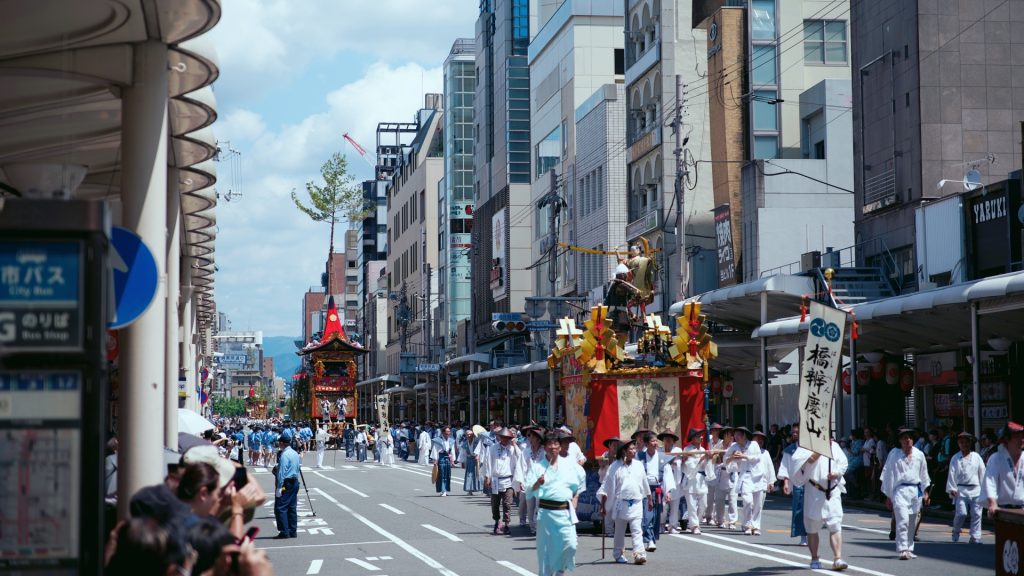
Throughout the year, events are held where you can experience Japanese history and culture firsthand, including the Aoi Festival, the Gion Festival, and the Jidai Festival—known as the Three Great Festivals of Kyoto—as well as the “Gozan no Okuribi,” a traditional summer event.
The Gion Festival's Yamahoko Parade is listed as one of the "Yama, Hoko, and Yatai Festivals" on the UNESCO List of Intangible Cultural Heritage and attracts large crowds of spectators from both Japan and abroad.
○ Because you can experience authentic Japanese culture
In Kyoto, there are numerous facilities where even tourists can easily experience traditional arts such as the tea ceremony, calligraphy, ikebana, and zazen. Through a tea ceremony experience, you can learn the proper etiquette for preparing tea and the spirit of hospitality, while a zazen experience allows you to savor a quiet moment of mental focus in the Zen traditions (Sōtō and Rinzai).
In addition, Kyoto’s major appeal lies in the fact that it offers tourism experiences that go beyond just “seeing”—such as renting a kimono to walk around the city, making sweets with Uji matcha, crafting traditional Japanese confections, pottery, and painting Kyoto folding fans.
At Toei Uzumasa Movie Village in Uzumasa, you can explore period drama sets, try on costumes, and experience Japanese film culture.
○ Because it’s well-known as a setting for movies and anime
Kyoto, with its many traditional townhouses, historic temples and shrines, and abundant natural beauty throughout the four seasons, has long been a popular location for film and television productions, particularly period dramas.
In recent years, Kyoto has become known as a setting for anime series, and thanks to YouTube and social media, an increasing number of travelers are visiting the city to go on “pilgrimages” to the actual locations featured in these works.
One of the reasons Kyoto is so highly sought after as a “must-visit destination” is that visitors can see with their own eyes the scenery they’ve seen in films and anime.
○ Because we have a spirit of hospitality
People overseas often describe Japan as "polite" and "hospitality-oriented."
Kyoto, highly regarded for its history, traditional culture, and culinary traditions, is a city that is frequently chosen as a “must-visit destination.” Its hospitality culture—which expresses consideration for others through attention to detail, thoughtfulness, and care—is a uniquely Japanese charm that resonates with travelers even beyond language barriers.
○ Because you can enjoy a variety of natural landscapes—mountains, the ocean, and the countryside—
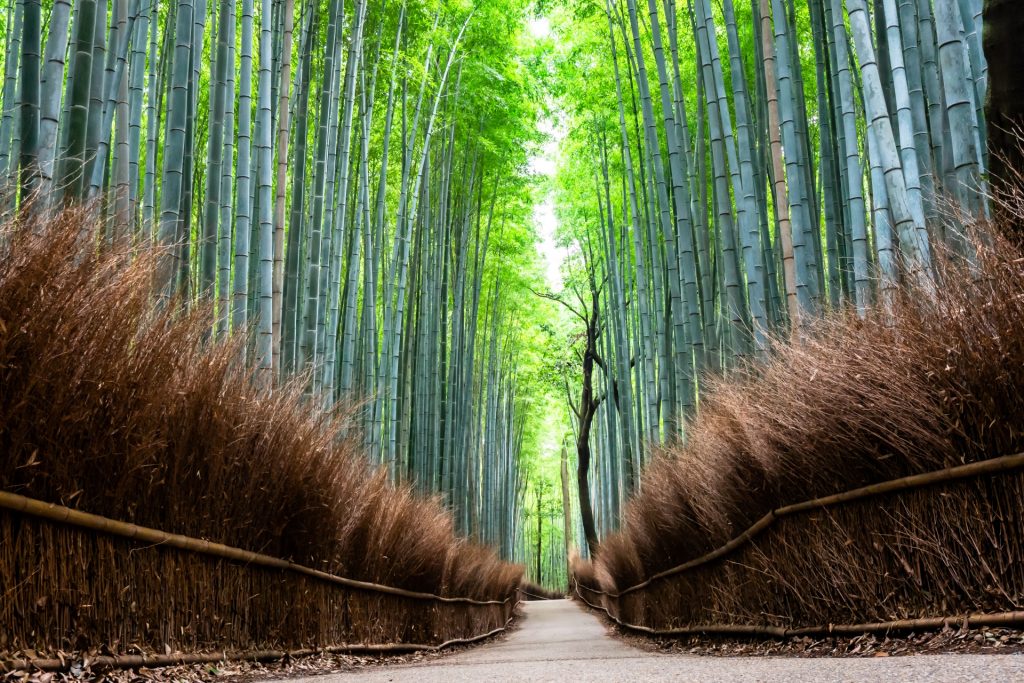
Kyoto Prefecture boasts a diverse natural environment within its borders. Ayabe City, Maizuru City, Fukuchiyama City, and Kyotango City—areas facing the Sea of Japan—are known as “Marine Kyoto”; the mountainous regions, such as Kameoka City, Ukyo Ward, and Nantan City, are known as “Forest Kyoto”; and the tea-producing regions of Uji City, Ujitawara Town, and Wazuka Town are known as “Tea Kyoto.” Each of these areas is promoted as a tourist destination with its own unique charm. Even within Kyoto City, you can experience the changing seasons up close by walking along the banks of the Kamo and Katsura Rivers, and if you venture a little further out into the suburbs, you’ll find campgrounds and idyllic rural scenery.
○ Because it is the birthplace of tea culture
Japanese green tea culture is said to have originated in Kyoto. It is believed to have begun in the early Heian period when envoys to Tang China and monks studying abroad brought tea back from China; the Heian-period historical text *Nihon Koki* contains a record from 815 stating that the monk Eichū presented tea to Emperor Saga. The culture of the tea ceremony developed during the Muromachi period and spread to the common people during the Edo period.
When it comes to tea from Kyoto, Uji tea is famous; it is known not only for matcha but also for high-quality teas such as sencha and gyokuro. Even today, vast tea fields stretch across areas like Wazuka Town in southern Kyoto Prefecture, making it one of the prefecture’s leading tea-producing regions. In recent years, sweets made with matcha have also become popular, and the coexistence of tradition and modern enjoyment is part of its appeal.
○ Because there are plenty of accommodation options, such as guesthouses,
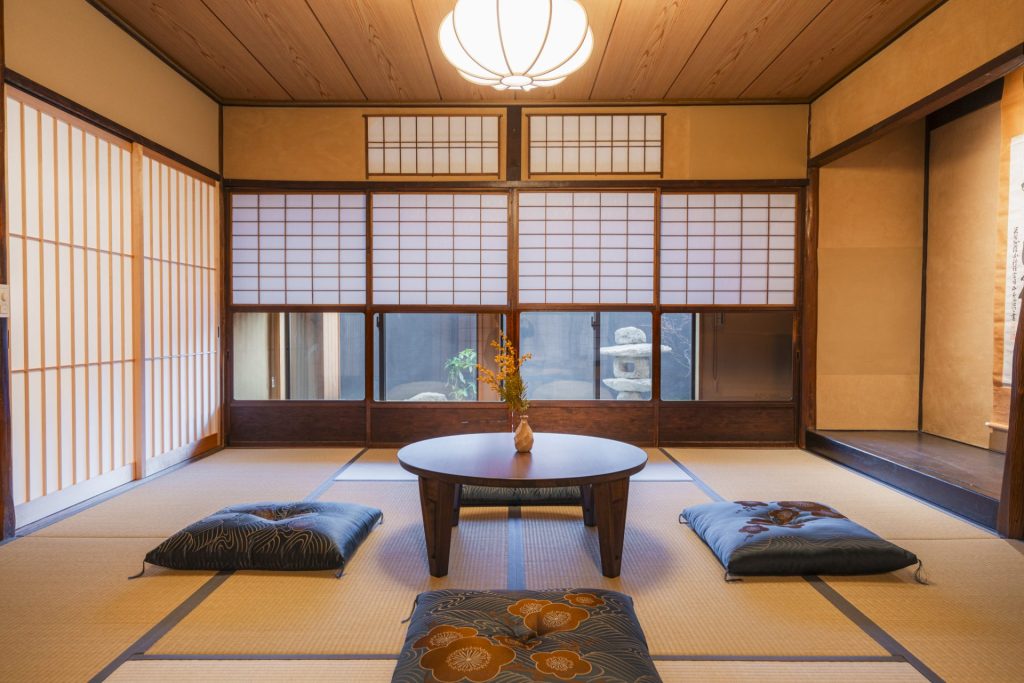
Kyoto is home to numerous guesthouses—including accommodations converted from traditional Kyoto townhouses—that place a high value on hospitality rooted in Japanese culture. With facilities featuring staff who speak English, multilingual in-house signage, and accommodations serving homemade Japanese cuisine, the city offers an environment where international travelers can feel at ease during their stay.
○ Because it's also a popular venue for international exchange
Many travelers visit Kyoto with the aim of experiencing cross-cultural exchange, and the city provides an environment where people with shared hobbies and interests—regardless of nationality—can naturally connect. One of Kyoto’s unique charms is the opportunity to meet not only Japanese people but also travelers from around the world through guesthouses, tours, and hands-on experience facilities.
○ Because there are international events like the Kyoto Marathon
Held every February, the “Kyoto Marathon” is a full marathon event featuring a course that winds through Kyoto’s famous landmarks, including World Heritage sites, Arashiyama, and the banks of the Kamo River. With “DO YOU KYOTO?” as its theme, the event is known for its environmentally conscious operations and has become a truly international competition, attracting many runners from overseas.
○ Because multilingual support is becoming more widespread
Accommodations and tourist facilities throughout Kyoto City are widely equipped with staff who speak foreign languages and multilingual signage. There is also a wide selection of guided bus tours with interpreters for languages such as English, Chinese, and Korean, creating an environment where even first-time visitors to Kyoto can explore the city with confidence. The availability of medical facilities staffed with multilingual personnel to assist in the event of a sudden illness also provides peace of mind for travelers.
■Guide to the 17 Sites of the "Historic Monuments of Ancient Kyoto" World Cultural Heritage Site
The “Cultural Properties of the Ancient Capital of Kyoto,” inscribed on the World Heritage List in 1994, consists of 17 temples, shrines, and castles scattered throughout Kyoto City, Uji City, and Otsu City. A distinctive feature of this site is that it consists solely of properties featuring National Treasure buildings and gardens designated as Special Places of Scenic Beauty, allowing visitors to experience up close the finest examples of Japanese architecture and garden culture from the Heian through the Edo periods.
○ Kinkaku-ji (Rokuon-ji)
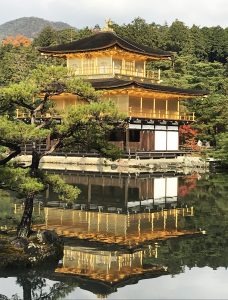
It is a sub-temple of Shōkoku-ji located in Kita Ward, Kyoto City, and its official name is “Rokuon-ji.”
It is affectionately known as “Kinkaku-ji” because gold leaf adorns both the interior and exterior of the building. The temple complex is characterized by its layout, in which the Sanmon Gate, the Buddha Hall, and the Dharma Hall are aligned in a straight line, as well as by the 46 sub-temples surrounding it. It also houses valuable cultural properties, including calligraphy by the National Treasure, Daito Kokushi, and a temple bell.
- Address: 1 Kinkakuji-cho, Kita-ku, Kyoto-shi, Kyoto
- Phone: 075-461-0013
- Directions: From Kitaoji Station on the Kyoto Municipal Subway Karasuma Line, take City Bus Route 205 and get off at "Kinkakuji-michi"; the destination is right there.
- Official Website:https://www.shokoku-ji.jp/kinkakuji/
○ Ginkaku-ji (Jishō-ji)
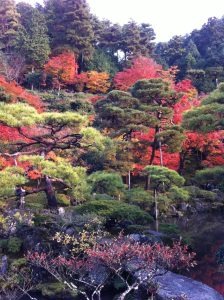
It is a sub-temple of Shōkoku-ji in Sakyo Ward, Kyoto City, and its official name is “Jishō-ji.”
It was built by Ashikaga Yoshimasa, the 8th shogun of the Muromachi shogunate, as a mountain villa; the Tōkyūdō hall within the grounds is known as the oldest surviving Shoin-zukuri-style building in Japan. There are several theories regarding why the pavilion, though called the “Silver Pavilion,” does not feature silver leaf—including financial difficulties and Yoshimasa’s death—but the true reason remains unclear.
- Address: 2 Ginkakuji-cho, Sakyo Ward, Kyoto City, Kyoto Prefecture
- Phone: 075-771-5725
- Directions: Take City Bus Route 100 from JR "Kyoto Station" and get off at "Ginkakuji-mae"; the destination is right there.
- Official Website:https://www.shokoku-ji.jp/ginkakuji/
○ Saifukuji Temple (Moss Temple)
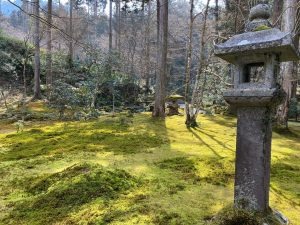
An independent temple of the Rinzai school located in Nishikyo Ward, Kyoto City, commonly known as the "Moss Temple."
The garden, covered with approximately 120 varieties of moss, is known for its enchanting beauty, and the tea house “Shonan-tei” within the garden has been designated as an Important Cultural Property. Please note that advance reservations are required for admission, either via a return postcard or online.
- Address: 56 Matsuo Kamigaya, Nishikyo-ku, Kyoto-shi, Kyoto
- Phone: 075-391-3631
- Directions: About a 12-minute taxi ride from Katsura Station on the Hankyu Kyoto Line
- Official Website:https://saihoji-kokedera.com/
○ Shimogamo Shrine (Kamo Myojin Shrine)
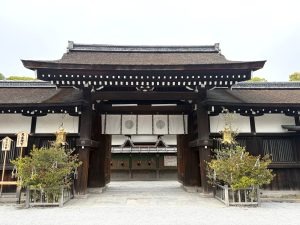
A shrine located in Sakyo Ward, Kyoto City; its official name is “Kamo Myojin Shrine.”
Known for its blessings in matters of matchmaking, fertility, and traffic safety, it is considered one of Kyoto’s premier power spots. It is also famous for the “Mitarai Festival” (held around the Day of the Ox during the Dog Days of Summer), during which worshippers immerse their feet up to the knees in the Mitarai Pond on the temple grounds to pray for good health and freedom from illness.
- Address: 59 Shimogamo-Izumigawa-cho, Sakyo-ku, Kyoto-shi, Kyoto
- Phone: 075-781-0010
- Directions: Take City Bus Route 4 from JR "Kyoto Station" and get off at "Shimogamo Shrine-mae"; the destination is right there.
- Official Website:https://www.shimogamo-jinja.or.jp/
○Nishi Hongan-ji (Hongan-ji)
Affectionately known as “O-Nishi-san,” this is the head temple of the Jodo Shinshu Hongwanji School, located in Shimogyo Ward, Kyoto City.
It features numerous National Treasure-designated structures, including the Mikage-dō, Amida-dō, Shōin, Kuro-shōin, Hiyun-kaku, and the North Noh Stage.
- Address: Honganji-monzenmachi, Hanaya-cho-sagaru, Horikawa-dori, Shimogyo-ku, Kyoto-shi, Kyoto
- Phone: 075-371-5181
- Directions: About a 20-minute walk from JR "Kyoto Station"
- Official Website:https://www.hongwanji.kyoto/
○ Kamigamo Shrine (Kamo-Wakuraijinja)
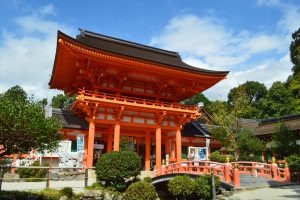
"Kamo-Wakuraijinja," located in Kyoto's Kita Ward, is considered one of the oldest shrines in Kyoto.
It is characterized by its historic complex of shrine buildings, which includes two National Treasures and 41 Important Cultural Properties.
- Address: 339 Kamigamo Motoyama, Kita-ku, Kyoto-shi, Kyoto
- Phone: 075-781-0011
- Directions: About 25 minutes by city bus from JR "Kyoto Station"
- Official Website:https://www.kamigamojinja.jp/
○ Tō-ji (Kyōō Gokoku-ji)
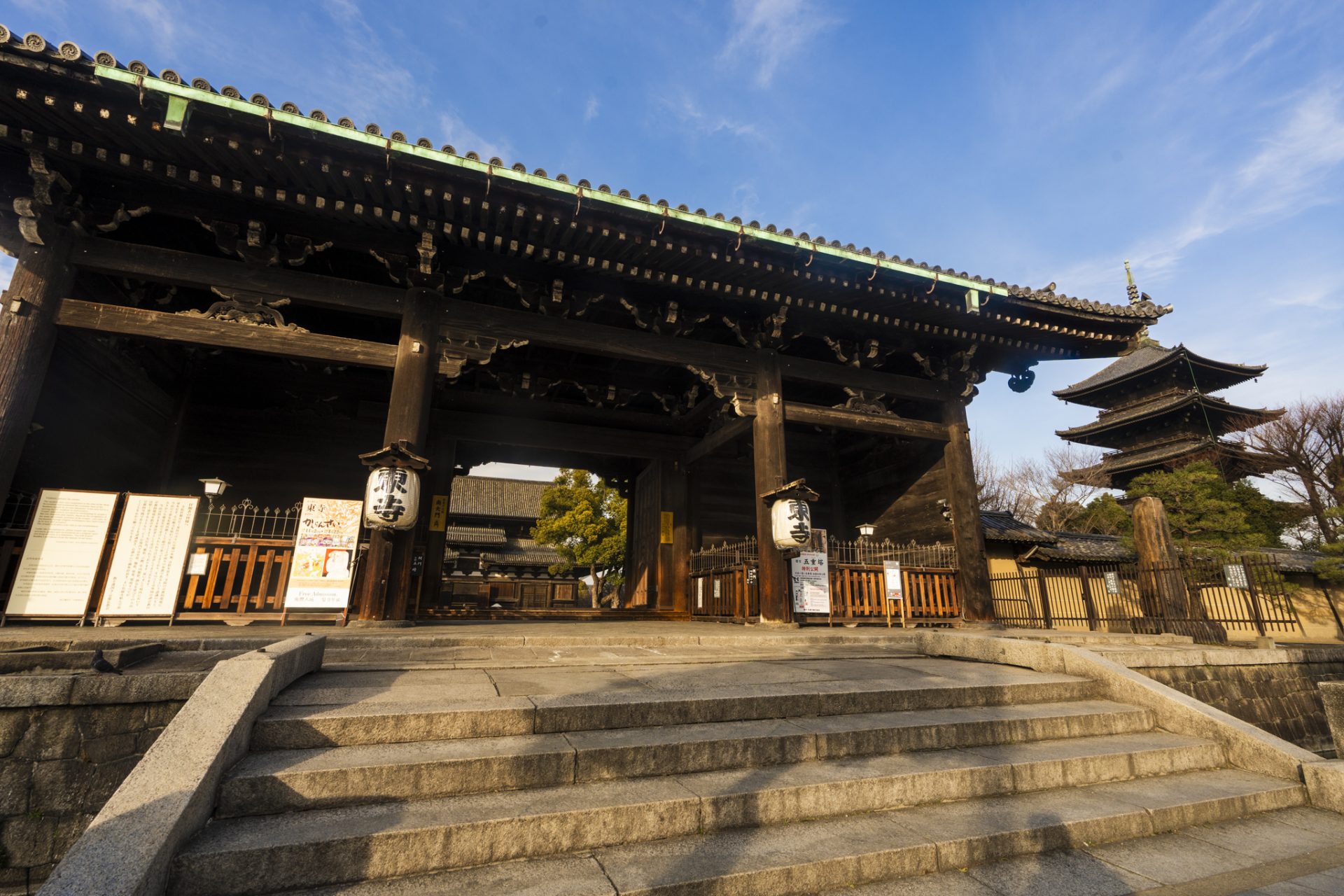
Located in Minami Ward, Kyoto City, this is one of the state-sponsored temples built to protect the nation when the capital was moved to Heian-kyō. Its official name is “Kyōō Gokoku-ji.” The East Gate and the “Five-Story Pagoda” (approximately 55 meters tall)—the tallest surviving wooden structure in Japan—are must-see attractions.
- Address: 1 Kujō-chō, Minami-ku, Kyoto City, Kyoto Prefecture
- Phone: 075-691-3325
- Directions: About a 15-minute walk from JR "Kyoto Station"
- Official Website:https://toji.or.jp/
○Shimizu Temple
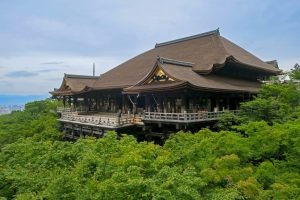
Located in Higashiyama Ward, Kyoto City, this temple boasts a history of more than 1,200 years since its founding. The main hall—known as the “Kiyomizu Stage” for its structure that juts out from a cliff—is designated a National Treasure, and the temple also houses numerous Important Cultural Properties, including a three-story pagoda. Other popular attractions on the grounds include Otowa Waterfall and the “Womb Tour” inside the Zuiyudo Hall.
- Address: 1-294 Kiyomizu, Higashiyama-ku, Kyoto-shi, Kyoto
- Directions: Take the Kyoto City Bus and get off at "Gojozaka" or "Kiyomizu-michi"; it's about a 10-minute walk from there.
- Official Website:https://www.kiyomizudera.or.jp/
○Daigoji Temple
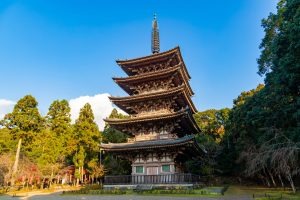
The head temple of the Shingon-shu Daigo sect, located in Fushimi Ward, Kyoto City. It offers numerous highlights, including the Five-Story Pagoda (built in 951), considered the oldest surviving wooden structure in Kyoto; Sanbo-in, which houses numerous structures designated as Important Cultural Properties of Japan; and the Kondo, which preserves the architectural style of the late Heian period.
- Address: 22 Daigo Higashioji, Fushimi Ward, Kyoto City, Kyoto Prefecture
- Phone: 075-571-0002
- Directions: From "Yamashina Station" on the JR Tokaido Main Line, transfer to the Kyoto Municipal Subway Tozai Line and get off at "Daigo Station"; the destination is right there.
- Official Website:https://www.daigoji.or.jp/
○Ninna-ji Temple
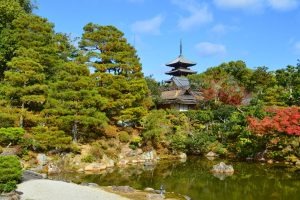
Located in Ukyo Ward, Kyoto City, this is the head temple of the Omuro School of the Shingon sect and was founded in 888. After being destroyed by fire during the Onin War, it was rebuilt with the support of Tokugawa Iemitsu, the third shogun of the Edo shogunate. There are many highlights to see, including the gardens (North Garden and South Garden), designated as National Scenic Spots, the five-story pagoda, and the Niō Gate.
- Address: 33 Omuro Ouchi, Ukyo Ward, Kyoto City, Kyoto Prefecture
- Phone: 075-461-1155
- Directions: About a 3-minute walk from Omuro-Ninnaji Station on the Randen (Keifuku Electric Railway) Kitano Line
- Official Website:https://ninnaji.jp/
Tenryuji Temple
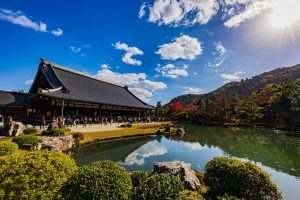
The head temple of the Tenryū-ji branch of the Rinzai school, located in Arashiyama, Ukyō Ward, Kyoto City. The massive dragon painting on the ceiling of the Dharma Hall, titled “Cloud Dragon” (created by Japanese painter Matazo Kayama as part of the project commemorating the 650th anniversary of Tenryū-ji’s founding), is known for appearing to stare intently at the viewer from any angle. The gardens, including the Sōgen-chi Garden, are also highlights of the temple.
- Address: 68 Sagano-baba-cho, Tenryuji, Saga, Ukyo-ku, Kyoto-shi, Kyoto
- Phone: 075-881-1235
- Directions: About a 13-minute walk from "Saga-Arashiyama Station" on the JR Sagano Line
- Official Website:https://www.tenryuji.com/
Ryoanji Temple
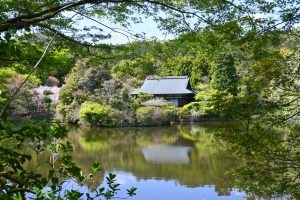
Located in Ukyo Ward, Kyoto City, this temple belongs to the Myoshin-ji branch of the Rinzai school of Zen Buddhism and is renowned for its "stone garden," one of Japan’s most representative examples of a dry landscape garden. When Queen Elizabeth II of the United Kingdom visited Japan in 1975, she praised the stone garden highly, and this was widely reported in the international media; since then, it has become known worldwide as the "Rock Garden."
- Address: 13 Ryōanji Goryō-no-shita-chō, Ukyō-ku, Kyoto City, Kyoto Prefecture
- Phone: 075-463-2216
- Directions: About a 10-minute walk from "Ryoan-ji Station" on the Keifuku Electric Railway (Randen)
- Official Website:https://www.ryoanji.jp/
○Kozan Temple
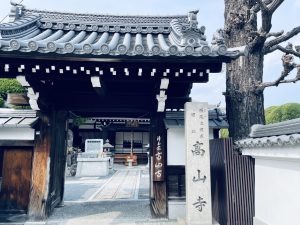
Located in Togano, Ukyo Ward, Kyoto City, this ancient temple is known as one of the birthplaces of Japanese tea, and the grounds still feature what is believed to be Japan’s oldest tea garden. It is said to have been founded during the Nara period and was revived by the monk Myoe during the Kamakura period. Highlights include the National Treasure “Pictures of Animals, People, and Scenes” (the temple holds a portion of the four-volume set) and the Sekisui-in Hall.
- Address: 8 Umegahata Tsugao-cho, Ukyo-ku, Kyoto-shi, Kyoto
- Phone: 075-861-4204
- Directions: Take the city bus (Takao/Keihoku Line) from JR "Kyoto Station" and get off at "Tsugano-o."
- Official Website:https://kosanji.com/
Byodoin
Located in Uji City, Kyoto Prefecture, this temple is famous for the National Treasure “Byōdō-in Phoenix Hall,” which is also known for its appearance on the 10-yen coin. Designed to recreate the Pure Land of Bliss, its location on an island in Aji Pond perfectly evokes the image of it floating on the treasure pond of the Pure Land. It is also revered as a guardian Buddha for women and is known for granting blessings for finding a good marriage partner and a safe childbirth.
- Address: 116, Uji Renge, Uji City, Kyoto, Japan
- Phone: 0774-21-2861
- Directions: About a 10-minute walk from JR "Uji Station"
- Official Website:https://www.byodoin.or.jp/
○ Nijo Castle (Former Imperial Villa Nijo Castle)
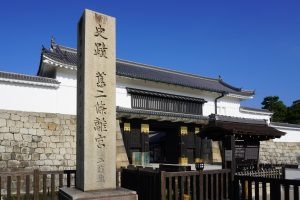
A castle in Nakagyo Ward, Kyoto, associated with the Tokugawa shogunate. The Ninomaru Palace features a corridor with “uguhari” flooring—which emits a creaking sound when walked upon to alert the occupants to intruders—and the screen paintings by the Kano school are also a highlight. It is also known as the site where the Restoration of Imperial Rule took place.
- Address: 541 Nijojo-machi, Nijo-dori Horikawa-nishiiru, Nakagyo-ku, Kyoto-shi, Kyoto
- Phone: 075-841-0096
- Directions: About a 2-minute walk from "Nijo-jo-mae Station" on the Kyoto Municipal Subway Tozai Line
- Official Website:https://nijo-jocastle.city.kyoto.lg.jp/
Enryakuji Temple
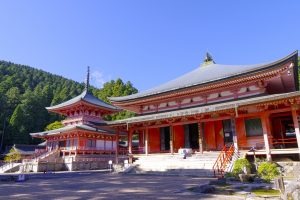
Located on Mount Hiei, which straddles Sakyo Ward in Kyoto City and Otsu City in Shiga Prefecture, this is the head temple of the Tendai sect. It is known as the “Mother Mountain of Japanese Buddhism,” where the founders of various Japanese Buddhist sects—including Honen, Shinran, Eisai, Dogen, and Nichiren—underwent ascetic training in their youth.
- Address: 4220 Sakamoto Honmachi, Otsu City, Shiga Prefecture
- Phone: 077-578-0001
- Directions: About a 7-minute walk from "Enryaku-ji Station" on the Sakamoto Cable Car
- Official Website:https://www.hieizan.or.jp/
Ujigami Shrine
A shrine located in Uji City, Kyoto Prefecture. The main hall (dating from the late Heian period), considered the oldest surviving shrine architecture in Japan, and the worship hall, built during the Kamakura period, are both designated as National Treasures. One of the enshrined deities, Uji no Wakiiratsuko no Mikoto, is revered as the god of learning and is known for granting blessings for academic success and passing exams.
- Address: 59 Uji Yamada, Uji City, Kyoto, Japan
- Phone: 0774-21-4634
- Directions: About a 10-minute walk from Uji Station on the Keihan Uji Line
■ Summary
Kyoto is a city where you can experience the essence of “Japan” in all its forms—from its 17 UNESCO World Heritage sites and other historic structures to the beauty of nature throughout the four seasons, traditional festivals and cultural experiences, and its refined culinary culture. In 2025, a record-high 12.68 million international tourists visited Kyoto City, and its popularity continues to grow.
From exploring World Heritage sites to hands-on activities, culinary delights, and seasonal scenery, the true charm of Kyoto lies in the fact that you’ll discover something new every time you visit. Be sure to add Kyoto to your list of potential travel destinations.
*The statistical data in this article is based on publicly available materials from sources such as the Kyoto City Tourism Association (DMO KYOTO). Information regarding admission fees, hours of operation, and access details is subject to change; please be sure to check the latest information on each facility’s official website before visiting.


