


In Kyoto, there are many temples where visitors can enjoy a cup of matcha on the temple grounds while touring the premises. Savoring a cup of matcha while gazing at the green maple leaves, autumn foliage, and moss-covered gardens is a luxurious way to leisurely soak in the unique atmosphere of Kyoto.
In this article, we’ll introduce five temples where you can enjoy both the gardens and matcha. We’ve also compiled information you’ll want to know before your visit, such as admission fees, matcha prices, and how to get there.
*The admission fees, hours, and access information in this article are current as of the time of writing. Temple hours, admission fees, and the availability of matcha may vary depending on the season or the presence of special viewing events. Be sure to check the official website or other sources for the latest information before you go.
■Renge-ji Temple | The tranquility of northern Kyoto and a garden designed by Jōzan Ishikawa

Features
This Tendai sect temple was originally located on Shichijō-dōri, but in Kanbun 2 (1662) of the early Edo period, Chikayoshi Imaeda, a senior retainer of the Kaga Domain, relocated it to its current site in Kamitakano, Sakyo Ward, and reestablished it to honor his father’s memory. It is said that prominent cultural figures of the time, such as Ishikawa Jōzan, Kano Tanyū, and Zen Master Ingen, collaborated on the temple’s restoration.
A highlight of the temple grounds is the “Renge-ji-style stone lantern,” featuring a steeply sloped, hexagonal “hat.” This design was favored by Edo-period tea masters and adds a touch of charm to the garden’s scenery. The garden is said to have been designed by Ishikawa Jōzan in the “ike-sen-kaiyū” (strolling pond) style and is known for the beautiful contrast between the green maple leaves of early summer and the autumn foliage and moss. Approximately 3,000 stone Buddha statues line the approach to the temple; these were reportedly unearthed during construction work for the Kyoto City Tram line.
After checking in at the reception desk, you can enjoy a cup of matcha while gazing out at the garden from the study hall.
Basic Information
| Item | Contents |
| address (e.g. of house) | 1 Kamitakano Hachiman-cho, Sakyo Ward, Kyoto City |
| Visiting Hours | 9:00 a.m. to 5:00 p.m. |
| Admission Fee | Adults: 500 yen |
| Directions | About a 7-minute walk from the "Miyake-Hachiman" Station on the Eizan Electric Railway / Right next to the "Kamihashi" stop on the Kyoto Bus |
| Official Website | nashi (Pyrus pyrifolia, esp. var. culta) |
Quick Tip: Since this temple limits the number of visitors to maintain a peaceful atmosphere, you can enjoy a relatively quiet visit. It becomes particularly popular during the fall foliage season and when the maple leaves are still green, so we recommend visiting early in the day.
■Chōraku-ji Temple | A Temple Tied to *The Tale of the Heike*, Hidden Deep Within Maruyama Park

Features
This ancient temple is said to have been founded in the 24th year of the Enryaku era (805) by the Great Teacher Saichō, who, acting on an imperial decree from Emperor Kanmu, established it as a branch temple of Enryaku-ji. It is said that in the first year of the Bunji era (1185), Kenreimon-in (Tokuko, the daughter of Taira no Kiyomori) took monastic vows at this temple after the Battle of Dan-no-ura, and it is known as a temple that brings the world of the *Heike Monogatari* to life today.
The charm of this temple lies in its grounds, enveloped in tranquility, which appear as you pass through the bustle of Maruyama Park and venture further in. While gazing at the garden—said to be the work of the Muromachi-period painter Soami—you can enjoy matcha tea in the tatami-mat room of the guest hall.
Basic Information
| Item | Contents |
| address (e.g. of house) | 626 Maruyama-cho, Higashiyama Ward, Kyoto City |
| Visiting Hours | 9:00 a.m. to 5:00 p.m. (Closed Thursdays, except during special viewing periods) |
| Admission Fee | Adults: 800 yen (prices may vary during the special viewing periods in spring and fall) |
| Matcha Experience | Matcha experience with a tea ceremony demonstration available (separate reservation and fee required) |
| Directions | Take the city bus to the "Gion" stop; it's about a 10-minute walk from there. |
| Official Website | https://www.chorakuji.or.jp/ |
Quick Tip: Visiting hours, the dates of special viewing events, and the fees for the matcha tea ceremony experience vary depending on the season. It’s best to check the official website for the latest opening hours before your visit.
■Byōdō-in | Experience Authentic Uji Matcha at a World Heritage Site

Features
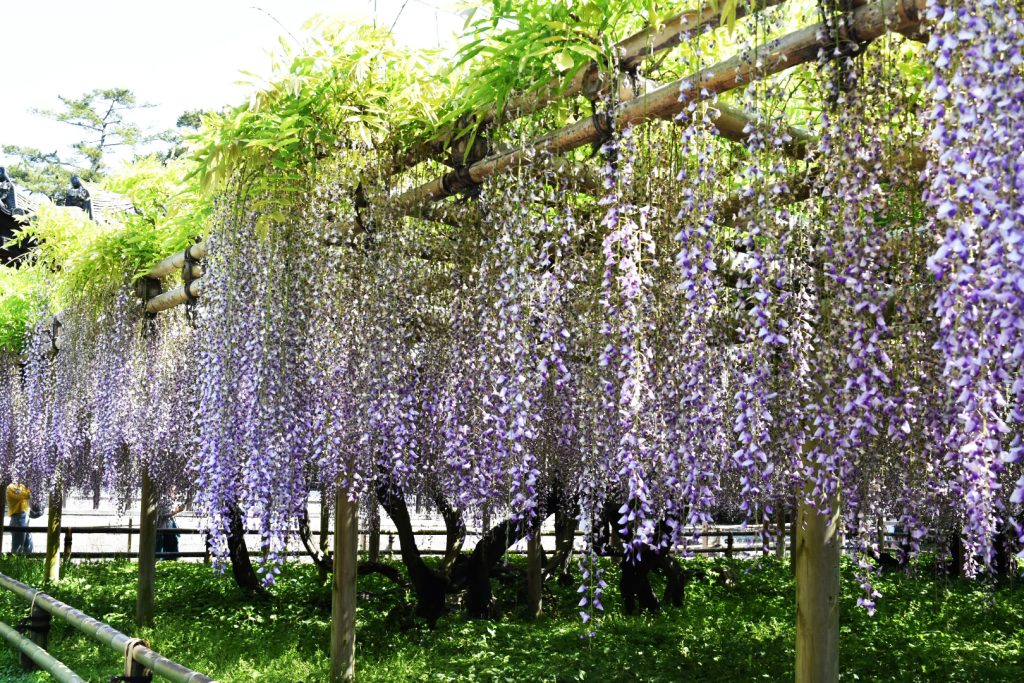
Byōdō-in was founded in the late Heian period when Fujiwara no Yorimichi converted his father Fujiwara no Michinaga’s villa into a temple. The Amida Hall, a National Treasure, is called the “Phoenix Hall” because its appearance resembles a phoenix with outspread wings; it is widely recognized for being featured on the design of the 10-yen coin. It is one of the component parts of the World Cultural Heritage site “Historic Monuments of Ancient Kyoto.”
At “Tea Room Tōka,” located within the temple grounds, a dedicated Japanese tea instructor will carefully brew an original blend of Uji tea made with tea leaves harvested in and around Uji City. You can enjoy matcha, gyokuro, and sencha, and every item on the menu comes with a traditional Japanese sweet created exclusively for Byodo-in.
Basic Information
| Item | Contents |
| address (e.g. of house) | 116 Uji-Renge, Uji City, Kyoto, Japan |
| Garden Visiting Hours | 8:45 a.m.–5:30 p.m. (Registration closes at 5:15 p.m.) |
| Hosho-kan Museum | 9:00 a.m. to 5:00 p.m. (Last admission at 4:45 p.m.) |
| Admission Fee | Hosho-kan Garden & Museum: Adults 700 yen / Middle and high school students 400 yen / Elementary school students 300 yen (Admission to the interior of the Phoenix Hall is an additional fee) |
| Tea Room Fujika: Hours of Operation | 10:00 a.m.–4:30 p.m. (Last order at 4:00 p.m.) |
| Directions | About a 10-minute walk from Uji Station on the JR Nara Line / About a 10-minute walk from Uji Station on the Keihan Uji Line |
| Official Website | https://www.byodoin.or.jp/ |
Quick Tip: Since admission to the interior of the Phoenix Hall is on a first-come, first-served basis with a capacity limit every 20 minutes, we recommend visiting early in the morning if you’d like to see the interior. It gets particularly crowded during the peak wisteria season (late April to early May).
■Unryū-in | Enjoy a Moment of Tranquility at a Study Hall with Ties to the Imperial Family

Features

Founded in the 5th year of the Ōan era (1372) by imperial decree of Emperor Go-Kōgon, the fourth emperor of the Northern Court, this temple is a special-status head temple of the Sennyū-ji lineage. It has been deeply revered by successive emperors and is known as a temple with close ties to the Imperial Family. It is also a popular destination for viewing fresh greenery in the summer and autumn foliage in the fall.
The highlight is the five study halls arranged to encircle the garden. The view of the courtyard from the “Owa no Ma”—the largest of these halls—is particularly exceptional; because the floor of the building is set lower than usual, visitors can feel a close sense of unity with the garden. The “Shikishi no Keiseki”—which frames four distinct views through snow-viewing shoji screens—is another unique feature exclusive to Unryū-in. Don’t miss the “Running Daikokuten Statue,” said to date from the Kamakura period, or the stone lantern donated by Tokugawa Yoshinobu.
In the study overlooking the garden, you can enjoy freshly prepared matcha.
Basic Information
| Item | Contents |
| address (e.g. of house) | 36 Sennyuji Yamauchi-cho, Higashiyama Ward, Kyoto City |
| Visiting Hours | 9:00 a.m.–5:00 p.m. (last admission at 4:30 p.m.); closed Wednesdays (open every day in November) |
| Admission Fee | 400 yen (900 yen with matcha) |
| Sutra Copying Experience | 1,500 yen (includes admission, matcha, and sweets; reception open from 9:00 a.m. to around 3:00 p.m.) |
| Directions | About a 15-minute walk from the “Sennyū-ji-michi” city bus stop / About a 20-minute walk from the “Tōfuku-ji” Station on the JR and Keihan lines |
| Official Website | https://www.unryuin.jp/ |
Quick Tip: Admission to this area is separate from the main temple, Sennyū-ji, and has a different reception desk. Since the sutra-copying experience is also popular, we recommend arriving with plenty of time to spare.
■Entoku-in | A Momoyama-period residence where Nene spent her later years

Features
Founded in the 9th year of the Kan'ei era (1632), it is a sub-temple of Kodaiji Temple, which belongs to the Kennin-ji branch of the Rinzai school of Zen Buddhism. It is known as the place where Nene, the official wife of Toyotomi Hideyoshi, spent the remaining 19 years of her life after his death.
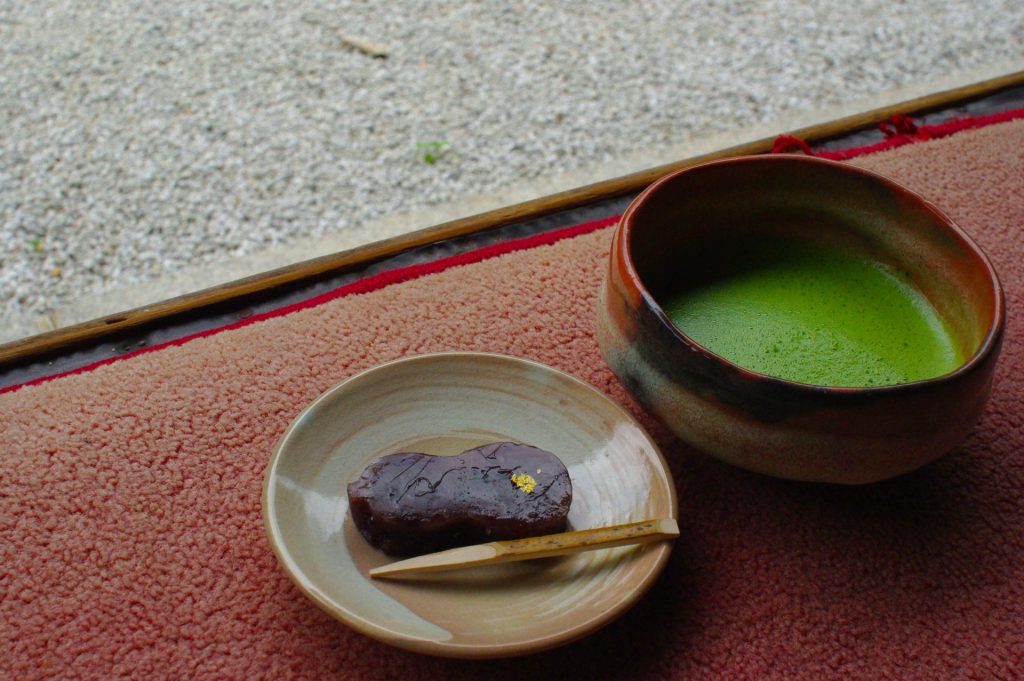
The “North Garden,” said to have been relocated from the front garden of the Kosho-goten (Cosmetic Palace) at Fushimi Castle, is a Nationally Designated Place of Scenic Beauty whose bold stonework preserves the style of the Momoyama period. The Guest Hall also houses the “Landscape Scroll Fusuma,” an Important Cultural Property painted by Hasegawa Tohaku, allowing visitors to appreciate the essence of Momoyama culture up close. While overlooking the North Garden, visitors can enjoy matcha tea and traditional Japanese sweets, primarily on weekdays except Thursdays (please confirm dates, as availability may vary). Zen temple experiences—such as copying sutras, drawing Buddhist images, and creating dry landscape gardens—are also available for a small fee and can be easily participated in with just the admission ticket.
Photo: Photo AC
Basic Information
| Item | Contents |
| address (e.g. of house) | 530 Shimogawara-cho, Higashiyama Ward, Kyoto City |
| Visiting Hours | 10:00 a.m.–5:00 p.m. (Last admission; gates close at 5:30 p.m.) |
| Admission Fee | Adults: 500 yen / Middle and high school students: 200 yen (includes admission to the Techo Art Museum) |
| Matcha | Approximately 500 yen extra (enjoyed while overlooking the garden) |
| Great Value Combo Ticket | Combined admission ticket for Kodaiji Temple, the Shō Art Museum, and Entoku-in Temple: 900 yen |
| Directions | Take the city bus and get off at "Higashiyama Yasui"; it's about a 4- to 5-minute walk from there. |
| Official Website | https://www.kodaiji.com/entoku-in/ |
Quick Tip: If you plan to visit Kodaiji Temple, located across the street, as part of your itinerary, the combined ticket offers great value. Since the dates and times for the matcha reception are subject to change, it’s best to check the official website or call in advance to be sure.
■Things to Know When Enjoying Matcha at a Temple in Kyoto
- Admission fees and matcha are often charged separately.
At many temples, the admission fee and the cost of matcha (including the tea ceremony and sweets) are billed separately. It’s best to check the total amount in advance to ensure a smooth visit. - Please Note Closed Days and Special Viewing Hours
Some temples, such as Chōraku-ji (closed on Thursdays) and Unryū-in (closed on Wednesdays, except in November), are closed to visitors on certain days of the week. Be sure to check before planning your itinerary. - Rules for Taking Photos
Although photography is permitted in the gardens, many temples have areas where photography is prohibited, such as the main hall and the paintings on the sliding doors. Please follow the signs and the instructions of the staff. - Attire and Manners
Since matcha is often served in a traditional tatami-mat study, we recommend wearing shoes that are easy to slip on and off. If sitting seiza-style is difficult for you, it’s a good idea to check in advance whether chair seating is available. - Crowds and Travel Time
It gets especially crowded during the peak season for autumn foliage and green maple leaves. If you want to leisurely savor some matcha, we recommend visiting right after the gates open or on weekday mornings.
■summary
Each of the five temples featured here boasts a rich historical background and offers the luxurious experience of enjoying both their gardens and matcha tea. The tranquility of Renge-ji and Chōraku-ji, the authentic Uji tea at Byōdō-in in Uji, the view from the study hall at Unryū-in, and the sense of Momoyama culture at Entoku-in—each offers its own unique charm.
Admission fees and matcha availability are subject to change, so be sure to check the official website for the latest information before your visit, and enjoy a truly Kyoto-style moment of relaxation.


Related PostRelated Articles

Ito Kyuemon’s Matcha Parfait Ice Pop Is a Social Media Hit! What Kind of Japanese-Style Ice Cream Is It?
Have any of you ever tried the popular “Ito Kyuemon Parfait” at a café in Uji, Kyoto? That popular […]
The signature dish at Muge Sanbo in Kyoto—the ”Ultra-Rich Matcha Parfait”—is absolutely delicious! If you want to experience the true essence of Kyoto, this is the place to go!
Have you heard of a shop called “Muge Sanbo,” whose signature dish is a parfait made with matcha that’s quintessentially Kyoto […]
Detective Conan: A Pilgrimage to the Kyoto Locations Featured in "The Crimson Love Song" and "The Crossroads of the Labyrinth"! List [Summary]
The Detective Conan movies set in Kyoto are *A Crimson Love Letter* and *Crossroads in the Labyrinth* […]
"Rurouni Kenshin" Kyoto Pilgrimage to Famous Locations! List [Summary]
Have you heard of *Rurouni Kenshin*? Not only is there an anime series, but it’s also been adapted into a live-action movie starring Takeru Satoh, so you should definitely check it out […]
"K-ON!" Kyoto Pilgrimage to the Series' Locations! List [Summary]
Have you heard of the anime “K-ON!”? “K-ON!” is a four-panel manga series by manga artist Kaki Furai […]