KYOTREAT > pilgrimage > [2026 Edition] 28 Must-Visit Anime Pilgrimage Spots in Kyoto | A Comprehensive Guide to Locations by Series and How to Get There
[2026 Edition] 28 Must-Visit Anime Pilgrimage Spots in Kyoto | A Comprehensive Guide to Locations by Series and How to Get There
Kyoto is not only a tourist destination lined with World Heritage sites and historic temples and shrines, but it is also known as the setting for numerous anime and manga works. Cobblestone alleys, vermilion torii gates, and riverside walking paths—Kyoto’s scenery is vividly depicted in anime, attracting fans from around the world who enjoy “pilgrimages to sacred sites,” visiting the actual locations after watching the shows.
In this article, we’ll introduce 28 iconic anime and manga works featuring Kyoto, along with the real-life locations that served as their settings. We’ve also included the addresses and directions for each location, so please use this information to help plan your trip to Kyoto.
<Important Notes for Use > Admission fees, visiting hours, and transportation information for the temples, shrines, and facilities featured in this article are subject to change. Please check each facility’s official website for the latest information before visiting. Additionally, photography may be prohibited or restricted in certain areas of some temples and shrines, so please follow the on-site guidelines.
Table of Contents
1. Detective Conan / Detective Conan: The Scarlet Love Song (Theatrical Version)
2. Hibike! Euphonium
3. Keion!
4. Rurouni Kenshin
5. Ikkyu
6. Yuttenkai Kazoku (Family)
7. Nurarihyon no Son Sennen Makyo
8. Inari, Konkon, Koi Iroha.
9. Homes in Teramachi Sanjo, Kyoto
10. After School Dice Club
11. after all, my adolescent romantic comedy is wrong. Continued
12.hello world
13. Seven Nana
14. Tamako Market
15.Okoshiyasu, Chitose-chan
16. Blue Exorcist Kyoto Fujoou-hen
Yoru wa tanashi wo aruke yo otome
18. Kyorakuregion
19. Kubiki Recycle: Blue Savant and the Writer of Nonsense
20. Kyoto Disturbance Caricature
21. Jutsu Kaisen Gekijoban 0
22. Yuru Yuri
23. deai-mon
24. fleet korekushon
25. Lucky Star
26. Lion of March
27. Onikan no Reitetsu (Cold-heartedness of the Lantern)
28. Kyoto International Manga Museum (Bonus Edition): Summary and Etiquette for Visiting Manga Pilgrimage Sites
<Quick Reference Chart: List of Works and Sacred Sites>
First, here is a list of the works featured in this article and their most famous locations. If you'd like to visit each area, please use this as a guide.
Title
Major Sacred Sites
area
Detective Conan
Fruit Parlor Yaoiso
Shijo-Omiya
Sound! Euphonium
Mt. Daikichi Observatory
Uji era (1124.4.3-1126.1.22)
K-ON!
Nanzenji Suiroukaku
Okazaki · Nanzen-ji Temple
Rurouni Kenshin
Watarizukibashi Bridge (between Tokyo and Yokohama)
Arashiyama
Ikkyu-san
Shouonan Ikkyu-ji Temple
Kyotanabe City
The Ecstatic Family
Shimogamo Shrine
Demachiyanagi
Nurarihyon's Grandson: The Thousand-Year Demon Capital
Fushimi Inari-taisha shrine (in Kyoto)
Fushimi Inari
Holmes in Teramachi Sanjo, Kyoto
wright trading company
Teramachi Sanjo
After-School Dice Club
ancient inscription on a stone monument bearing a legendary name (e.g. inscribed on one's stone)
Gion and Shirakawa
My Youth Romantic Comedy Is Wrong, As I Expected: Continued
Tenka Ippin Sohonten
Ichijoji
HELLO WORLD
Kyoto Station Grand Staircase
Kyoto Station
The Seven Nanas
road of philosophy
Ginkaku-ji Temple to Nanzen-ji Temple
Tamako Market
Demachi Masugata Shopping District / Demachi Futaba
Demachiyanagi
Welcome, Chitose-chan!
Kitano Tenmangu Shrine
northern field
Blue Exorcist: The Kyoto Impure King Arc
Kyoto Tower
Kyoto Station
The Night Is Short, Walk On, Girl
forest on the verge of becoming a monastery
Shimogamo
Kyoto Region
Heian Shrine
Okazaki
Beheading Cycle
Kyoto Imperial Palace, Kenreimon Gate
Kyoto Gyoen
Kyoto Chaos
Main Kondo Kondo Hall, Kuramadera Temple
Kurama
Jujutsu Kaisen 0: The Movie
Hanamikoji Street
entertainment district in Kyoto
YuruYuri
Kiyomizu Temple
Higashiyama
Deaimon
Kyoto Station Karasuma Central Exit
Kyoto Station
Fleet Collection
Maizuru Red Brick Warehouse Complex
Maizuru City
Lucky☆Star
Jishu Shrine (within the grounds of Kiyomizu-dera Temple)
Higashiyama
March Comes in Like a Lion
Ginkakuji Temple (Higashiyama Jishoji Temple)
Ginkakuji Temple
Hozuki's Coolheadedness
Rokudo Jindoji Temple
Higashiyama
1.Detective Conan / Detective Conan: The Crimson Love Song (Theatrical Version)
In the nationally popular mystery anime *Detective Conan*, the TV series arc “The Crimson School Trip” is set in Kyoto, where Conan and his friends visit locations such as Kyoto Station, Gojo Ohashi Bridge, Yasaka Shrine, and Benkei Stone.
"Fruit Parlor Yaoiso," the long-established fruit parlor visited by Ran Mouri and her friends in the series, is said to have been visited in person by the author, Gosho Aoyama, and is known among fans as a "holy site." Its signature fruit sandwiches—featuring lightly sweetened cream and seasonal fruit—are very popular and make for a great break during your sightseeing.
In addition, the 2017 theatrical film *Detective Conan: The Crimson Love Song* is set entirely in Kyoto and depicts the romance between Heiji Hattori and Kazuha Toyama, with the *Hyakunin Isshu* as its theme. Since the film features numerous famous Kyoto landmarks, many fans go on pilgrimages to these locations after watching the movie.
○Animation sanctuary
Facility Name:Fruit Parlor Yaoiso Address: 496 Tachinakamachi, Shijo Omiya Higashi-iru, Shimogyo-ku, Kyoto-shi, Kyoto Directions: About a 1-minute walk from the Hankyu "Omiya Station"
2.Sound! Euphonium
The coming-of-age brass band anime “Sound! Euphonium” (which premiered in 2015 and consists of 13 episodes), set in Uji City, Kyoto Prefecture, is a Kyoto Animation production that has garnered a large fan base both in Japan and abroad. The series features numerous real-life Uji landmarks, including Keihan Railway’s “Uji Station,” the Uji City Cultural Center, Uji Bridge, and the school building that served as the model for Kyoto Prefectural Todō High School.
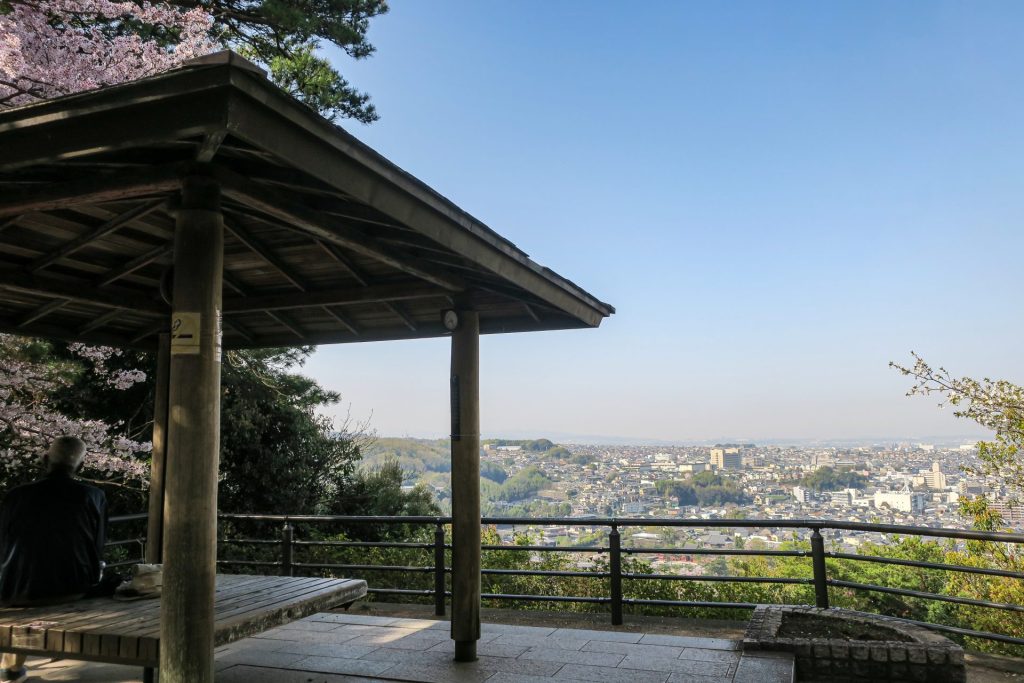
Among these, the “Daikichiyama Observation Deck”—which appears multiple times in the story—is particularly popular. From the observation deck, you can take in a panoramic view of the Uji cityscape and the Uji River, allowing you to experience firsthand the same scenery seen by the characters in the story.
○Animation sanctuary
Photo: Photo AC
Facility Name:Mt. Daikichi Observatory Address: 65-5 Uji-Higashinai, Uji City, Kyoto, Japan Directions: About a 20-minute walk from Keihan “Uji Station” (there is a hiking trail behind Uji-kami Shrine)
3. Keion!
In the popular anime "K-On!," which depicts the daily lives of high school girls, the school trip episode features many of Kyoto's classic sights, including Kyoto Station, the Golden Pavilion, Arashiyama, the Kamogawa River Delta, and Nanzen-ji Temple.
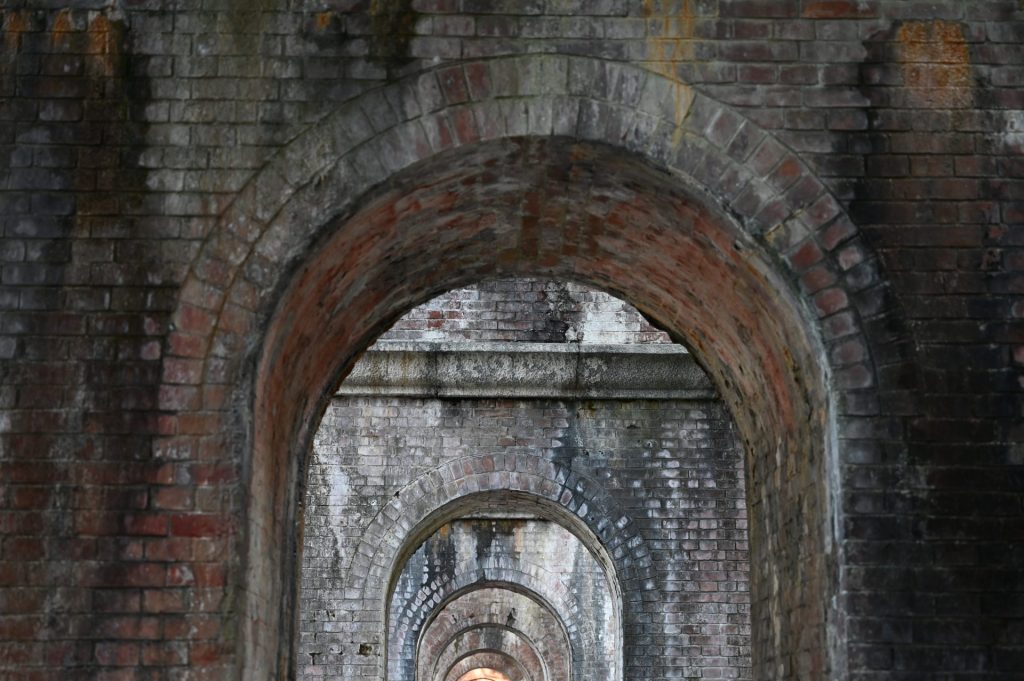
Particularly popular among fans is the Suirokaku, located within the grounds of Nanzen-ji Temple. Featured in the story as the “Suirōkaku,” this brick arch bridge—built during the Meiji era—is a popular photo spot, especially when paired with the fresh greenery of early summer or the autumn foliage.
○Animation sanctuary
Photo: Photo AC
Facility Name:Nanzen-ji Temple, Suirokaku Address: Nanzenji Fukuchi-cho, Sakyo-ku, Kyoto-shi, Kyoto Directions: About a 10-minute walk from "Keage Station" on the Tozai Subway Line
4. Rurouni Kenshin
"Rurouni Kenshin," which premiered in 1996, is a popular series set during the Bakumatsu period; the opening sequence of Season 2 features Arashiyama’s Togetsukyo Bridge and Kiyomizu-dera Temple. The series also depicts Yasaka Shrine, Nanzen-ji Temple, and Sagano, with Kyoto’s classic tourist spots scattered throughout the show.
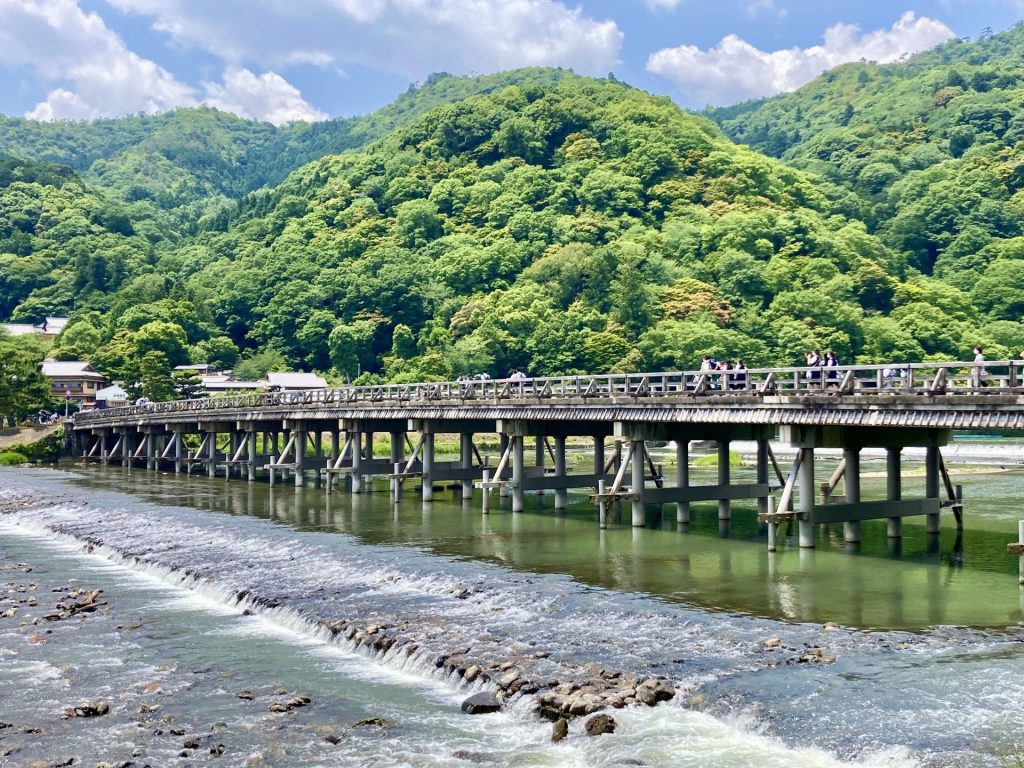
Togetsukyo Bridge, which spans the Katsura River (Oi River), is a symbol of Arashiyama. It is known as a famous spot for autumn foliage, and depending on the season, it is illuminated at night, allowing visitors to enjoy its different appearances by day and by night.
○Animation sanctuary
Photo: Photo AC
Facility Name:Watarizukibashi Bridge (between Tokyo and Yokohama) Address: Saga Nakanoshima-cho, Ukyo-ku, Kyoto-shi, Kyoto Directions: About a 5-minute walk from Randen “Arashiyama Station” or Hankyu “Arashiyama Station”
5. Ikkyu
"Ikkyū-san," which aired in 1975, is a historical anime based on the childhood of the real-life Zen monk Ikkyū Sōjun. Ikkyū Sōjun spent his final years at this temple, and since his remains are said to be enshrined there to this day, the temple grounds are cherished as a sacred site rooted in historical fact.
○Animation sanctuary
Photo: Photo AC
Facility Name:Shouonan Ikkyu-ji Temple Address: 102, Mokuzurinouchi, Kyotanabe City, Kyoto Prefecture, Japan Directions: About a 12-minute walk from Kyotanabe Station on the JR Gakken Toshi Line
6. Yuttenkai Kazoku (Family)
The anime series *The Eccentric Family* (which premiered in 2013), based on the novel by Tomihiko Morimi, is a story set in Kyoto that follows the lives of a family of shape-shifting raccoon dogs.
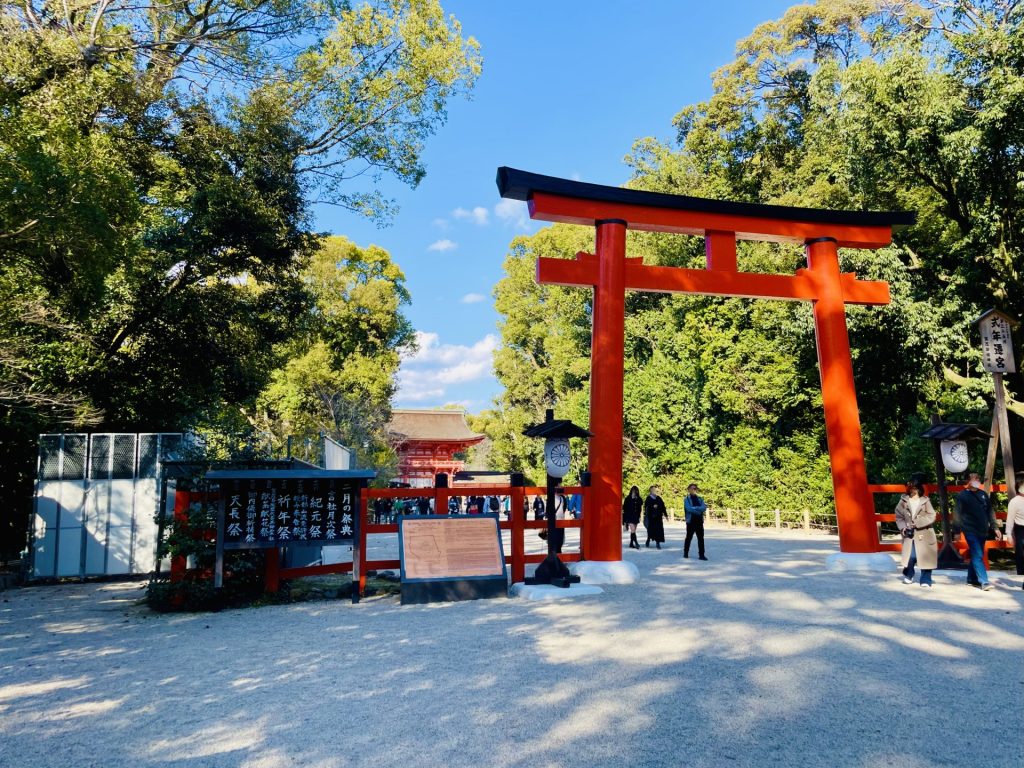
"Shimogamo Shrine" is depicted as the home of the protagonist's family, and the mysterious atmosphere of "Tadasu no Mori"—the primeval forest surrounding the shrine grounds—serves as the foundation for the story's otherworldly setting.
○Animation sanctuary
Photo: Photo AC
Facility Name:Shimogamo Shrine Address: 59 Shimogamo-Izumigawa-cho, Sakyo-ku, Kyoto-shi, Kyoto Directions: About a 12-minute walk from Demachiyanagi Station on the Keihan Line
7. Nurarihyon's grandson, Sennen Makyo
"Sennen Makyo" (aired in 2011), the sequel to the yokai battle anime "Nurarihyon no Mago," features real temples and shrines in Kyoto—such as "Fumeme Inari Shrine," "Hashira Rikyu," and "Seien-ji Temple"—which have been reimagined under fictional names.
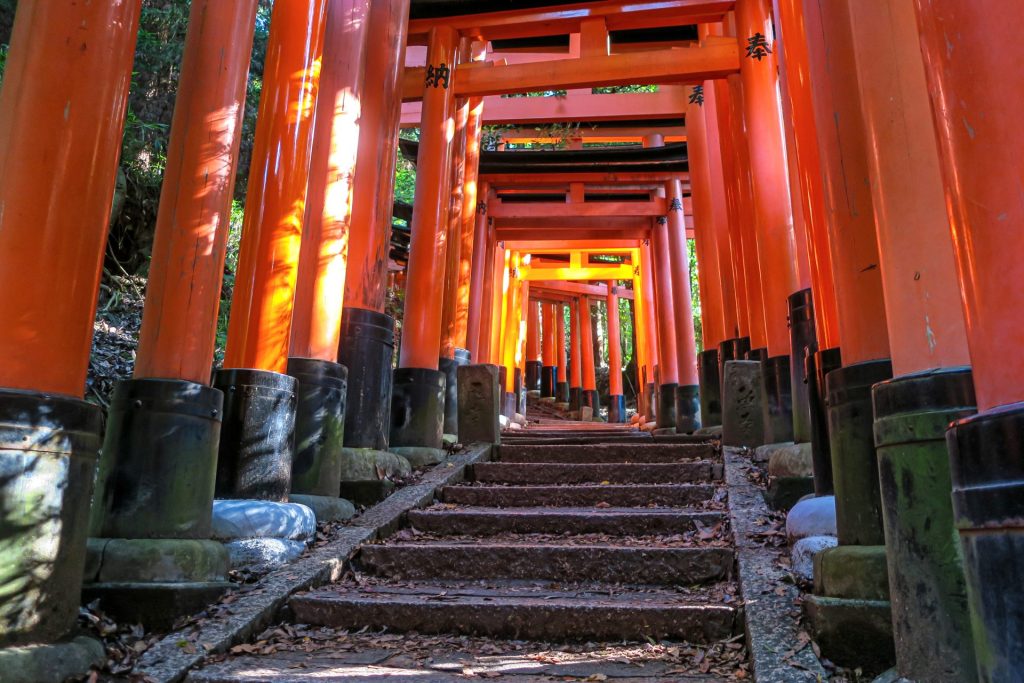
Fushimi Inari Taisha, the setting for Episode 13, “The Kyoto Yokai Arc,” is a popular pilgrimage destination for fans, as its Thousand Torii Gates and Main Hall closely match the depictions in the series.
○Animation sanctuary
Photo: Photo AC
Facility Name:Fushimi Inari-taisha shrine (in Kyoto) Address: 68 Yabunouchi-cho, Fukakusa, Fushimi-ku, Kyoto-shi, Kyoto Directions: About a 5-minute walk from "Inari Station" on the JR Nara Line or "Fushimi Inari Station" on the Keihan Main Line
8. Inari, Konkon, Koi Iroha.
Another popular series featuring a shrine modeled after Fushimi Inari Taisha is *Inari, Konkon, Koi Iroha.* The “Inari Shrine” in the story is modeled after Fushimi Inari Taisha, and many real-life place names—such as Tanbabashi, Fushimi, and Marutamachi—appear throughout the story. If you take a walk around Fushimi Inari Taisha, you’ll likely encounter scenery that mirrors the scenes in the story.
9. Homes in Teramachi Sanjo, Kyoto
The mystery anime "Holmes of Kyoto's Teramachi Sanjo" (aired in 2018), which features Kiyotaka Ietō—a young man who runs an antique shop—as its protagonist, captivates viewers with its mystery-solving plots and romantic storylines set against the backdrop of Kyoto's cityscape.
The café “Wright Shokai,” tucked away in an alley off Teramachi-dori, is said to have served as the model for the antique shop “Kura” featured in the story. The interior is lined with antique goods, allowing visitors to immerse themselves in the world of the story while enjoying coffee and light meals.
○Animation sanctuary
Store Name:wright trading company Address: 405 Sakurano-cho, Nakagyo Ward, Kyoto City, Kyoto Prefecture Directions: About a 5-minute walk from “Kyoto Shiyakusho-mae Station” on the Kyoto Municipal Subway Tozai Line
10. After School Dice Club
The manga *After-School Dice Club* by Yudai Nakamichi is a story about high school girls in Kyoto who forge friendships through board games.
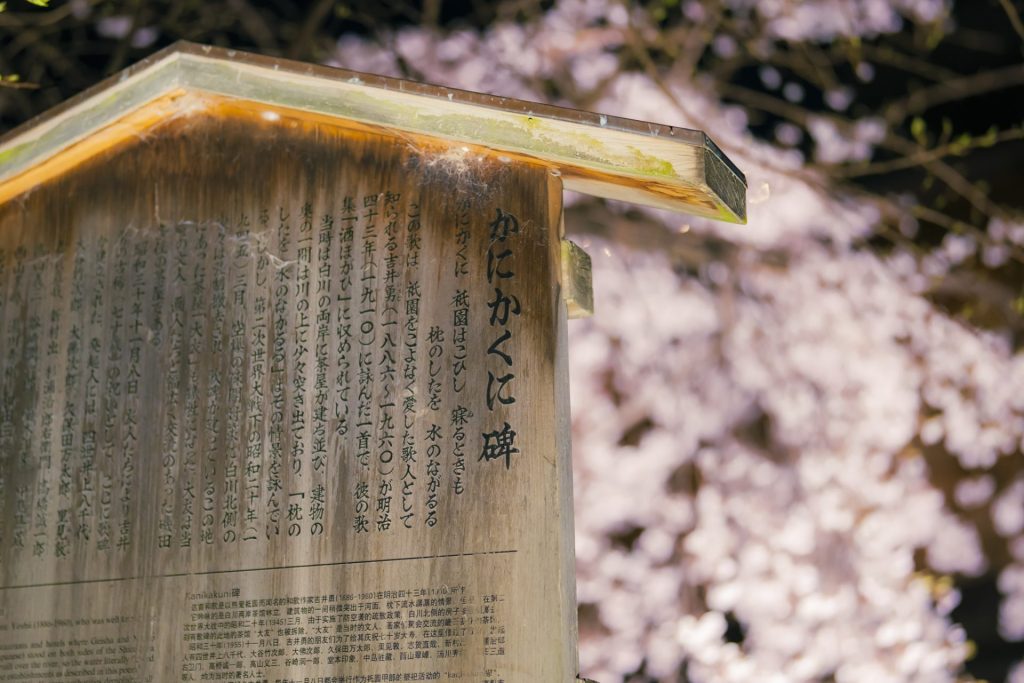
The story features numerous real-life locations with a distinct local flavor, such as Demachiyanagi Station, Hanamikoji, Shimogamo Shrine, and the Cafe Marble Bukkoji branch. The “Kanikaku-ni Monument,” which served as the setting for Episode 6, is a stone monument inscribed with a poem by the poet Isamu Yoshii—who loved Gion—and stands quietly along a charming alley by the Shirakawa River.
○Animation sanctuary
Photo: KYOTREAT Editorial Department
Facility Name:ancient inscription on a stone monument bearing a legendary name (e.g. inscribed on one's stone) Address: Motoyoshi-cho, Higashiyama Ward, Kyoto City, Kyoto Prefecture (along Shirakawa Minami-dori) Directions: About a 5-minute walk from Keihan's "Gion-Shijo Station"
11. after all, my adolescent romantic comedy is wrong. Continued
In the second season of the popular romantic comedy anime *My Teen Romantic Comedy SNAFU*, the school trip episode takes the characters to Arashiyama, Kiyomizu-dera Temple, Toei Uzumasa Movie Village, Fushimi Inari Taisha, and other locations.
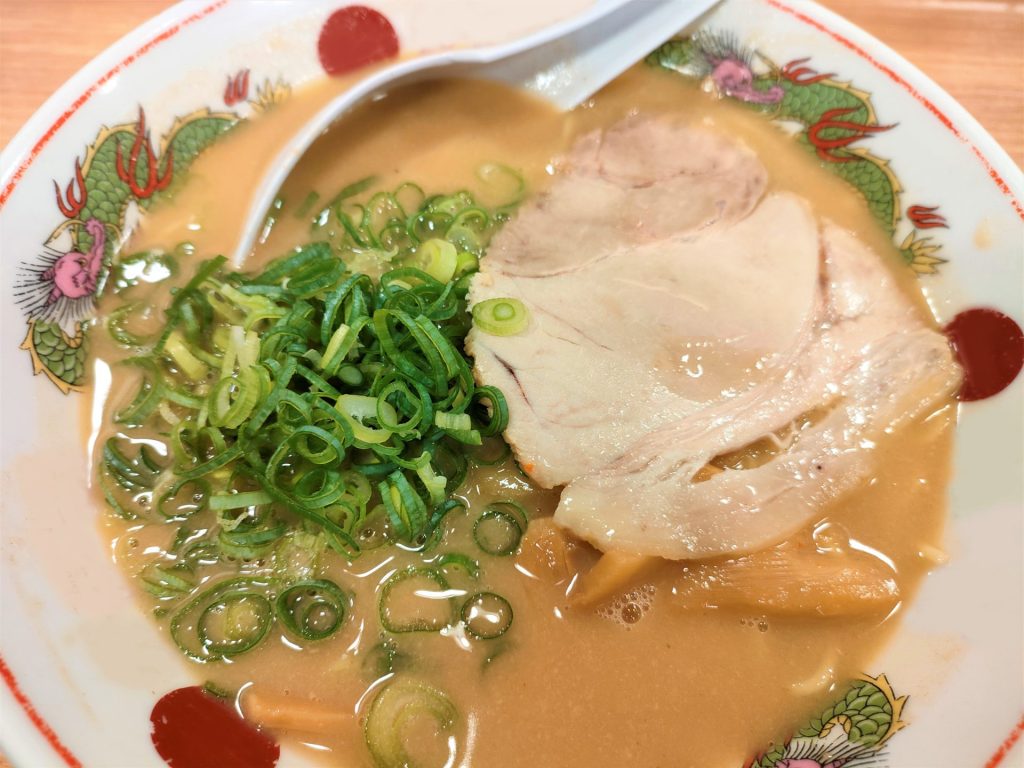
To wrap up the trip, we’ll visit “Tenka Ippin Main Store,” a local ramen shop known for its rich, hearty soup. As the original store of a nationwide chain, it’s a popular spot where many fans come not only to make a pilgrimage to this “holy site” but also to actually try the food.
○Animation sanctuary
Photo: Photo AC
Store Name:Tenka Ippin Sohonten Address: 94 Ichijōji Tsukida-chō, Sakyō-ku, Kyoto City, Kyoto Prefecture Directions: About a 10-minute walk from Ichijōji Station on the Eizan Electric Railway Eizan Main Line
12.hello world
The 2019 sci-fi animated film “HELLO WORLD” is set in Kyoto in the near future and tells the story of a high school student who meets his future self, who has traveled from 10 years in the future. The story features numerous locations based on real-life buildings, such as a building modeled after the former main building of the Kyoto Prefectural Government and a school modeled after Horikawa High School.
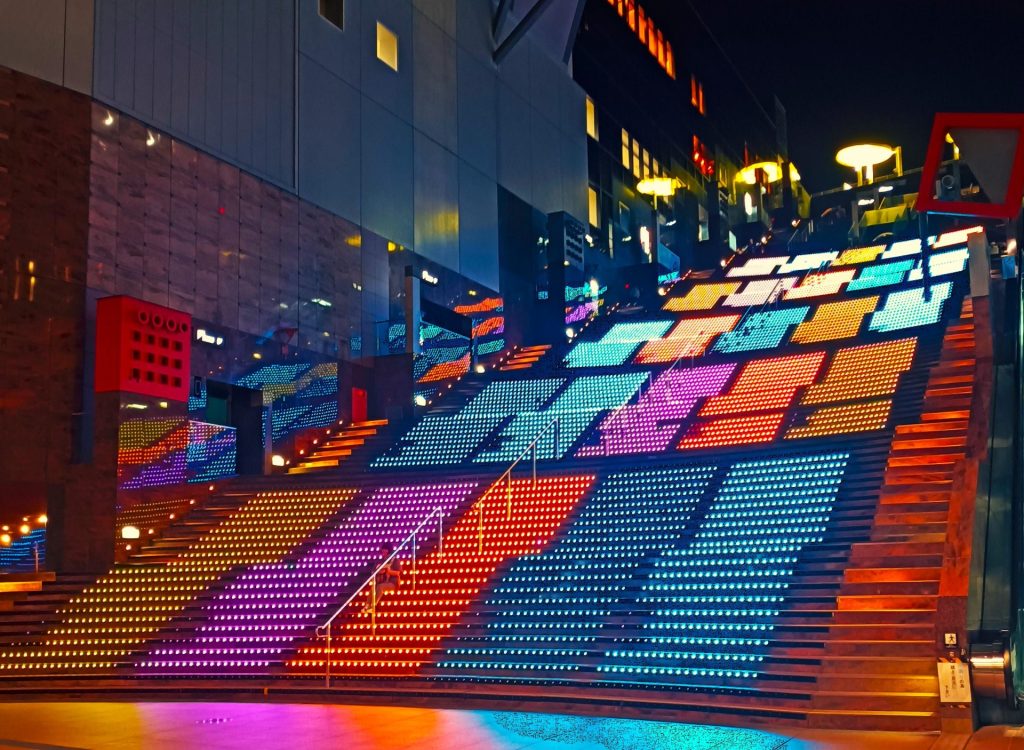
The "Kyoto Station Grand Staircase," which served as the setting for the climactic scene, is a popular spot known for its seasonal light displays and is also recognized for appearing in *Sound! Euphonium*, which is similarly set in Kyoto.
○Animation sanctuary
Photo: Photo AC
Facility Name:Kyoto Station Grand Staircase Address: 901 Higashishiokoji-cho, Shimogyo-ku, Kyoto City, Kyoto Prefecture (inside the JR Kyoto Station Building) Access: A short walk from JR "Kyoto Station
13. Seven Nana
The romantic comedy "Seven Nanas," created by Kannon Yoshizaki—known for his original character designs for "Sergeant Keroro"—is set in "Koto Town," a fictional town modeled after Kyoto.
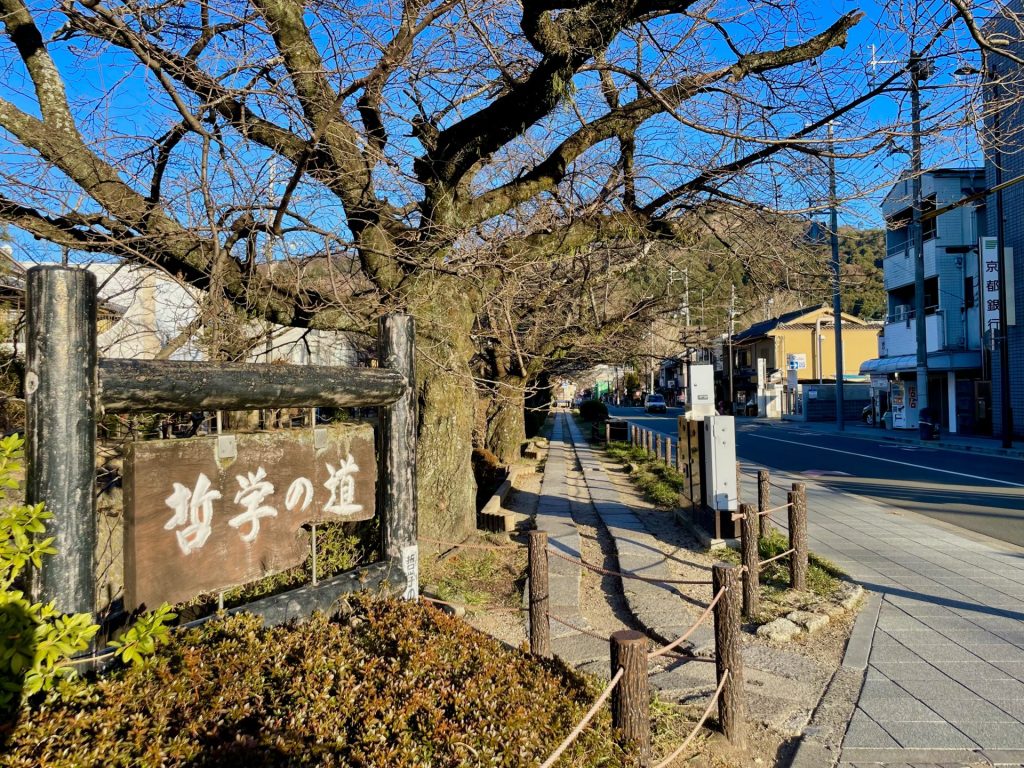
The "Path of Philosophy," which the protagonist walks along on his way to school, is a roughly 2-kilometer walking trail that stretches from Ginkaku-ji Temple toward Nanzen-ji Temple; it is a scenic spot famous for its rows of cherry trees.
○Animation sanctuary
Photo: Photo AC
Facility Name:road of philosophy Address: Jodoji Ishibashi-cho to Wakaouji-cho, Sakyo Ward, Kyoto City, Kyoto Prefecture Directions: Take the city bus and get off at "Ginkakuji-mae" or "Nanzen-ji/Eikando-dori"; it's just a short walk from there.
14. Tamako Market
"Tamako Market" (aired in 2013), produced by Kyoto Animation, garnered attention as a series created by the same core staff behind "K-ON!"
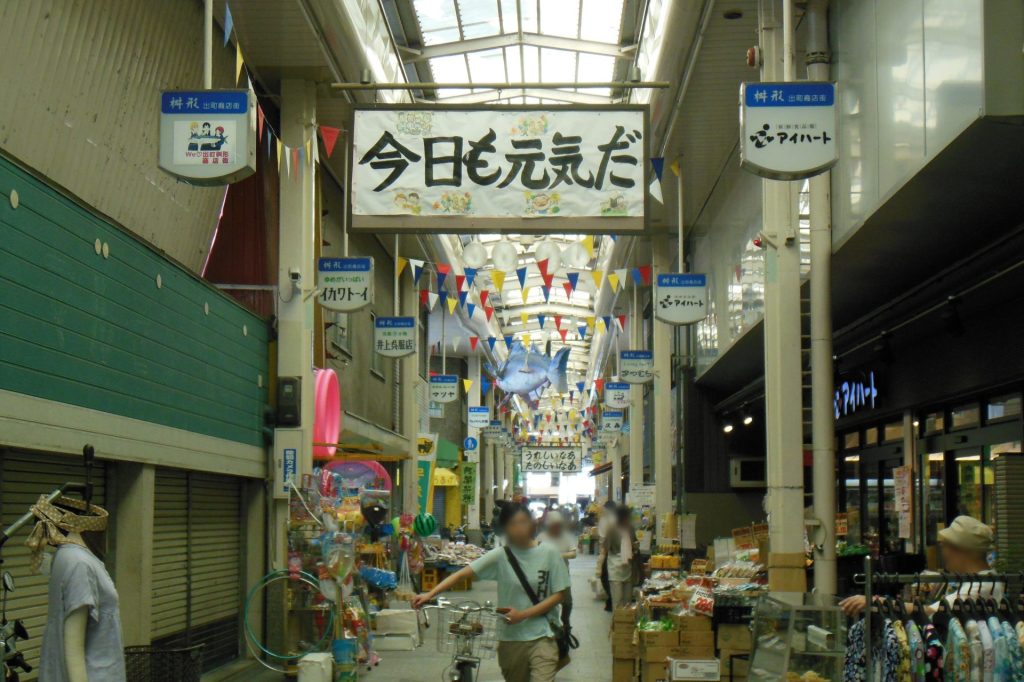
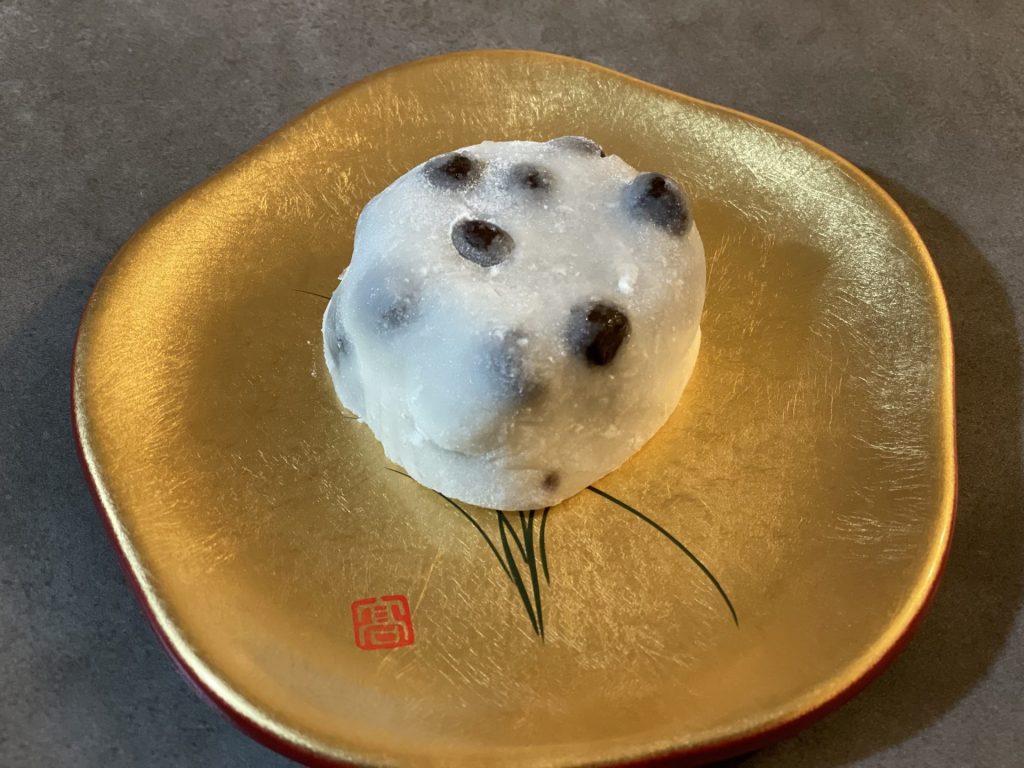
The “Usagiyama Shopping District” in the play is modeled after the real-life “Demachi Masugata Shopping District” in Kyoto. The fish shop “Sashimi” in the story is said to be modeled after the actual shop “Sagaki” in the shopping district, while the mochi shop “Tamaya”—the protagonist’s family business—is said to be modeled after “Demachi Futaba,” a long-established Japanese confectionery shop founded in Meiji 32. Its famous “Meidai Mame Mochi” is a popular item that’s sure to draw long lines.
○Animation sanctuary
Photo: Photo AC
Facility Name:Demachi Masugata Shopping Street Address: Near 229 Seiryū-chō, Kamigyō-ku, Kyoto City, Kyoto Prefecture Directions: About a 5-minute walk from Demachiyanagi Station on the Keihan Line
Photo: Photo AC
Store Name:Demachi Futaba Address: 236 Seiryū-chō, Kamigyō-ku, Kyoto City, Kyoto Prefecture (De-machi-dōri, Imadegawa-agaru) Directions: About a 7-minute walk from the Keihan “Demachiyanagi Station”
15.Okoshiyasu, Chitose-chan
The five-minute animated short "Welcome, Chitose-chan" (aired in 2018), which features a penguin as the main character, is a comedy that depicts everyday scenes in Kyoto.
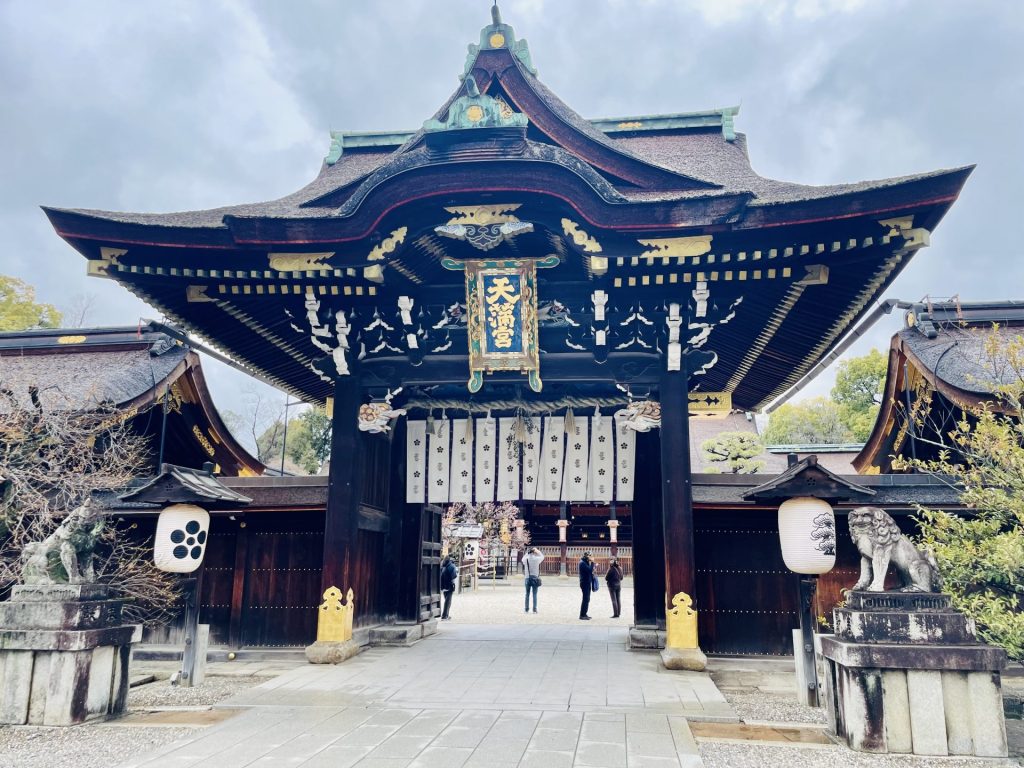
"Kitano Tenmangu," which appears in Episode 15, is a shrine dedicated to Sugawara no Michizane, the god of learning. According to legend, if you stroke the "Stroking Cow" statue on the shrine grounds, your ailments will be cured.
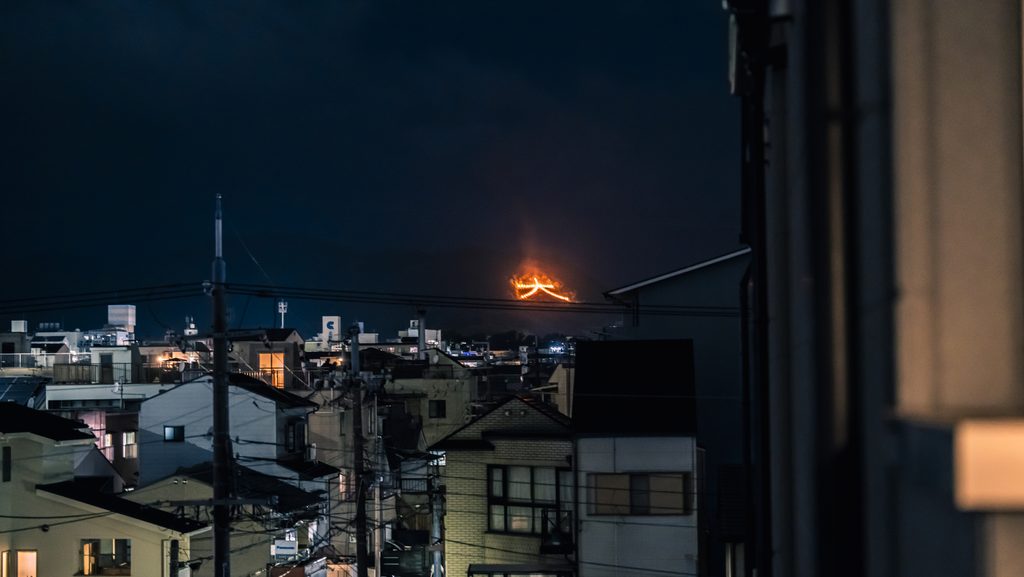
In addition, the pickles featured in Episode 19 are based on “Shibaku,” a long-established shop in Ohara, and Episode 21 depicts the “Gozan no Okuribi,” a summer tradition in Kyoto.
○Animation sanctuary
Photo: Photo AC
Facility Name:Kitano Tenmangu Shrine Address: Bakuro-cho, Kamigyo-ku, Kyoto-shi, Kyoto Directions: About a 5-minute walk from the “Kitano-Shiraume-cho” station on the Randen Line
Store Name:Shiba kyu (var. of mochi made from a mixture of rice flour and sweet bean paste) Address: 58, Ohara Shorinin-cho, Sakyo-ku, Kyoto-shi, Kyoto Directions: Get off at the "Ohara" stop on the Kyoto Bus, then walk about 10 minutes.
Photo: KYOTREAT Editorial Department
Event Name:Bon Festival fire on the fifth day of the fifth lunar month (one of the five annual festivals) Address: Jodoji Nanamari-cho and other locations
16. Blue Exorcist Kyoto Fujoou-hen
The second season of the anime series *Blue Exorcist*, based on the popular manga series of the same name—which has sold over 15 million copies—is titled “The Kyoto Impure King Arc” and depicts the battles of exorcists as they fight demons in Kyoto.
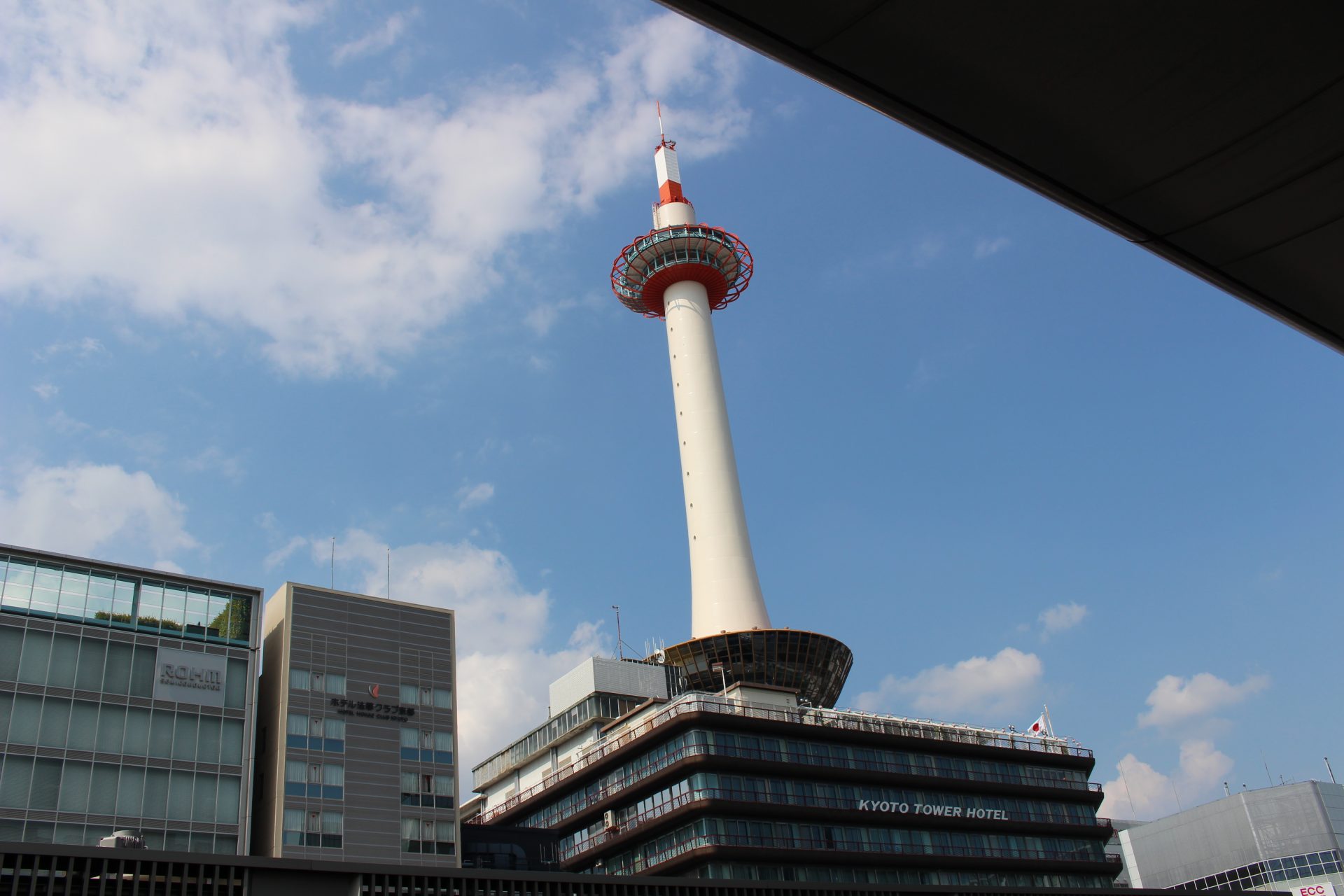
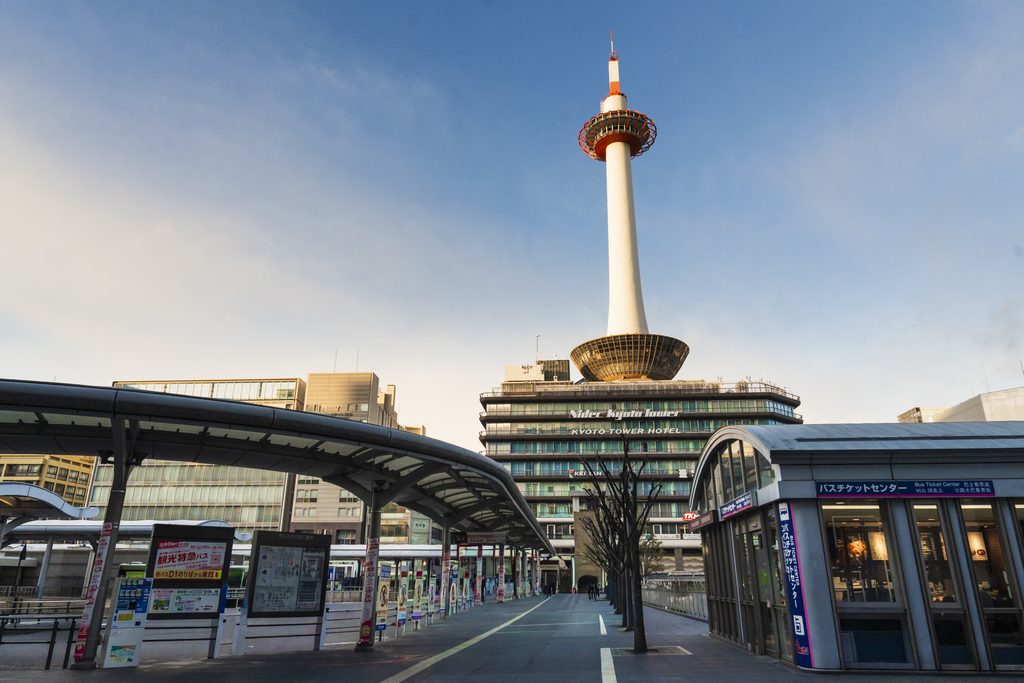
The "Kyoto Tower," which appears in a scene where the protagonist is captivated, has long been cherished by fans as a sacred site—particularly since it was illuminated in blue to coincide with an event during its 2016 broadcast.
○Animation sanctuary
Photo: KYOTREAT Editorial Department
Facility Name:Kyoto Tower Address: 721-1 Higashishioji-cho, Shichijo-sagaru, Karasuma-dori, Shimogyo-ku, Kyoto-shi, Kyoto Directions: About a 2-minute walk from the Central Exit of JR Kyoto Station
Yoru wa tanashi wo aruke yo otome
The animated film *The Night Is Short, Walk On, Girl*—based on Tomihiko Morimi’s masterpiece (a film that also garnered attention for casting Gen Hoshino as a voice actor)—is a love story set in a unique world featuring a college student in Kyoto as the protagonist.
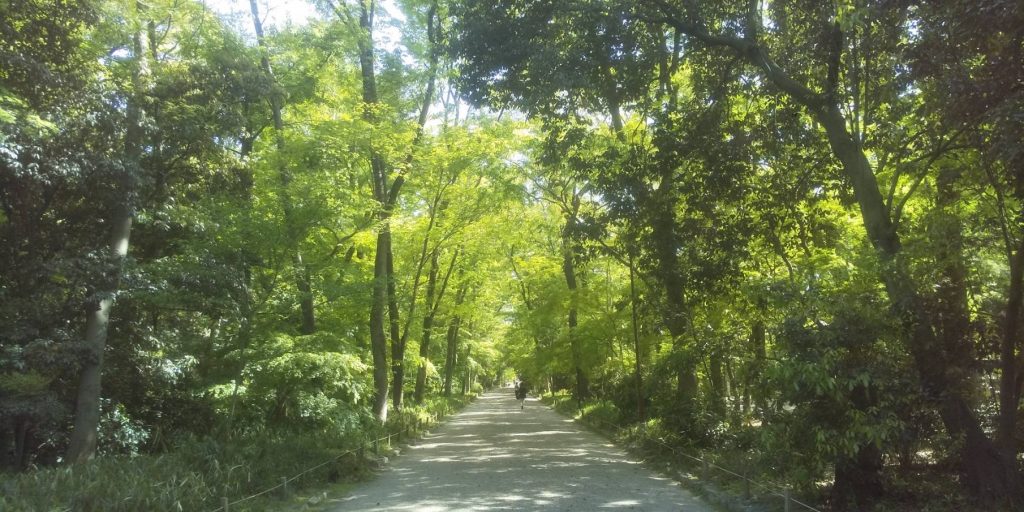
"Tadasu no Mori," which appears in the story as the venue for the used book fair, is a primeval forest that stretches across the grounds of Shimogamo Shrine; it features an enchanting walking path surrounded by trees over 200 years old.
○Animation sanctuary
Photo KYOTREAT Editorial Department
Facility Name:forest on the verge of becoming a monastery Address: 59 Shimogamo Izumikawa-cho, Sakyo Ward, Kyoto City, Kyoto Prefecture (within the grounds of Shimogamo Shrine) Directions: About a 10-minute walk from Demachiyanagi Station on the Keihan Line
18. Kyorakuregion
"Kyōraku Region," a battle comedy manga set in Kyoto, tells the story of a high school student and a girl known as an "Ikusame"—a warrior with the power to defeat monsters.
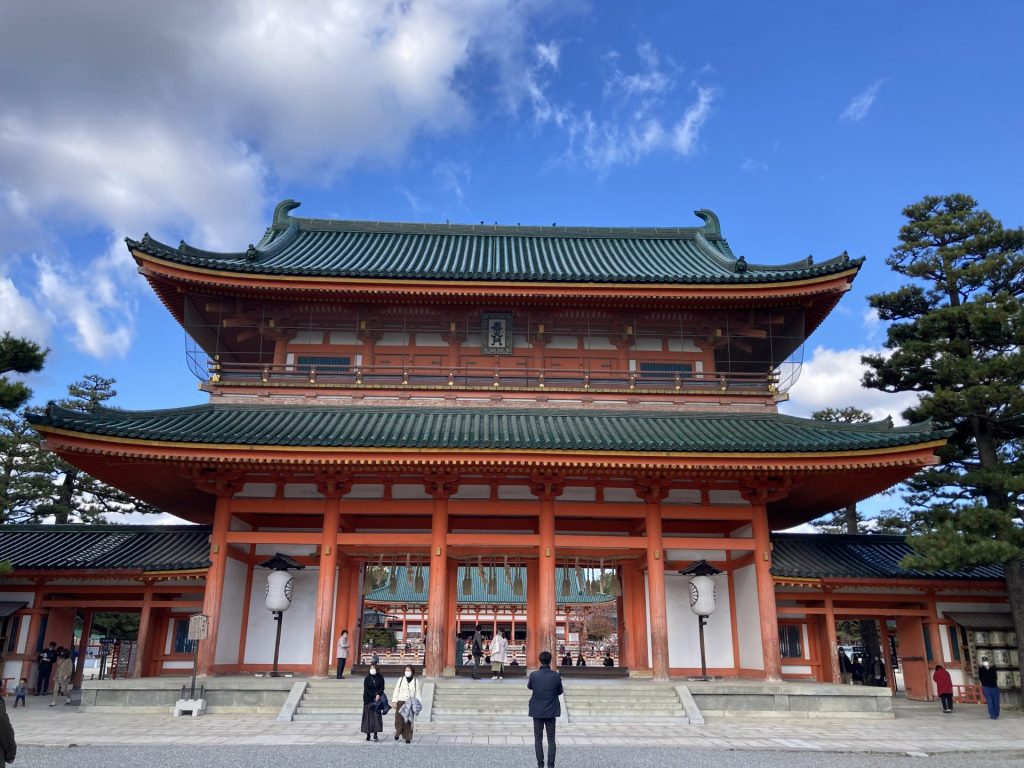
"Heian Jingu," which appears in Episodes 1 and 6, is a Shinto shrine founded in 1895 (Meiji 28) to commemorate the 1,100th anniversary of the capital's relocation to Heian-kyo. Its highlights include the vermilion-lacquered Ōtenmon Gate and the vast shrine grounds.
○Animation sanctuary
Photo: Photo AC
Facility Name:Heian Shrine Address: 97 Okazaki Nishitenno-cho, Sakyo-ku, Kyoto-shi, Kyoto Directions: About a 10-minute walk from "Higashiyama Station" on the Tozai Subway Line
19. Kubiki Recycle: Blue Savant and the Writer of Nonsense
"Kubikiri Cycle: The Blue Savant and the Idle Talker," an anime adaptation of Nisio Isin's popular novel series, is a locked-room mystery set on a remote island.
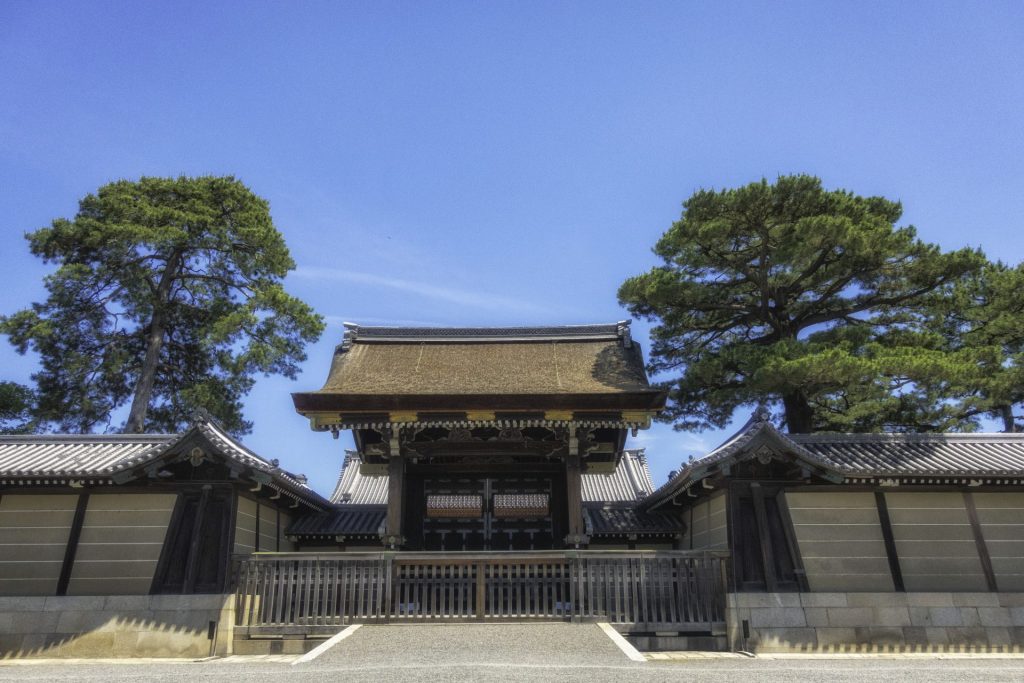
Although Kyoto is not the direct setting of the story, the “Kenreimon” featured in the work is the main gate of the Kyoto Imperial Palace—a gate of great prestige—and is located within the Kyoto Imperial Park, which is known as a famous spot for cherry blossoms and autumn foliage.
○Animation sanctuary
Photo: Photo AC
Facility Name:Kenreimon Gate (Kyoto Imperial Palace) Address: Kyoto Gyoen, Kamigyo-ku, Kyoto-shi, Kyoto Directions: About a 5-minute walk from Imadegawa Station on the Kyoto Municipal Subway Karasuma Line
20. Kyoto Disturbance Caricature
"Kyosou Giga," produced by Toei Animation, is a fantasy series set in "Kagami-to," a fantasy world very similar to Kyoto.
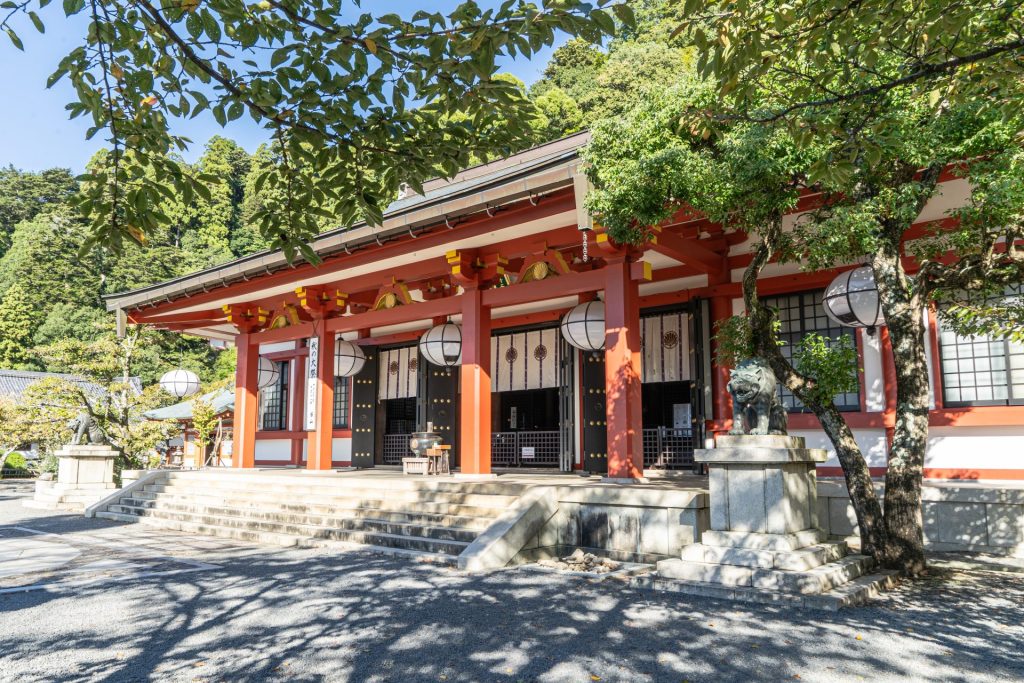
In addition to locations reminiscent of Fushimi Inari Taisha, the story also features the “Main Hall (Kondo) of Kurama Temple.” Kurama Temple is a sacred mountain site known for legends of Ushiwakamaru (Minamoto no Yoshitsune) and tengu; to reach the Main Hall (Kondo), visitors must climb a long stone staircase and a nature trail.
Facility Name:Main Kondo Kondo Hall, Kuramadera Temple Address: 1074 Kurama Honmachi, Sakyo-ku, Kyoto-shi, Kyoto Directions: About a 30-minute walk from Kurama Station on the Eizan Electric Railway Kurama Line (the walk can be shortened by taking the cable car)
21. Jutsu Kaisen Gekijoban 0
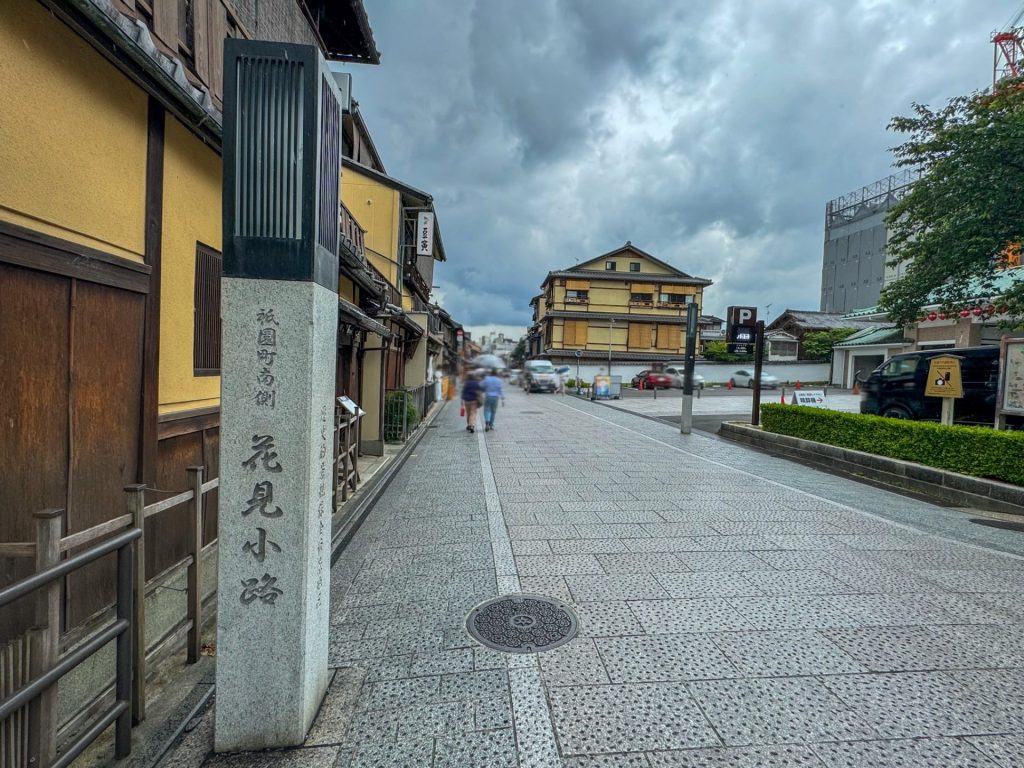
In the movie adaptation of the hit anime "Jujutsu Kaisen," titled "0" (released in 2021), the streets of Gion are depicted as the setting for the Kyoto Branch members' battle scenes.
Hanamikoji-dori, lined with cobblestones and tea houses, is Gion’s main street, connecting Shijo-dori to Kennin-ji Temple. At dusk, the lanterns are lit, creating an even more charming atmosphere.
○Animation sanctuary
Photo: Photo AC
Facility Name:Hanamikoji Street Address: South side of Gion-cho, Higashiyama-ku, Kyoto-shi, Kyoto Directions: About a 3- to 5-minute walk from Keihan's "Gion-Shijo Station"
22. Yuru Yuri
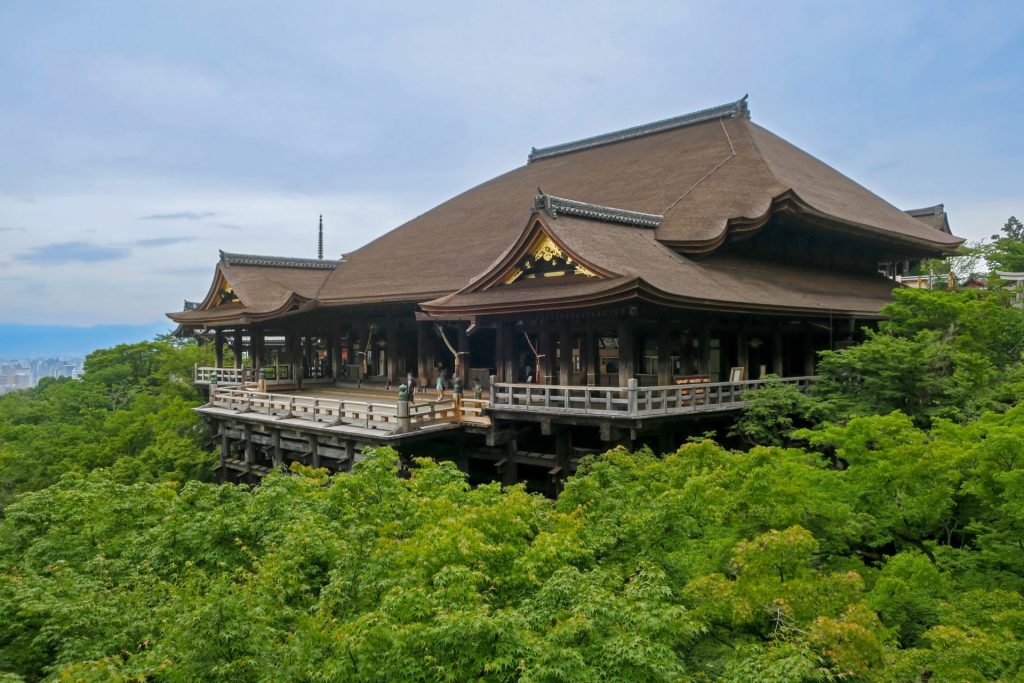
The slice-of-life anime "YuruYuri" is primarily set in Toyama Prefecture, but the characters visit Kyoto in an episode featuring a school trip.
The manga features Kiyomizu-dera’s Niōmon Gate and Three-Story Pagoda, as well as the “Womb Tour” (Zuikyū-dō), which is covered in detail in this article’s companion piece; as a result, it is known among Kiyomizu-dera fans as a sacred site.
Facility Name:Kiyomizu Temple Address: 1-294 Kiyomizu, Higashiyama-ku, Kyoto-shi, Kyoto Directions: About a 25-minute walk from Keihan “Kiyomizu-Gojo Station,” or about a 10-minute walk from the “Gojozaka” or “Kiyomizu-michi” city bus stops
23. deai-mon
"Deaimon" (aired in 2022), a heartwarming anime set in a traditional Japanese confectionery shop in Kyoto, is a story about how traditional Japanese sweets bring people together.
The "Kyoto Station Karasuma Central Exit," which appears in the opening scene of Episode 1, is the north entrance to Kyoto Station, offering a view of Kyoto Tower and the local bus stops; the station's atmosphere is faithfully recreated in the show.
○Animation sanctuary
Facility Name:Kyoto Station Karasuma Central Exit Address: Higashishiokoji Kamadono-cho, Shimogyo-ku, Kyoto-shi, Kyoto Access: A short walk from JR "Kyoto Station
24. fleet korekushon
The hugely popular browser and smartphone game "Kantai Collection (KanColle)" is a game in which players train "Kanmusu"—characters that are anthropomorphized versions of Imperial Japanese Navy ships.
Although the game itself does not feature any specific scenes set in Kyoto, the names of the naval base servers to which players belong—such as “Maizuru”—are derived from locations where former Imperial Japanese Navy bases were located; as a result, Maizuru City in Kyoto Prefecture is regarded as a “holy site” among fans. In Maizuru City, a cluster of brick warehouses from the Meiji and Taisho periods still stands today, creating a historic streetscape that evokes the atmosphere of that era.
○Animation sanctuary
Facility Name:Maizuru Red Brick Warehouse Complex Address: 1039-2 Kita-Sui, Maizuru City, Kyoto Prefecture Directions: About a 20-minute walk from JR "Higashi-Maizuru Station," or about a 10-minute ride by local bus
25. Lucky Star
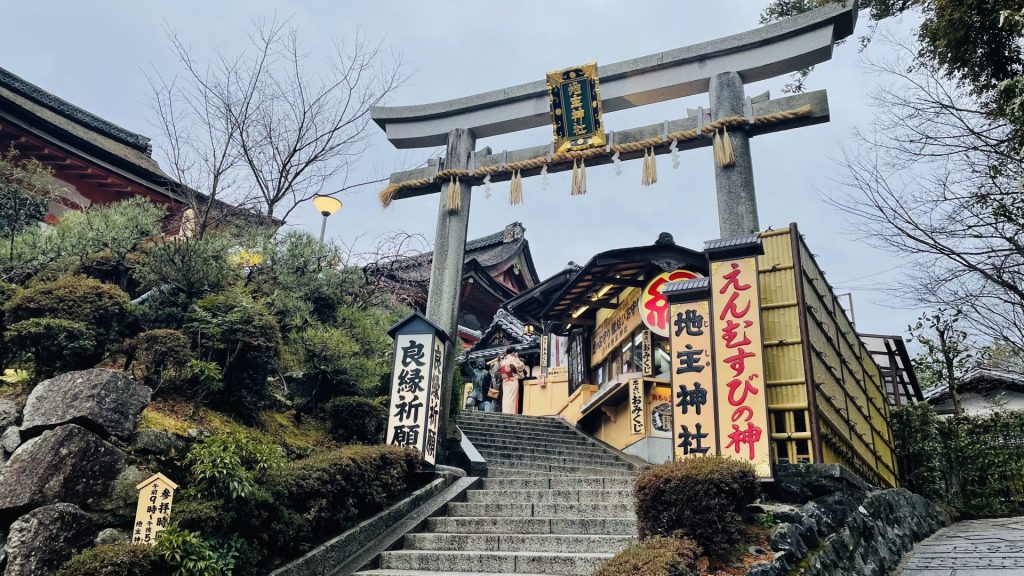
"Lucky☆Star," which premiered in 2007, is primarily set in Saitama Prefecture, but Kiyomizu-dera Temple appears in the school trip episode.
The "Jishu Shrine" located on the shrine grounds is known as a shrine for matchmaking, and it was a popular spot where many fans would pray for success in love while visiting the sacred site.
○Animation sanctuary
Photo: Photo AC
Facility Name:Jishu Shrine (within the grounds of Kiyomizu-dera Temple) Address: 317 Kiyomizu 1-chome, Higashiyama Ward, Kyoto City, Kyoto Prefecture Directions: About a 30-minute walk from Keihan “Kiyomizu-Gojo Station”
26. Lion of March
In the anime adaptation of Chika Umino’s manga *March Comes in Like a Lion* (aired in 2017), which is based on the game of shogi, Kyoto appears in an episode featuring the school trip of the three Kawamoto sisters, who become close friends with the protagonist.
In addition to the Shijo Ohashi Bridge and the Kamo River, the "Ginkaku-ji Temple (Higashiyama Jisho-ji)," which is depicted as being near Master Soya’s family home, is also one of the sacred sites.
Also, Kinkakuji and Ginkakuji temples are ironclads for school excursions, aren't they? For more information about such Jishoji Temple (Ginkakuji Temple), please visit,here (place close to the speaker or where the speaker is)Please read this article before your pilgrimage.
○Animation sanctuary
Facility Name:Ginkakuji Temple (Higashiyama Jishoji Temple) Address: 2 Ginkakuji-cho, Sakyo, Kyoto City, Kyoto Access: Kyoto City Bus No. 100 from JR Kyoto Station to "Ginkakuji-mae" bus stop.
27. Onikan no Reitetsu (Cold-heartedness of the Lantern)
"Hozuki's Coolheadedness," a comical depiction of daily life in hell, is set primarily in the afterlife, but it also features real-life locations in Kyoto.
Among them, “Rokudō Chinōji” is particularly popular with fans. It is known as a temple dedicated to Ono no Takamura, a Heian-period government official who appears in the story, and within its grounds stands a well associated with the legend that Takamura used it to travel to the underworld.
○Animation sanctuary
Photo: Photo AC
Facility Name:Rokudo Jindoji Temple Address: 595, Komatsucho 4-chome, Shijo-sagaru, Yamato-oji-dori, Higashiyama-ku, Kyoto-shi, Kyoto Directions: About a 12- to 15-minute walk from Keihan “Kiyomizu-Gojo Station,” or about a 5-minute walk from the “Kiyomizu-michi” city bus stop
28.Kyoto International Manga Museum (Special Edition)
Last but not least, I’d like to introduce the “Kyoto International Manga Museum”—a place that, while not the setting of any specific work, is a must-visit for any anime and manga fan.
Housed in the building of a former elementary school, the museum holds a collection of approximately 300,000 items—primarily Japanese manga, as well as translated editions from overseas—which visitors are free to pick up and read from the bookshelves that line the walls. We recommend taking some time to trace the roots of these works while you’re out visiting the manga pilgrimage sites.
○ Facility Information
Facility Name:Kyoto International Manga Museum Address: Kamigaru, Oike, Karasuma-dori, Nakagyo Ward, Kyoto City, Kyoto Prefecture Directions: About a 1-minute walk from "Karasuma-Oike Station" on the Karasuma and Tozai subway lines
Summary: Etiquette for Visiting Sacred Sites
Kyoto is home to numerous anime and manga works that use its temples, shrines, and cityscapes as their settings, and visiting these places in person allows you to experience the world of these works more deeply. At the same time, many of these sacred sites are also places where people actually live and visit to worship. Please make an effort to observe proper etiquette during your pilgrimage by following instructions in areas where photography is prohibited, refraining from entering private property or areas other than the designated approach paths, and being considerate so as not to disturb those who are quietly worshiping.
If you visit after watching the film, you’re sure to discover aspects of Kyoto’s charm that you might not have noticed just from the movie. Be sure to visit the locations featured in your favorite films and create travel memories unique to Kyoto.