

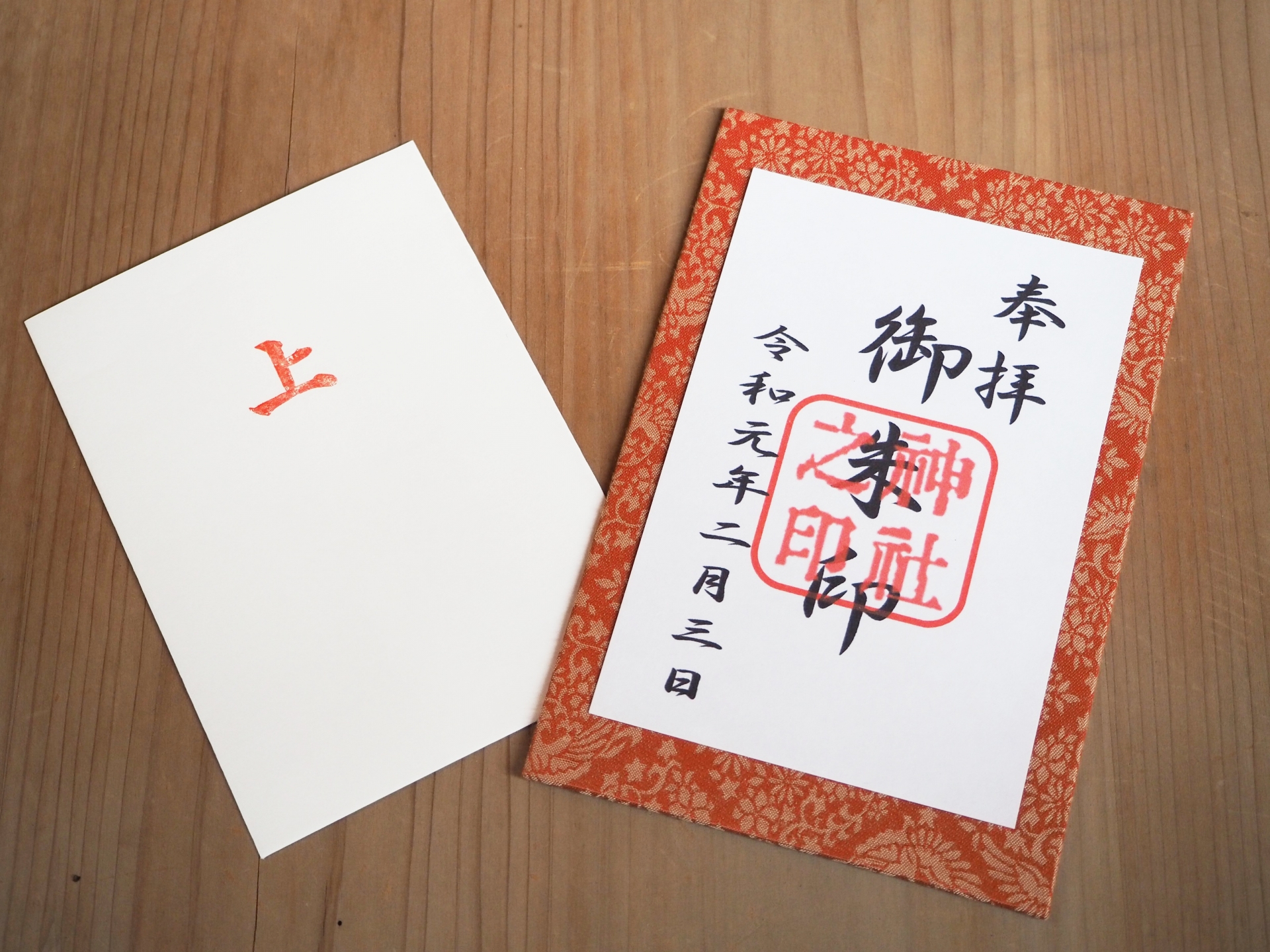
"Goshuin" are stamps given as proof of a visit to a shrine or temple. In recent years, attention has been focused not only on the goshuin themselves but also on the designs of the "goshuincho" (stamp books) used to collect them. In Kyoto, there are numerous shrines and temples that offer a wide variety of original goshuincho featuring unique designs, such as images of samurai, quintessential Kyoto scenery, and animal motifs.
In this article, we’ll introduce some charming goshuincho available in Kyoto, along with basic information about them.
Important Notice: The designs, color options, and prices of goshuincho (temple and shrine stamp books) are generally subject to change or replacement at the discretion of the respective temples and shrines, depending on the season. The designs shown here are based on information available at the time of writing, and they may no longer be available or may have changed by the time of your visit. Please be sure to check the official websites or social media accounts of each temple and shrine for the latest information.
Table of Contents
■What Are Goshuin and Goshuin Albums, Anyway?
■14 Recommended Goshuin Books in Kyoto
■Etiquette for Receiving Goshuin Stamps
■ Summary
■What Are Goshuin and Goshuin Albums, Anyway?
What is a "0 red seal"?
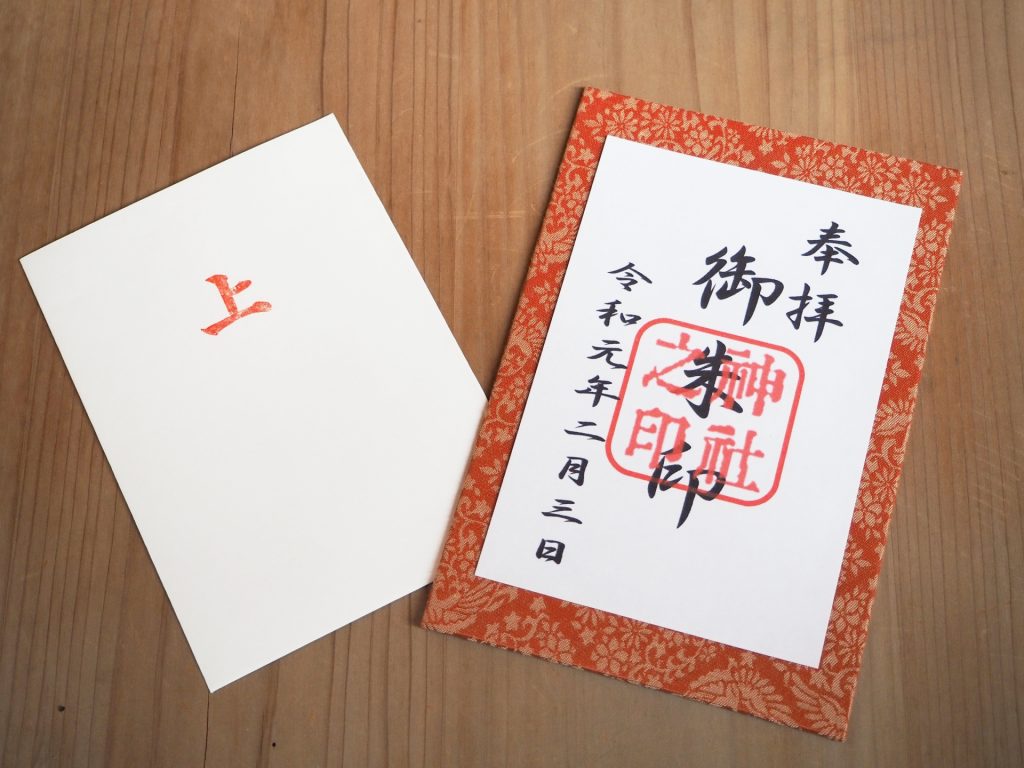
A goshuin is a stamped or handwritten certificate received as proof of a visit to a shrine or temple. It is believed to have originated as a certificate awarded upon the donation of a transcribed sutra, and today it is widely enjoyed by many people as a memento of their visit. The offering fee (hatsuhōryō or nōkyōryō) paid when receiving a goshuin varies by shrine or temple, but the general guideline is around 300 to 500 yen. In recent years, an increasing number of shrines and temples have switched to providing only pre-written goshuin (those written in advance on paper); therefore, if you prefer a handwritten goshuin, it’s best to check the official website or other sources in advance.
What is a red seal book?
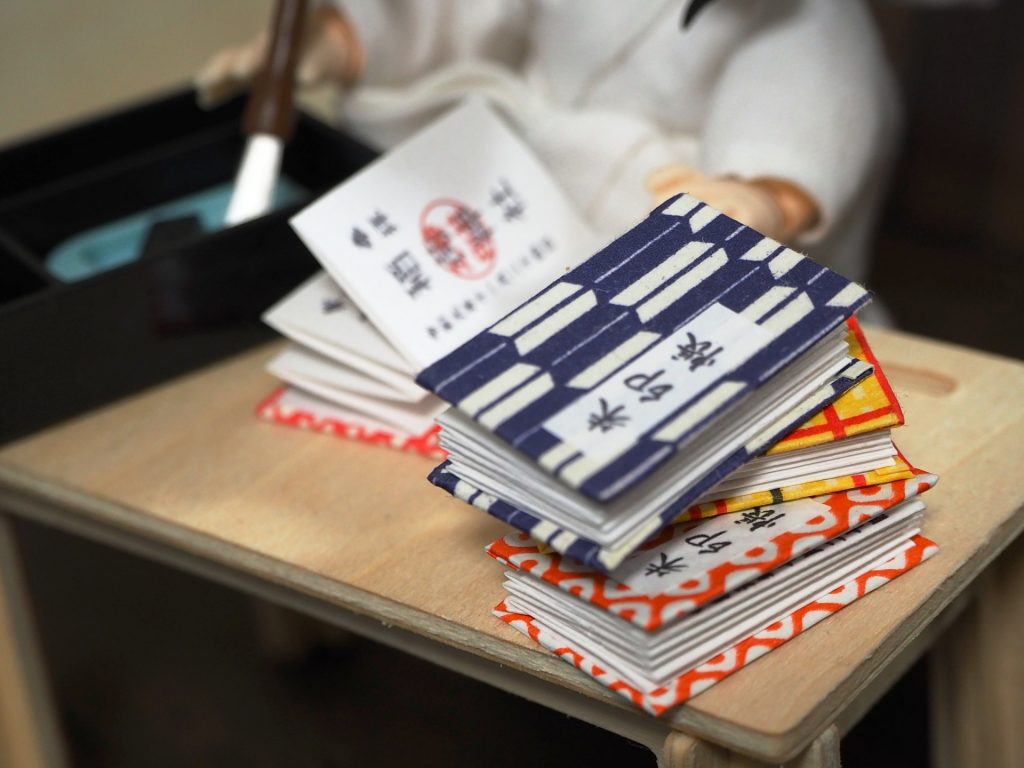
It is generally considered proper etiquette to have your goshuin stamped in a dedicated “goshuincho” (goshuin book). As it is considered a breach of etiquette to ask for a stamp in a notebook or notepad, be sure to bring a goshuincho with you. You can purchase them at bookstores, shrines, and temples; prices typically range from 1,000 to 2,500 yen, though some may cost more depending on the materials and craftsmanship.
■14 Recommended Goshuin Books in Kyoto
○Toji Temple
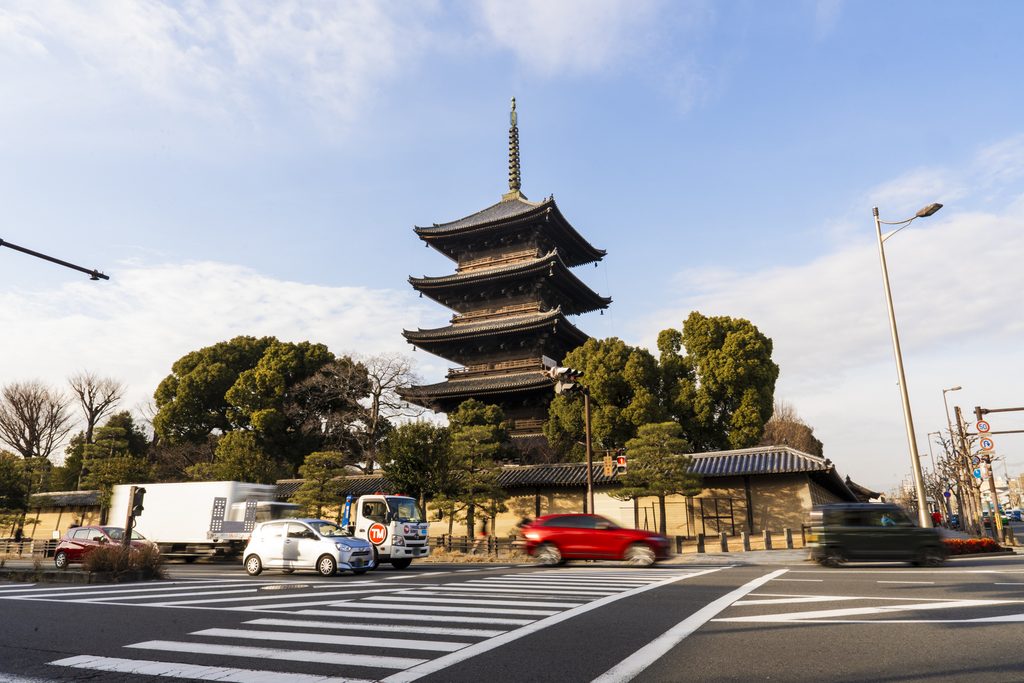
This temple is the only one where the ruins of Heian-kyō still remain; its official name is “Kyōō Gokoku-ji.” It is also designated as a UNESCO World Heritage Site. The five-story pagoda towering over the temple grounds is the tallest surviving wooden pagoda in Japan and attracts many tourists. The temple offers goshuincho with a variety of designs, including autumn foliage, cherry blossoms (pink and red), yellow, and turtles; the designs available may vary depending on the season or time of year.
- Address: 1 Kujo-cho, Minami-ku, Kyoto City
- Directions: About a 15-minute walk from JR "Kyoto Station"
- Official Website:https://toji.or.jp/
○ Eikando (Zenrin-ji)
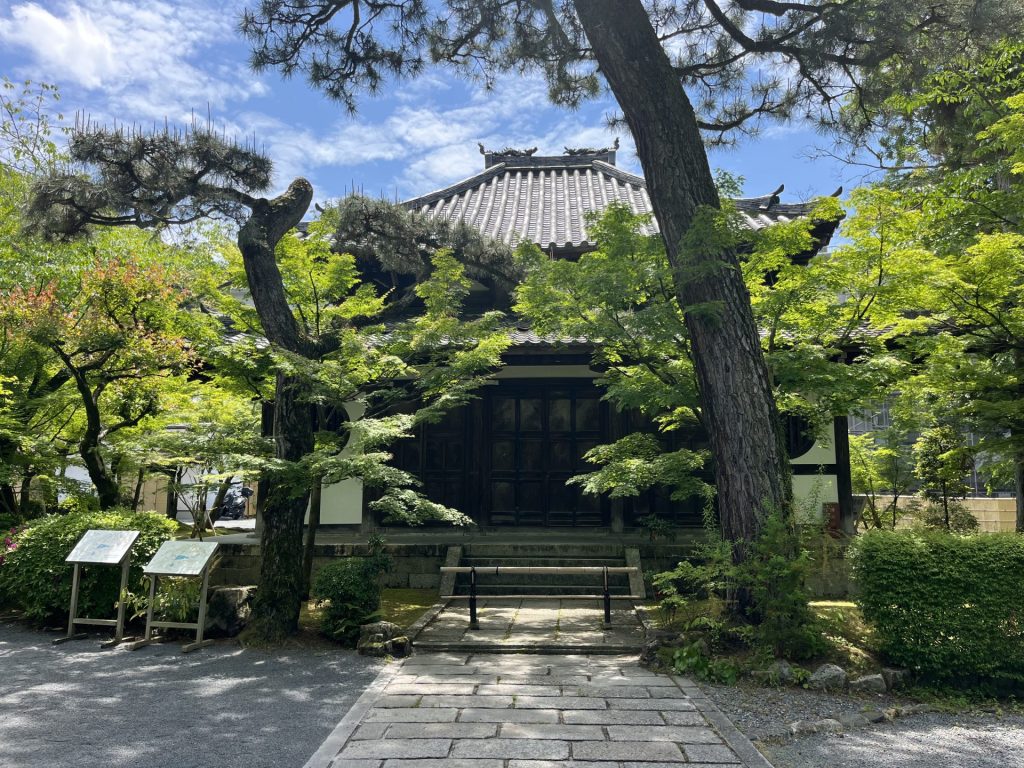
Its official name is “Zenrin-ji.” It is said to have been founded during the Heian period by Shinsho, a disciple of Kūkai, and is known as a famous spot for autumn foliage—so much so that it is often referred to as “Eikando of the Maple Trees.” The temple’s goshuincho, adorned with colorful maple leaves, are very popular.
- Address: 48 Eikando-mae-cho, Sakyo-ku, Kyoto City
- Directions: About a 15-minute walk from Keage Station on the Kyoto Municipal Subway Tozai Line
- Official Website:https://www.eikando.or.jp/
○Kitano Tenmangu Shrine
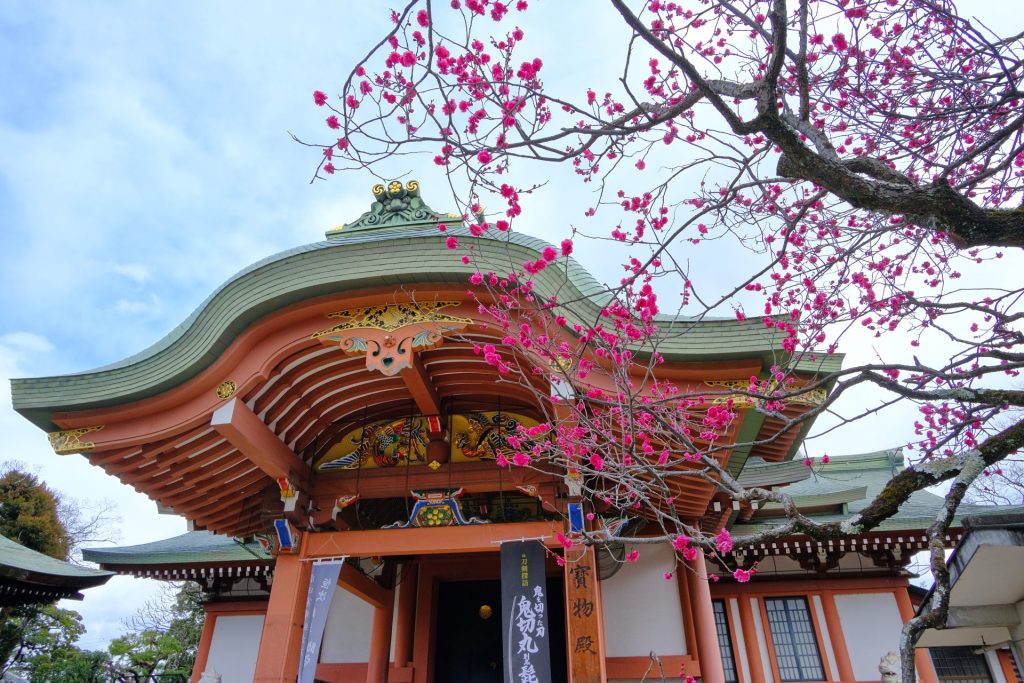
This is the head shrine of all Tenmangu shrines nationwide, dedicated to Sugawara no Michizane, the god of learning. The plum garden on the shrine grounds is bustling with visitors every year from late January through March. There is a variety of goshuincho available, including designs featuring plum blossoms and wooden covers inspired by the shrine’s treasured sword, “Onikiri-maru” (Higekiri).
- Address: Bakuro-cho, Kamigyo-ku, Kyoto City
- Directions: From JR "Kyoto Station," take City Bus routes 50 or 101 and get off at "Kitano Tenmangu-mae"; the shrine is right there.
- Official Website:https://kitanotenmangu.or.jp/
○ Uji Shrine
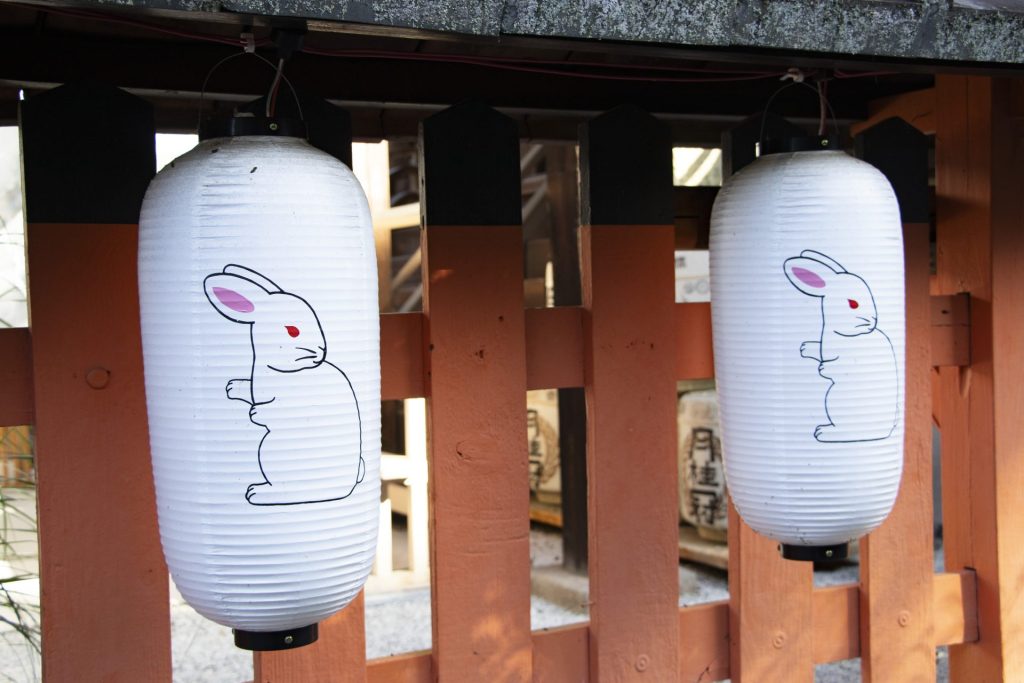
This shrine is located on the banks of the Uji River in the Uji area, which is also known as a site associated with *The Tale of Genji*. Uji has historically been written as “Uji” (菟道), and motifs of rabbits—believed to be the messengers of the gods—can be seen throughout the shrine grounds. There are also designs featuring rabbits in the shrine’s goshuin albums.
- Address: 1 Uji Yamada, Uji City, Kyoto, Japan
- Directions: About a 7-minute walk from "Uji Station" on the Keihan Uji Line
- Official Website:https://uji-jinja.com/
○ Shōan-in
This Jodo-shu temple is located in Sagano, Ukyo Ward, Kyoto City, and is also commonly known as “Satsuki-dera.” Its seasonal goshuin stamps and goshuin albums, featuring illustrations of expressive Jizō statues, have garnered attention and are frequently featured in magazines and on social media. Since goshuin are only available at specific times, it is essential to check the temple’s official social media accounts before visiting.
- Address: 22 Zenkojiyama-cho, Saga Nison-in Monzen, Ukyo-ku, Kyoto
- Phone: 075-871-3923
- Goshuin Reception: 1:00 PM–4:00 PM (except Mondays and Wednesdays; please confirm in advance)
- Directions: About a 10-minute walk from "Torokko Arashiyama Station" on the Sagano Scenic Railway
○ Byōdō-ji (Inaba-dō)
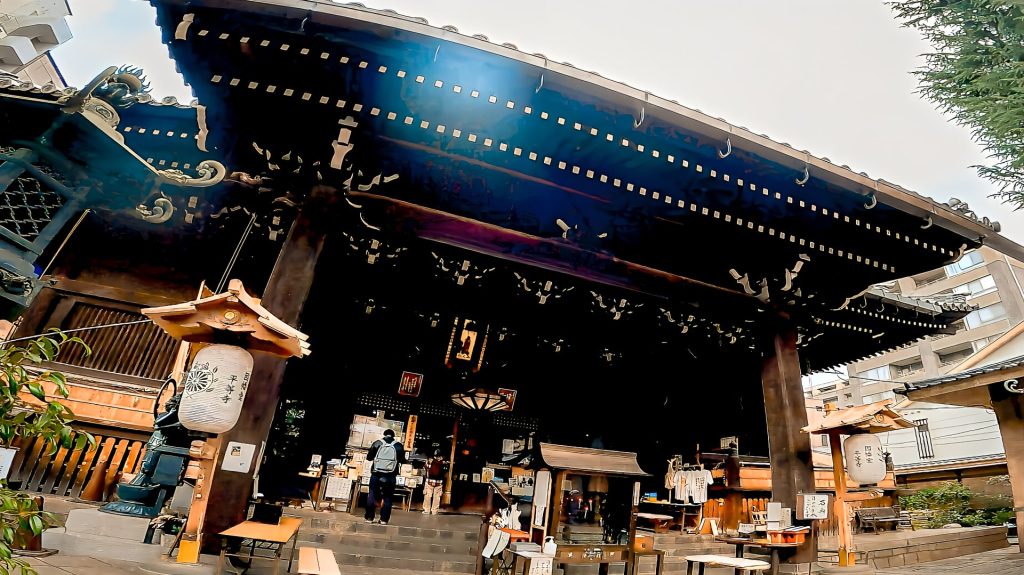
This ancient temple, affectionately known by the nickname “Inabado,” is officially named “Byodo-ji” (it is a different temple from the Byodo-in Temple in Uji City, a World Heritage Site). It is said to have been founded in the 5th year of the Chōhō era (1003) and is known for its blessings in warding off cancer and ensuring good health and peace. In recent years, due to the temple’s involvement in rescue efforts for cats and dogs, amulets and temple stamp books featuring cats, dogs, and birds (parakeets and Japanese white-eyes) have become popular, and limited-edition designs based on the Chinese zodiac are occasionally released.
- Address: 728, Inabando-cho, Shimogyo-ku, Kyoto City
- Directions: About a 5-minute walk from Gojo Station on the Kyoto Municipal Subway Karasuma Line
- Official Website:https://inabado.jp/
○ Saiin Kasuga Shrine
This shrine is included in the “Nishioji Seven Lucky Gods Pilgrimage” and is revered as a deity that wards off misfortune, based on the legend that it cured the illness of Princess Takako, a Heian-period imperial princess. Visitors are presented with a goshuincho featuring a simple design adorned with weeping wisteria and a white deer.
- Address: 61 Saiin Kasuga-cho, Ukyo-ku, Kyoto
- Directions: About a 4-minute walk from "Saion Station" on the Hankyu Kyoto Line
○ Adashino Nenbutsu-ji Temple
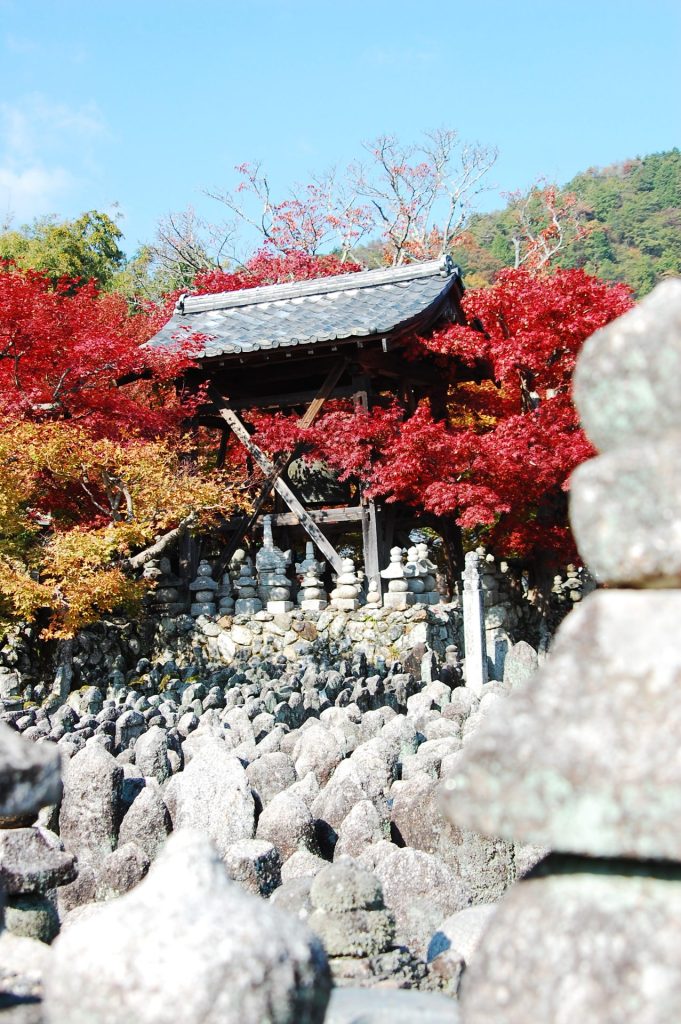
This temple is said to have been founded by Kobo Daishi Kukai and is known for “Nishi-in no Kawahara,” a collection of over 8,000 stone Buddha statues and stone pagodas dedicated to the unclaimed dead, enshrined within its grounds. The temple is characterized by a unique landscape where the natural beauty of the four seasons blends with the stone Buddha statues, and it offers seasonal goshuincho (stamp books) featuring motifs such as cherry blossoms, autumn foliage, and snowy scenery.
- Address: 17 Saga-Toriihon-Kakano-cho, Ukyo-ku, Kyoto City, Kyoto
- Directions: About a 30-minute walk from "Arashiyama Station" on the Keifuku Electric Railway (Randen), or about a 5-minute walk from the "Toriimoto" stop on the city bus.
- Official Website:https://www.nenbutsuji.jp/
○ Shimogamo Shrine (Kamo Myojin Shrine)
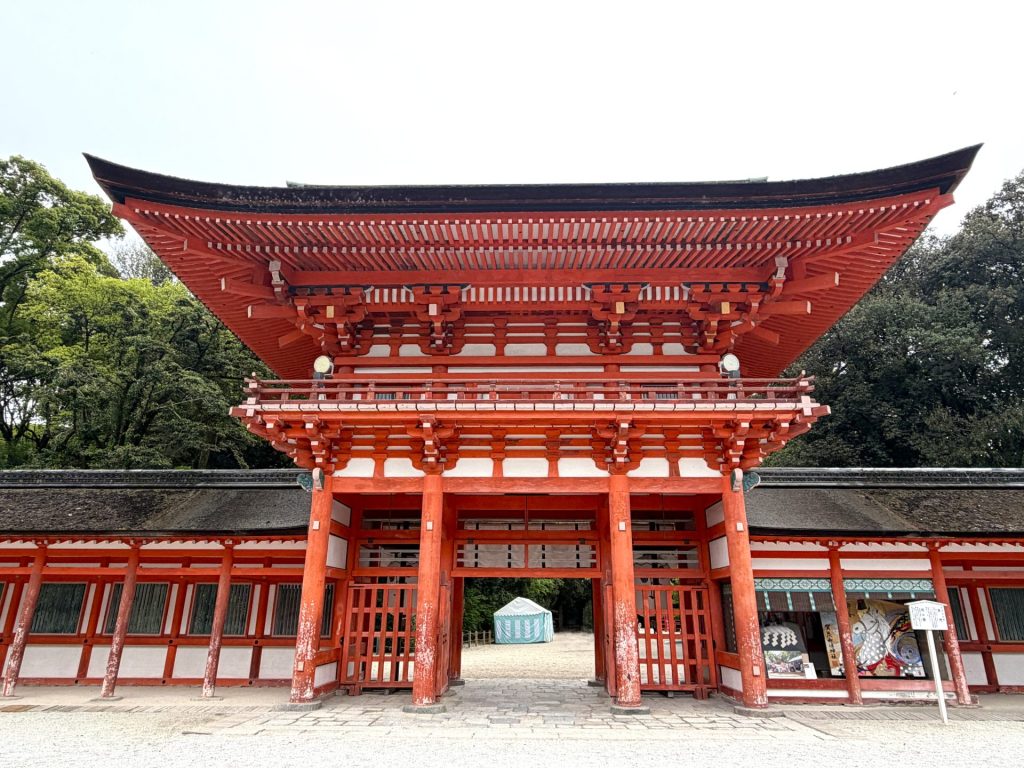
Its official name is “Kamiguso Shrine.” It is one of the component assets of the “Historic Monuments of Ancient Kyoto” World Cultural Heritage site and is also known as the birthplace of mitarashi dango. The shrine offers simple, elegant goshuincho (stamp books) adorned with its crest—the double-leaf hollyhock—as well as chrysanthemum and wisteria crests.
- Address: 59 Shimogamo-Izumigawa-cho, Sakyo-ku, Kyoto City
- Directions: Take City Bus Route 4 from JR "Kyoto Station" and get off at "Shimogamo Shrine-mae"; the destination is right there.
- Official Website:https://www.shimogamo-jinja.or.jp/
○ Ginkaku-ji (Jishō-ji)
Its official name is “Higashiyama Jishō-ji,” and it is one of the sub-temples of Shōkoku-ji. It is also listed as a UNESCO World Heritage Site. Goshuin albums featuring the design of the Silver Pavilion (Kannon-den)—embroidered with silver thread—are available in a variety of colors.
- Address: 2 Ginkakuji-cho, Sakyo-ku, Kyoto City
- Directions: Take City Bus Route 100 from JR "Kyoto Station" and get off at "Ginkakuji-mae"; the destination is right there.
- Official Website:https://www.shokoku-ji.jp/ginkakuji/
○Kozan Temple
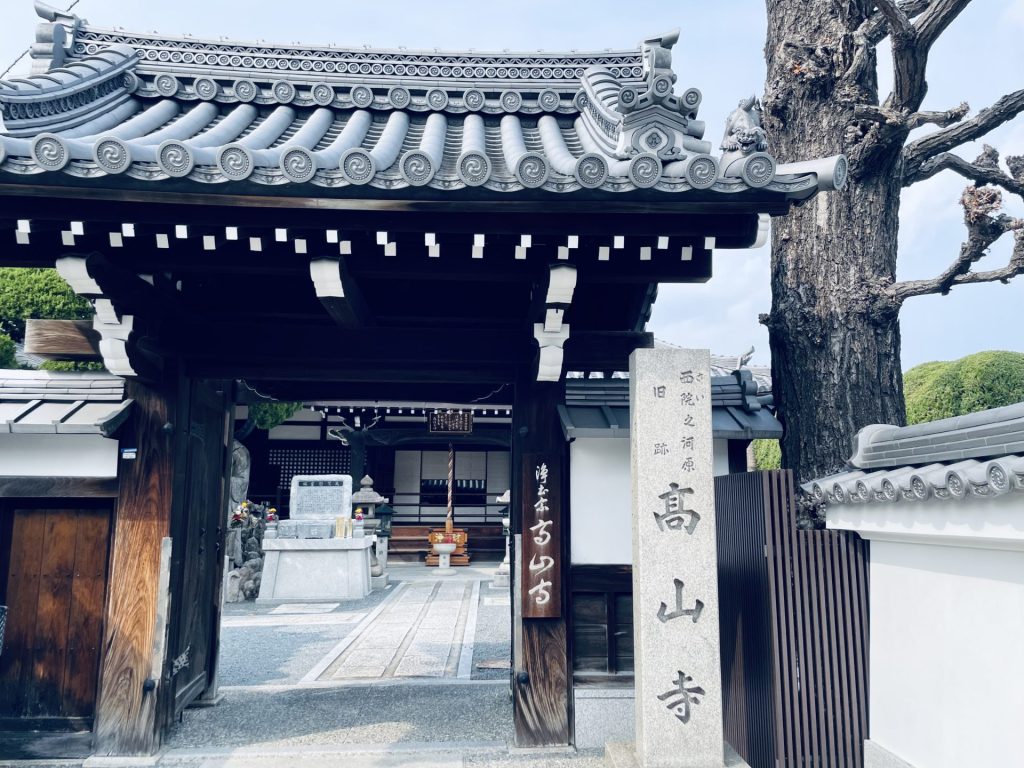
An ancient temple in Tsuga-o, Ukyo Ward, Kyoto City, listed as a UNESCO World Heritage Site. It is known for housing the National Treasure “Caricatures of Animals and People,” and its goshuincho (temple stamp books) feature designs depicting rabbits, monkeys, and frogs in the caricature style of the artwork.
- Address: 8 Umegahata Tsugao-cho, Ukyo-ku, Kyoto-shi, Kyoto
- Directions: Take the city bus (Takao/Keihoku Line) from JR "Kyoto Station" and get off at "Tsuganoo."
- Official Website:https://kosanji.com/
○ Imamiya Shrine
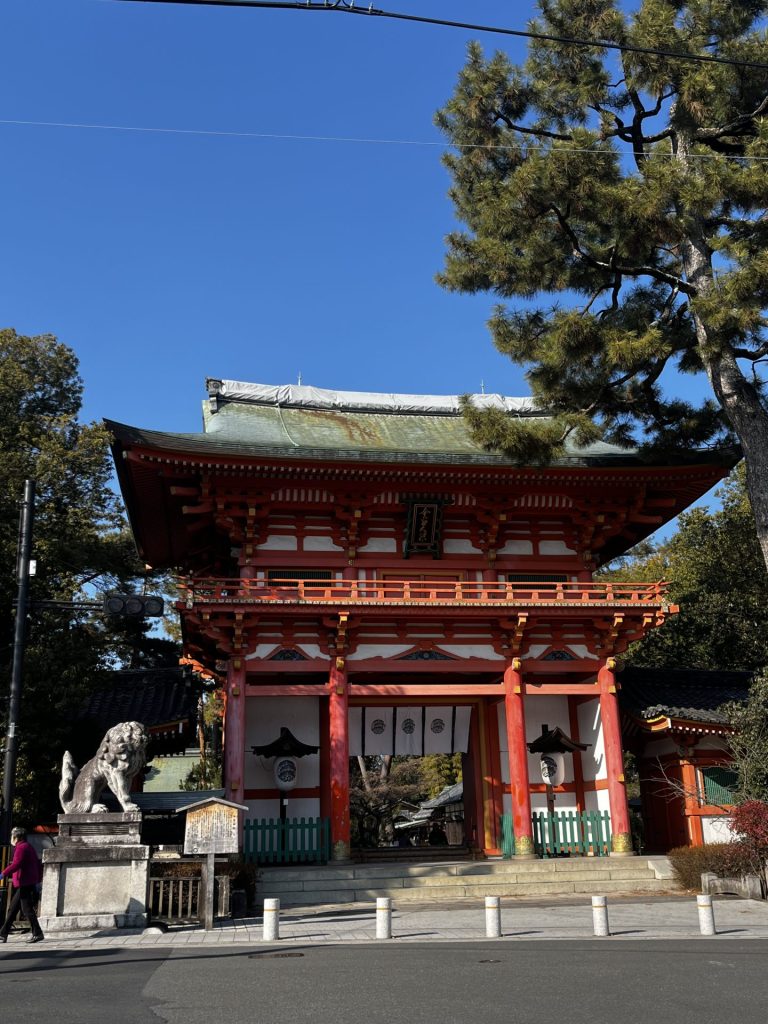
Also known as the “Tama no Kura Shrine,” this shrine is popular among young women for its reputation in granting wishes for good marriages and a life of luxury. In honor of Keishō-in—the birth mother of Tokugawa Tsunayoshi, the fifth shogun of the Edo Shogunate, and said to have been the daughter of a greengrocer—who devoted herself to the shrine’s restoration, visitors are presented with a goshuincho (shrine stamp book) adorned with embroidery depicting Kyoto vegetables such as eggplant, turnips, carrots, and shishito peppers.
- Address: 21, Shino Imamiya-cho, Kita-ku, Kyoto-shi, Kyoto
- Directions: From JR "Kyoto Station," take City Bus Route 46 and get off at "Imamiya Shrine Mae"; the shrine is right there.
- Official Website:https://imamiyajinja.org/
○ Zuishin-in Temple
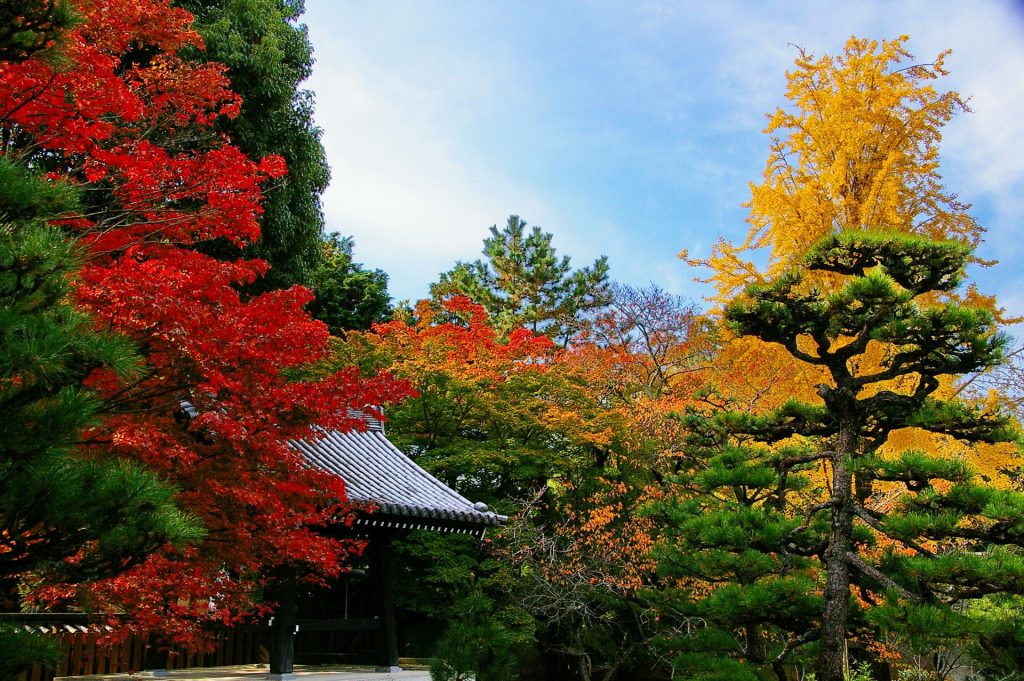
This temple is said to be where the Heian-period poet Ono no Komachi spent her final years. Visitors can receive a goshuincho (stamp book) featuring images of Ono no Komachi and her waka poems; the book’s cover, adorned with a delicate floral pattern, is particularly elegant.
- Address: 35 Ono-Goryo-cho, Yamashina-ku, Kyoto-shi, Kyoto
- Directions: About a 5-minute walk from "Ono Station" on the Kyoto Municipal Subway Tozai Line
- Official Website:https://www.zuishinin.or.jp/
○ Jissō-in
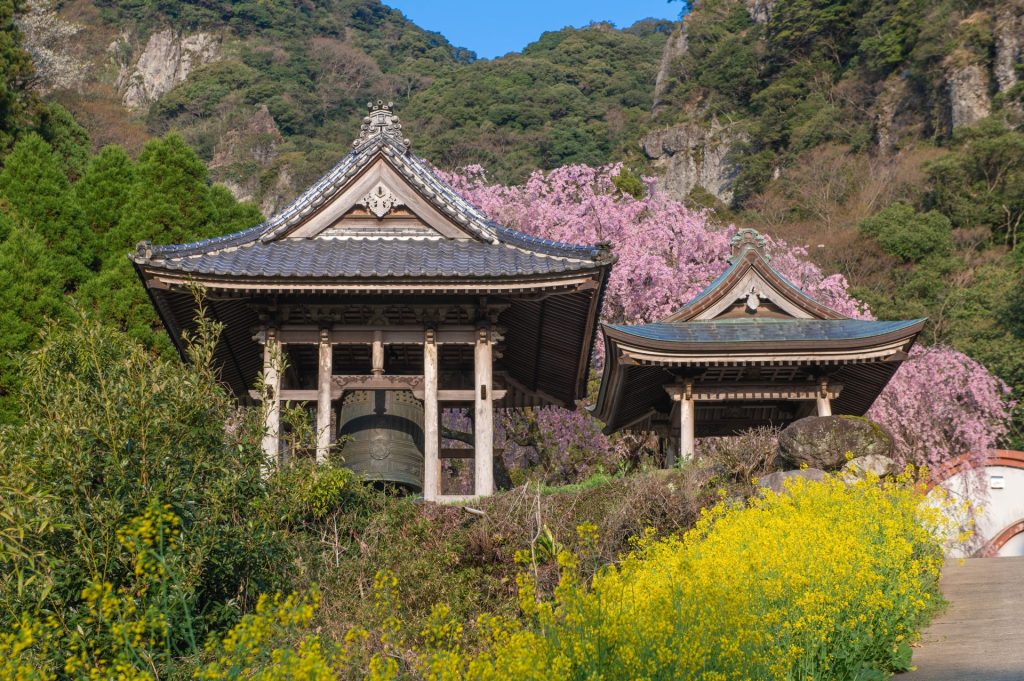
Located in Iwakura, this former imperial temple is known as a famous spot for “Tokoro Midori” (Tokoro Momiji). It is also revered for its blessings regarding recovery from illness, fertility, and finding a good marriage partner, and visitors are presented with traditional Japanese-bound goshuincho (stamp books) featuring a playful arrangement of chrysanthemum patterns in shades of pink, purple, and orange.
- Address: 121 Iwakura Kamizoumachi, Sakyo-ku, Kyoto-shi, Kyoto
- Directions: From "Kokusaikaikan-mae Station" on the Kyoto Municipal Subway Karasuma Line, take the Kyoto Bus No. 24 and get off at "Iwakura Jissō-in."
- Official Website:https://jissoin.com/
○ Oharano Shrine
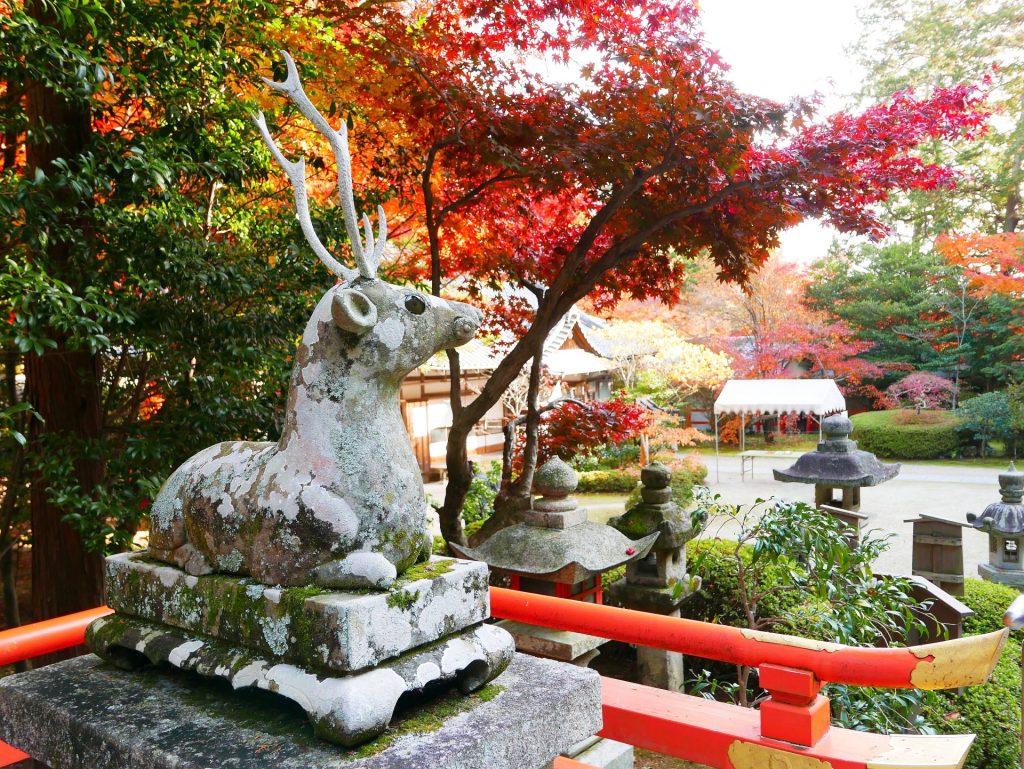
A branch shrine of Kasuga Taisha in Nara, this shrine is also known for regarding deer as divine messengers. It is a popular spot for viewing green maple leaves and autumn foliage, and visitors can receive a goshuincho (shrine stamp book) featuring the red and white deer—the divine messengers—and autumn foliage.
- Address: 1152 Minamikasuga-cho, Oharano, Nishikyo-ku, Kyoto-shi, Kyoto
- Directions: Take the Kyoto City Bus and get off at "Minami-Kasuga-cho"; it's about an 8-minute walk from there.
■Etiquette for Receiving Goshuin Stamps
A goshuin is a certificate given as proof of your visit to a shrine. Please keep the following etiquette in mind.
- Before asking for an entry in your goshuincho, be sure to complete your visit to the shrine first.
- Since goshuin are generally handwritten by Shinto priests and Buddhist monks, please make your request using polite language.
- Please understand that during busy times, we may only be able to leave a note, and you may not be able to choose the type of item.
- Since the hours for receiving goshuin vary by temple and shrine, be sure to check in advance.
- Rather than focusing solely on “collecting” items as if it were a stamp rally, we value the spirit of paying respects.
summary
A goshuincho is not only a way to keep a record of your visits to shrines and temples, but also a cherished keepsake of your trip to Kyoto. From classic tourist attractions to lesser-known shrines and temples featuring popular animal motifs, Kyoto offers a wide variety of unique goshuincho.
Since designs and prices are subject to change, if you have a specific goshuincho in mind, we recommend checking the official website or social media for the latest information before you go. We hope you find one you love and enjoy exploring Kyoto’s temples and shrines.


Related PostRelated Articles
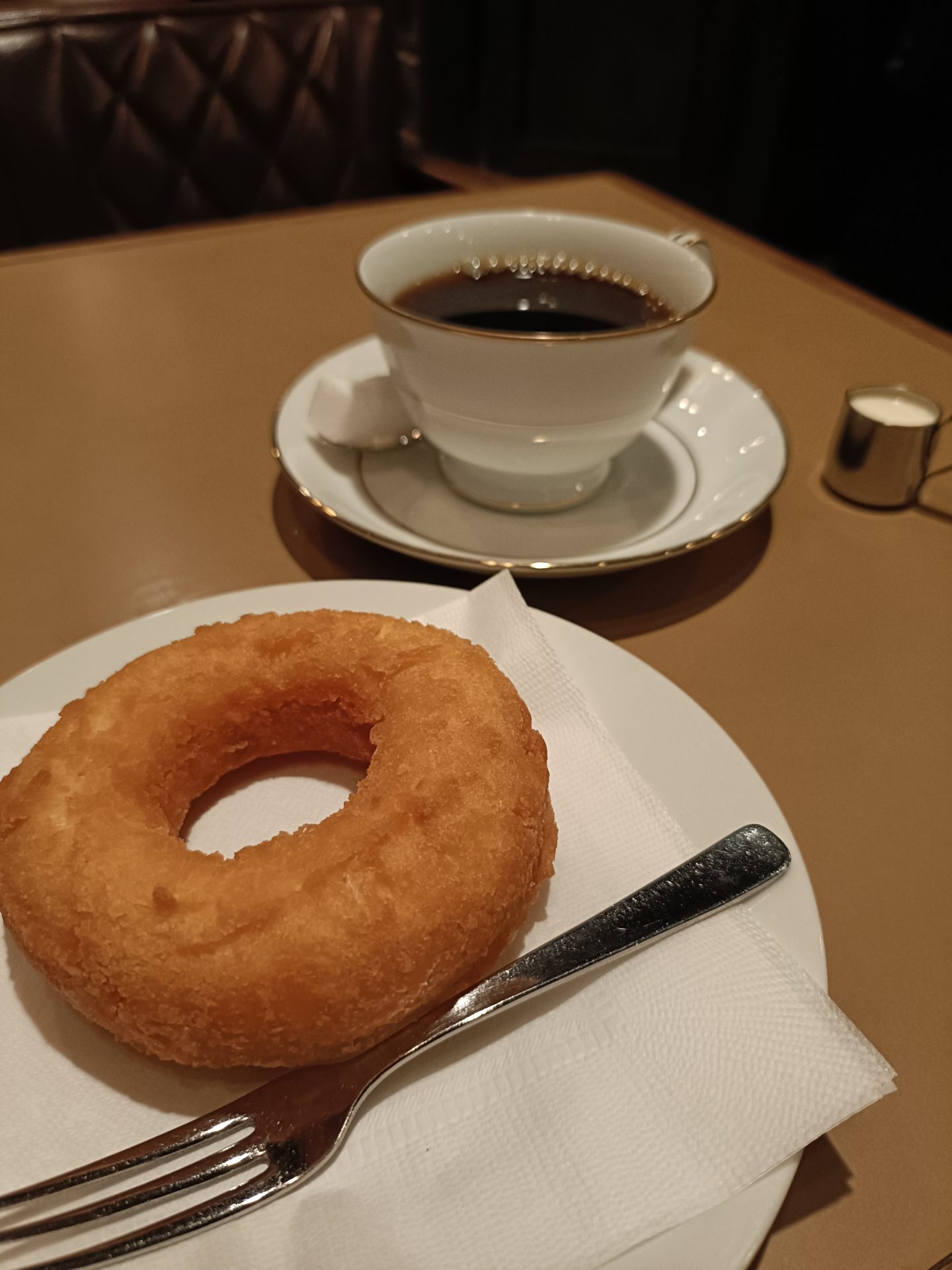
If you're going all the way, visit a place that will leave you with lasting memories! 7 Retro Cafés in Kyoto
Recently, retro-style coffee shops that make you feel as if you’ve slipped back in time to the Showa era have been attracting a lot of attention. With their vibrant colors […]

The obanzai at "Gyaatei" in Arashiyama, Kyoto, is wonderful! What is the Gyaatei Set Meal?
What places did you visit while sightseeing in Arashiyama, Kyoto? Arashiyama has several attractions, such as the Hozu River boat ride, the Torokko Train, the Bamboo Grove Path, and the Togetsukyo Bridge […]
The parfaits at FUKUNAGA901 are so cute! If you're looking for exquisite sweets at Kyoto Station, this is the place to go!
Are you familiar with “FUKUNAGA901,” a shop that’s been trending on social media platforms like Instagram and YouTube […]
Ito Kyuemon’s Matcha Parfait Ice Pop Is a Social Media Hit! What Kind of Japanese-Style Ice Cream Is It?
Have any of you ever tried the popular “Ito Kyuemon Parfait” at a café in Uji, Kyoto? That popular […]
Enjoy a cup of coffee in the retro atmosphere of “Kaze to Coffee” in Kyoto’s Kamigyo Ward… Are the accompanying sweets tempting?
There are many tourist spots in Kyoto, but perhaps some of you would like to take a break from the bustling atmosphere from time to time […]